by Joseph Shieber

In his (1930) essay “Economic Possibilities for our Grandchildren,” John Maynard Keynes suggests that the stage has been set to alleviate the threat of material uncertainty for large portions of the world population. “The course of affairs will simply be,” Keynes writes, “that there will be ever larger and larger classes and groups of people from whom problems of economic necessity have been practically removed.”
The reasons Keynes cites for this blissful state are twofold: “the power of compound interest” and “technical improvements in manufacture and transport.” Keynes writes “Economic Possibilities” recognizing that his readers will likely see his prognostication of future material comforts for all (or most) as bordering on fantasy. For Keynes, however, the more bewildering fact seems not the explosion of growth that occurred beginning in the second half of the 19th century, but rather the LACK of growth that preceded that period.
“From the earliest times of which we have record,” Keynes notes, “back, say, to two thousand years before Christ – down to the beginning of the eighteenth century, there was no very great change in the standard of life of the average man living in the civilised centres of the earth. Ups and downs certainly. Visitations of plague, famine, and war. Golden intervals. But no progressive, violent change. Some periods perhaps. So 1 per cent better than others – at the utmost 1.00 per cent better – in the four thousand years which ended (say) in A. D. 1700.” Keynes continues with the observation that the “absence of important technical inventions between the prehistoric age and comparatively modern times is truly remarkable. Read more »
 The only thing worse than a good argument contrary to a conviction you hold is a bad argument in its favor. Overcoming a good argument can strengthen your position, while failing to may prompt you to reevaluate it. In either case, you’ve learned something—if perhaps at the expense of a cherished belief.

 In connection with our research and meetings in the MacArthur network we did a considerable amount of international travel. Let me now turn to a whole series of my travel-related stories, some in connection with this network but mostly outside it and in different periods of my itinerant life.

 As forced migration in the wake of war and climate change continues, and various administrations attempt to additionally restrict the movement of people while further “freeing” the flow of capital, national borders, nativism, and a sense of cultural rootedness have re-emerged as acceptable topics in a globalized order that had until recently believed itself post-national. In the German-speaking world, where refugees have been met with varying degrees of enthusiasm depending on their provenance, national pride, long taboo following the Second World War, at least in Germany, is enjoying a comeback. As the last generation of perpetrators and victims dies and a newly self-confident, unproblematically nationalist generation comes to consciousness, it is again becoming possible to use a romantic, symbolically charged term like Heimat.
 Sughra Raza. Don’t Step On The Jewels, 2014.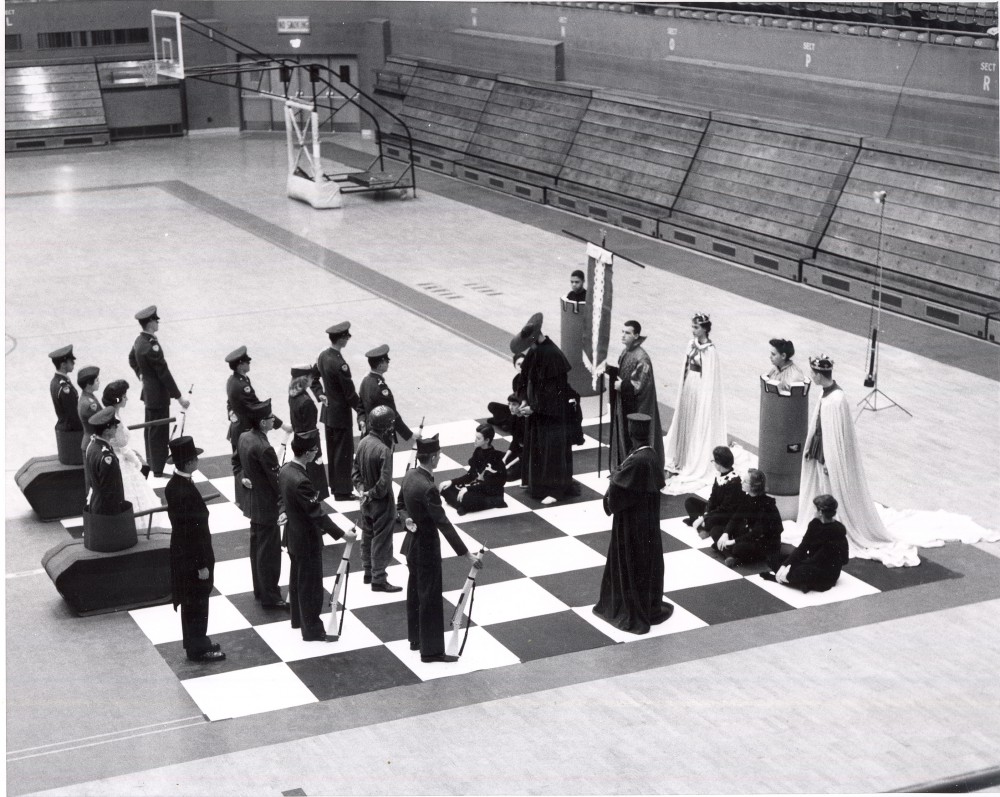
 technology will somehow amplify itself into a superintelligence and proceed to eliminate the human race, either inadvertently – as a side effect of some other project, such as creating paper clips (a standard example), or deliberately.

 About eight years ago, I was in downtown Manhattan and went into a Warby Parker store, an eyewear retailer. I didn’t post anything on social media about it, but I did have location services enabled on Facebook. Later that day, Facebook started showing me ads for eyewear (something it had never done before.) How and why it did that wasn’t a giant leap of understanding, and I immediately turned location services off for Facebook. But of course, this was sticking one thumb in the crumbling dam that is my data privacy. I own an Alexa, and I have an iPhone, an Apple watch, and an iPad. And that’s just for starters. I use Google all day long, subscribe to multiple online publications, use Amazon regularly, have used Instacart in the past, and the list goes on.