by Usha Alexander
[This is the nineteenth (and last) in a series of essays, On Climate Truth and Fiction, in which I raise questions about environmental distress, the human experience, and storytelling. All the articles in this series can be read here.]
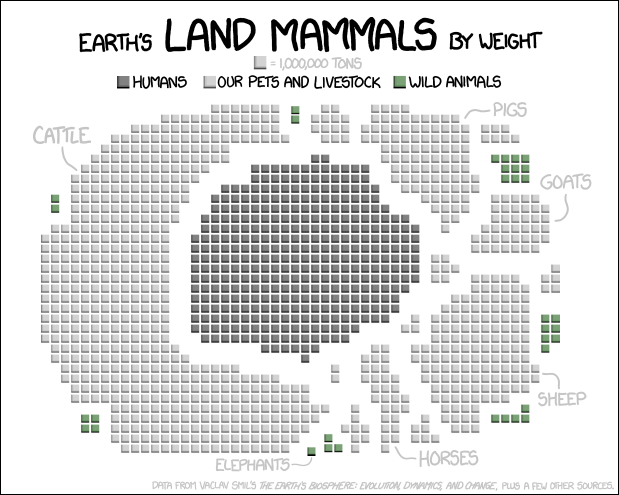 No, it’s not your imagination, this feeling that we are entering a time of escalating crises brought by Nature: more frequent and severe storms, floods, and forest fires; more debilitating heat-waves; mounting crop losses and failures; rising water stress, hunger, and related conflicts; unrelenting pest and disease threats for us, our “livestock,” and our crops. Our planet is moving beyond the stability of the Holocene—the narrow climatic range that enabled our modern civilization—to enter a much harsher climate regime, and its effects are starting to engulf us. Today, these effects are being felt much more by some than others, with weather related disasters primarily responsible for having forcibly displaced more than one percent of humanity from their homes by the middle of 2021—already an unprecedented human calamity. Ten times that number—eight-hundred and eighty million people—now lack sufficient food to eat, an increase of over a hundred-million hungry souls compared to two years ago.
And if you worry that it might get worse, the answer is a hard yes: under the best-case scenarios, it will get much worse—and at a faster rate. This is according to the most comprehensive assessment of climate-change impacts compiled to date, part two of the IPCC’s Sixth Assessment Report by Working Group II, released in March 2022. The report projects, for instance, that in Africa alone half the population—seven-hundred million people—may be displaced due to water stress by 2030. Earlier forecasts cited by UN agencies that a billion people could be desperately displaced by 2050 do not seem improbable.
But I get it. This isn’t how we’re supposed to talk about the future. I too grew up imbibing and propagating the common technotopian fantasies of the late-20th Century zeitgeist, of a belief in humanity’s manifest destiny of multi-planetary spread and dominion. I imagined I might live to see people permanently inhabiting distant space stations or launching forays to colonize and terraform Mars. Though I’d always been aware that the non-human world around me was being annihilated, I squashed my intuitive fear about that growing danger with my learned techno-optimism about the future. Like most people of my time and place, I just didn’t put the pieces of the puzzle together. Not until very recently, that is. Not until I began truly digging in and trying to understand climate change. Read more »
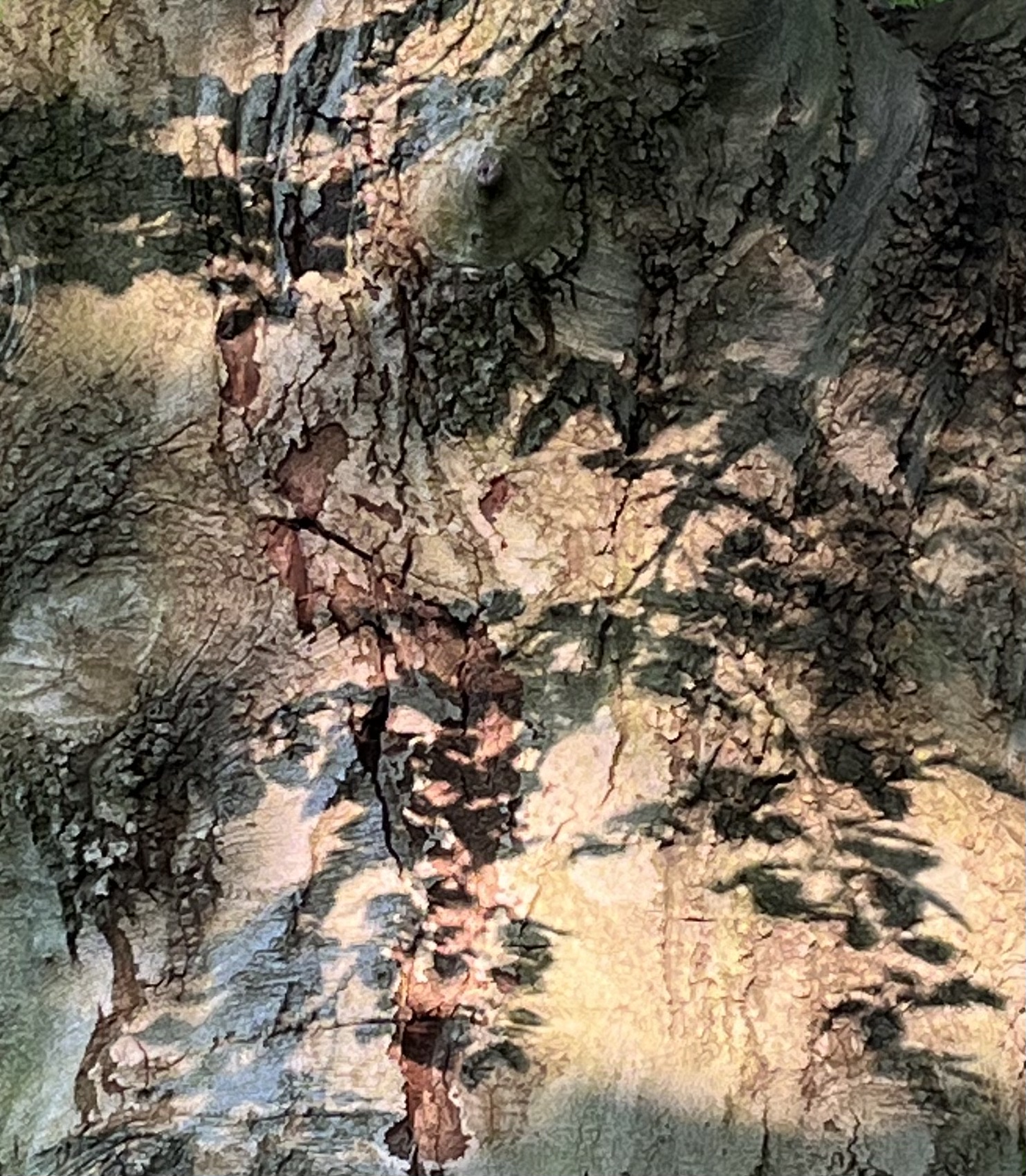 Sughra Raza. Shadows on Beech Trunk, May 21, 2022.
 Not
Not 
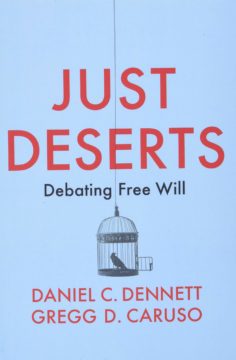 “The constant direct mode of address was a chore. No one will enjoy having this read to them.” Quoting from a referee report on the Nicomachean Ethics misses the point of James Warren’s hilarious

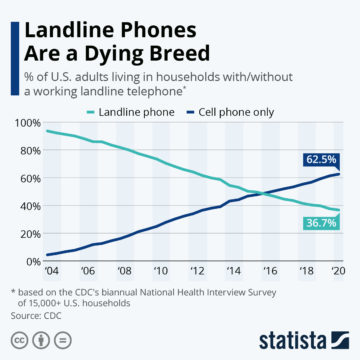
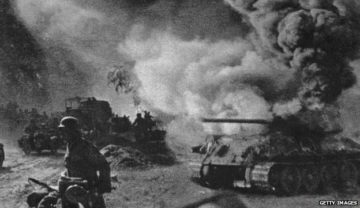 Lanchester’s square law was formulated during World War I and has been taught in the military ever since. It is marginally relevant to the war in Ukraine, particularly the balance between the quantity and quality of the two armies’ weapon systems.
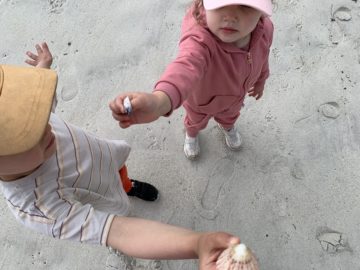 I regret not having children younger. Like, much younger. I was thirty-six when my first child, now four, was born; thirty-eight when my second was born. I wish I had done it when I was in my early twenties. This is an unpopular perspective. I know this because when I’ve raised this feeling with friends, many of whom had children similarly late in life, I’ve been met with a strong resistance. It’s not just that they don’t share my feelings, that their experience of having children later in life is different to mine, it’s that they somehow mind me feeling the way that I do. They think that I am wrong – mistaken – to feel this way. It upsets them.
 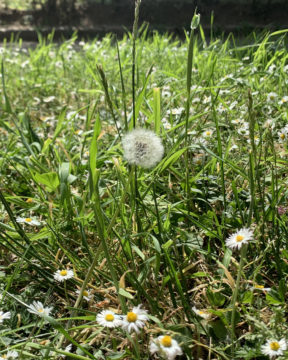 The dandelion is thousands of miles from home. It has been in America learning about the world beyond and perhaps it wants to return. It has lived thousands of sad lives. Finally after 300 years, a seed clings to an old man’s jacket as he boards a plane, and happens to land in a small patch of dirt right by the Charles de Gaulle airport; the dandelion is welcomed home graciously, and they share the stories of what has happened in its absence. They notice little differences to him. He has mutated slightly; the increased sun in America has made his petals more yellow; the lawn mowers have made him shorter; the pesticides have made him stronger. They don’t talk to him about the sun or the lawn mowers or the pesticides, though. They talk about their shared home in France.