by Shadab Zeest Hashmi
 Dear Peridot Child,
Cupped by mountains, you are thirty-two-something degrees North in latitude. You are of raw seasons, placed as a story within a story, a fledgeling in the rorschach nest of the imagination, the wordy part of the planet wound around your ears. You are your own battlefield, fired up to fifty degrees Celsius then doused by torrents of Monsoon rains. You are chrysalis and oak, simmer and lull. In 1947 you are coming to a world of wars.
Grains of dust in a new country are upturned mirrors. You are one, you are many: Thirty two million on the day of your birth.
You washed up alone, wishing for a desk with empty drawers, a green gem on your finger.
The Peridot is the gem of youthfulness
and wisdom
Khizer, the saint of lost travelers appears here: by this roadside, in this market, on the balcony of this mosque. This means everywhere. He has an ancient white beard and youthful eyes. His robe is green. The city of your birth opens to thirteen gates, of which one is named after Khizer. Doves peck at prayer beads, broken and rolling across the threshold.
Peridot ranges from a springtime
yellow green to a warm olive green.
There are ledgers under the yellow-green mustard fields. Names float to their owners and hang around their necks. There are tunnels that muralists paint, and underneath, a map of sacrifice.
The ancients believed that peridot can
inhibit enchantments,
At your birth the earth is a chessboard.
The peridot protects the wearer
from evil spirits
We are bricks on a sheer veil. By nightfall, the mirrors dissolve into a phoneme large enough to hold the day’s garden, its smallest tendril and dot.
It glows in the dark.

 I met Kseniia during my second visit to Ukraine, in June 2023. The moment I met her, I knew that this thirty-four-year-old woman is a special one. Kseniia belongs to the type of women who made Molotov cocktails to help defend Kyiv in March 2022. “I had some romantic idea to create these Molotov cocktails, because I heard that it might come to urban warfare, and I wanted to help. We spent a whole day making them, but the smell of petrol was awful.” Nevertheless, Kseniia made several boxes.
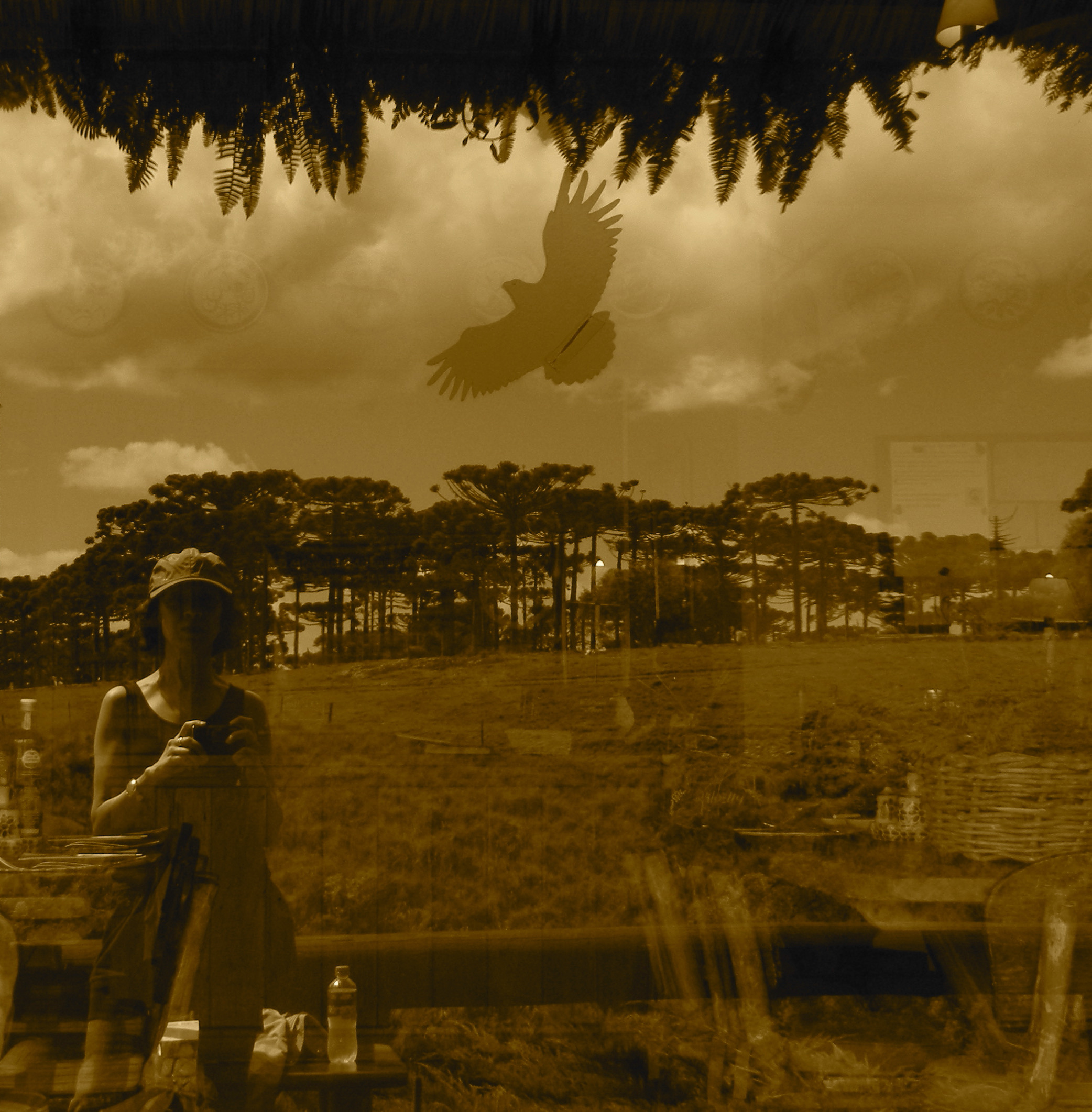 Sughra Raza. Self-portrait at Itaimbezinho Canyon, Brazil, March 2014.

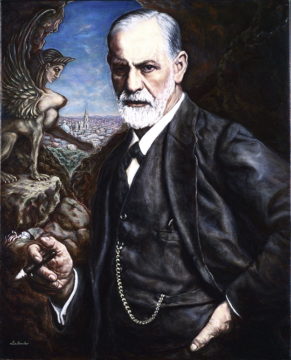
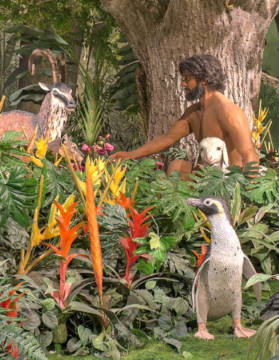 I picture the LORD God as a child psychologist—very much of a type, vaguely professorial, plucked from the ’50s. Picture him with me: shorn and horn-rimmed, his fingernails immaculate, he’s on his way to a morning appointment. As he kneels in the garden to tie his shoe, his starched white shirtfront strains against his gut.
 The first