
by Scared Ignoramus Fellowship Leader Akim Reinhardt
 You don’t have to fuck me. Or give me any money. You don’t have to shave your head or adopt a peculiar diet or wear an ugly smock or come live in my compound among fellow cult members. You don’t even have to believe in anything.
Actually, that last bit’s the key: don’t believe in anything.
Do you believe in anything? If so, stop.
My Church of Sacred Ignorance implores followers to embrace their dunderheadedness. You don’t know shit. Neither do I. Let’s stop pretending.
Yes, we all know some basic facts. Sun go up, sun go down. Ice is cold, fire is hot. Chocolate makes you happy (unless you’re one of those people). But the rest of it? Mostly make believe. And it’s time to face up to it. Let us come together in our dumbness and sit quietly beneath the stars, waiting for big cats to eat us. Through such acts of honesty and modesty will we find salvation . . . which doesn’t actually exist, but maybe we’ll trick ourselves.
But I don’t wanna be pushy. I understand that choosing to join a cult is a Big Decision. You probably have some questions. It’d be weird if you didn’t, even if we accept that you won’t understand the answers, and that the questions themselves are largely random, inadequate expressions of anxiety and confusion. Nonetheless, I’ve prepared the following FAQ to help ease your towards your destiny.
How much will this cost?
There are many ways to answer that question, most of them Socratic. For example, once you stop believing in money, what will you do with yours? Will you give it all away? Will you destroy it? Will you smother it in gravy and eat it? Will you hand it out to those poor schlubs who still believe in it? Will you gather it up in a big pile and stare at it, wondering why you ever cared?
Does truth have a cost?
Or I could just say $49.95 + tax if that sounds better. Read more »
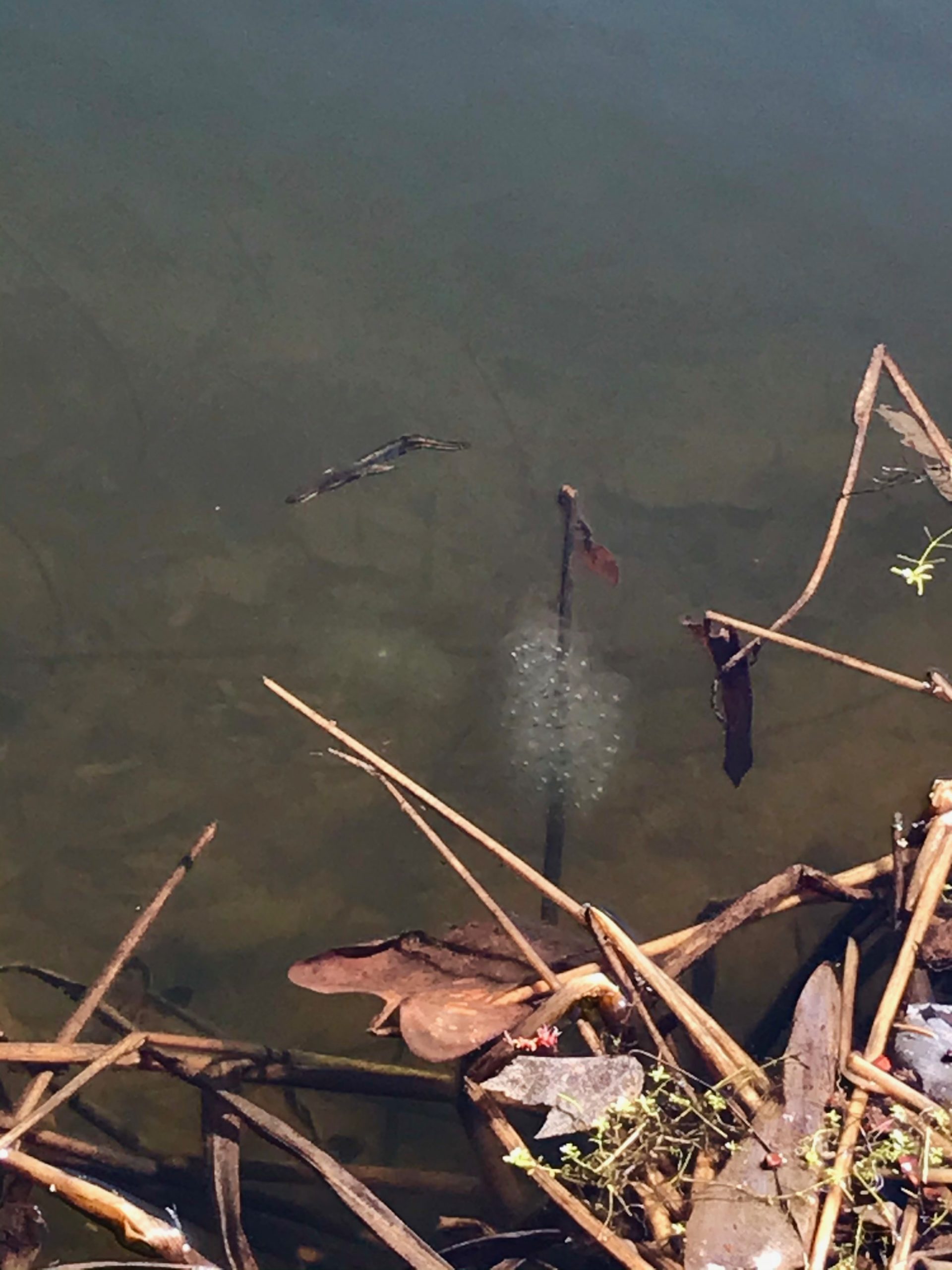 Sughra Raza. At Totem Farm, April 2021.


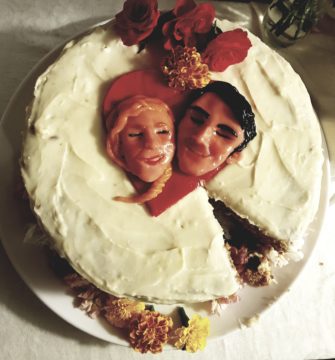



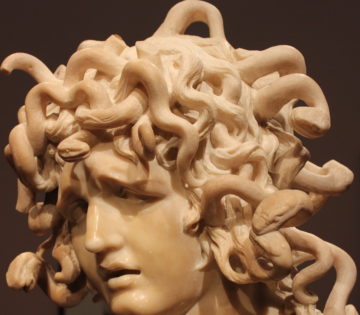
 Sughra Raza. Shredder Self-portrait, NYC, August 2023.


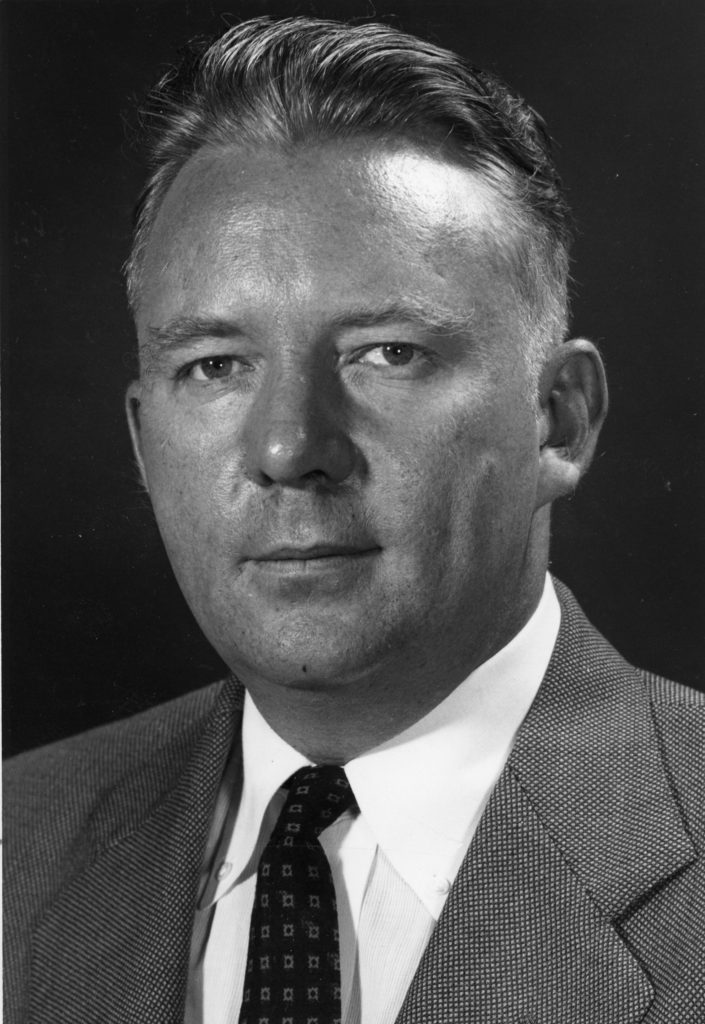
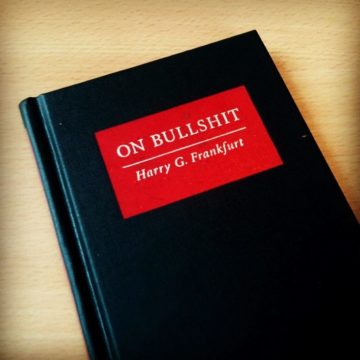 Harry Frankfurt, who died of congestive heart failure this July, was a rare academic philosopher whose work managed to shape popular discourse. During the Trump years, his explication of bullshit became a much used lens through which to view Trump’s post-truth political rhetoric, eventually becoming deeply associated with liberal politics.