by Angela Starita
New York magazine published a story about two sisters who decide to leave civilization and try surviving in the outdoors of Colorado. One has a 14-year-old son, and she brings him too. In fact, much of her motivation appears to be protecting him from dangers she perceives, existing ones and more she believes to be just on the horizon. The writer doesn’t know many of the specifics of those fears, but from text messages, she gleans that the mother, Rebecca Vance, believed that the world was on the verge of collapse and wanted to escape the ensuing survivalist brutality. Instead, the three died of malnutrition and hypothermia probably within two months of going “off grid.” In short, in trying to outrun anticipated violence, they instead faced a grueling, attenuated death.
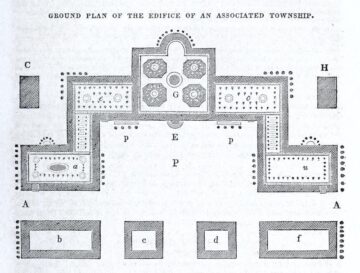
People quoted in the article attest to the sisters’ clear lack of familiarity with the backwoods camping let alone how to build a shelter, gather or grow sufficient food, generate heat, and all the other essentials to assure long-term survival. That aside, though, the sisters were acting out a typical response to their fear of the encroaching demands of the modern world. In their own panicked, inept way, the sisters were part of a long tradition of runaways looking to escape or reconfigure the rules of society as they understood them. It’s a familiar list—New Harmony, Oneida, the Shakers, even Jonestown—born of a familiar impulse: to start over and this time get it right. Read more »

 I recently binge-watched all of
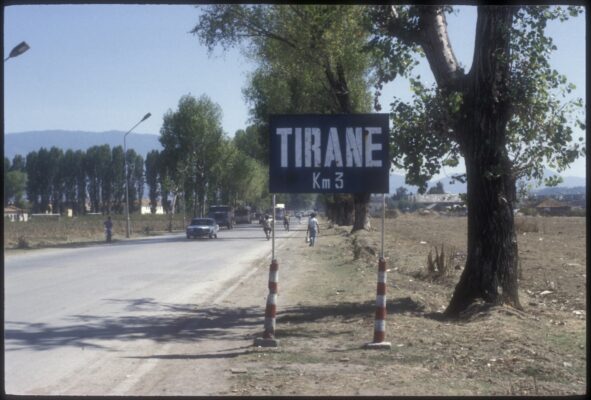 The Balkans isn’t everybody’s first choice for summer holiday, but that’s where we’re headed this year. First we’re flying to Chișinău, while we still can, and I don’t mean to be flip. Forgive my wavering confidence in Western guarantors of freedom, democracy and territorial integrity.

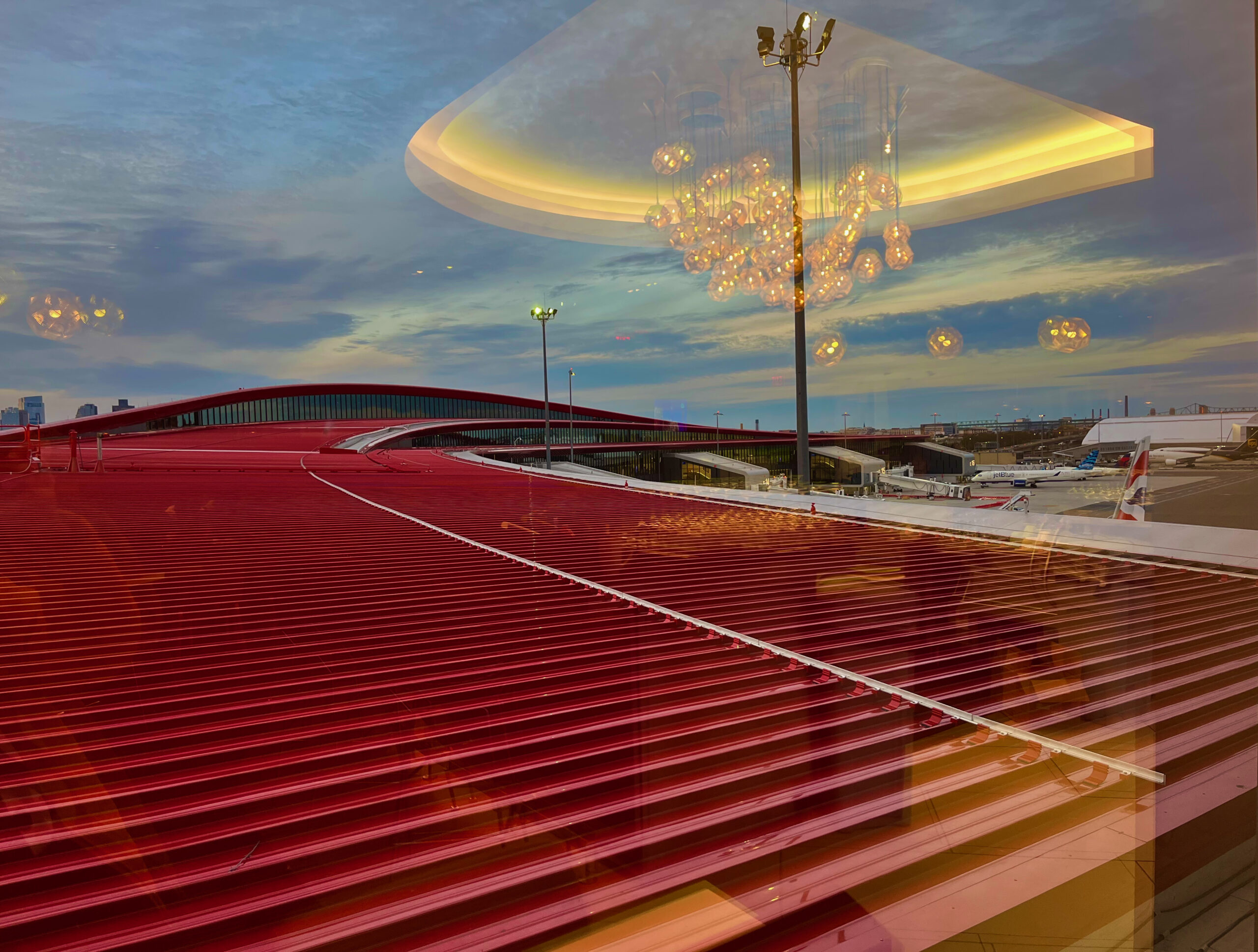 Sughra Raza. New Wing. November 2023


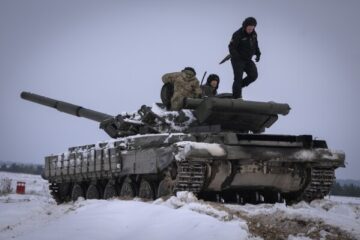 In September 2022, Fiona Hill claimed that with the war in Ukraine, World War III had begun. The statements of the American expert on Russia were clear: World War I and World War II should not be regarded as static and singular moments in history. Even though they were separated by a peaceful period, the latter is part of a whole process leading from one World War to the next. The peaceful period following the Cold War would then be comparable to the interwar period in the 1920’s and the 1930’s. From Hill’s processual point of view peaceful periods are as much part of major conflicts as the actual war periods themselves: from the Cold War via a peaceful period to WW III.
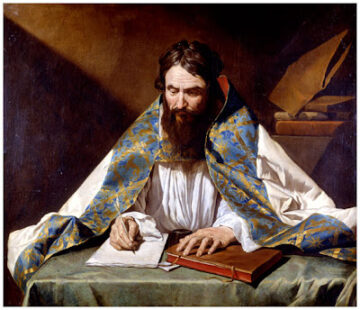 As an émigré from the dusty, sun-scorched Carthaginian provinces, there are innumerable sites and experiences in Milan that could have impressed themselves upon the young Augustine – the regal marble columned facade of the Colone di San Lorenzo or the handsome red-brick of the Basilica of San Simpliciano – yet in Confessions, the fourth-century theologian makes much of an unlikely moment in which he witnesses his mentor Ambrose reading silently, without moving his lips. Author of Confessions and City of God, father of the doctrines of predestination and original sin, and arguably the second most important figure in Latin Christianity after Christ himself, Augustine nonetheless was flummoxed by what was apparently an impressive act. “When Ambrose read, his eyes ran over the columns of writing and his heart searched out for meaning, but his voice and his tongue were at rest,” remembered Augustine. “I have seen him reading silently, never in fact otherwise.”