
by Mike Bendzela
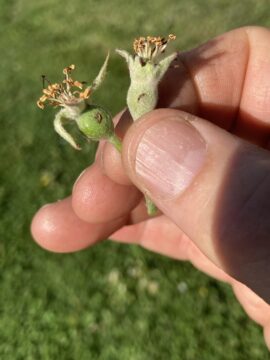
The week before Memorial Day, I’m back to my old tricks again, poisoning pests in my little orchard. It’s the period after petal fall, when the romance of bloom season gives way to the horrors of war. Commencing in mid-May in Maine, I walk among fruit trees amidst a profusion of blossoms; but by the end of the month, I lie awake at night worrying over a contingent of apple pests — I know I’m going to be busy for a few weeks. I’ve written previously about the trials of raising a species (Malus sieversii) originally from Kazakhstan in the ghastly climate of northern New England. The pests of the northeast — natives such as plum curculio and flatheaded appletree borer, and introduced invaders such as European sawfly and codling moth — have brilliantly adapted themselves to our New World orchards. You have to admire the intrepid little buggers for fulfilling their Darwinian duties so efficiently.
One cannot reach a truce with creatures whose brains are smaller than the tip of a pen. Plant a buffet of fruits that insects like — apples, pears, plums, and peaches — and don’t be surprised if they show up for the feast — in droves. And so, I must strap on a backpack sprayer, or hook a thirty-gallon tank to the back of my riding mower, and start killing. If I want table-quality heritage apples to sell to local markets, I have to resign myself to the equivalent of waging a napalm campaign against my arthropod companions. Does farming have to be like this, even on such a small scale? Must we slaughter our competitors? This question bugs me to no end. Read more »
 Malawi, Zimbabwe and Mozambique almost never get good press. The modest coverage of last year’s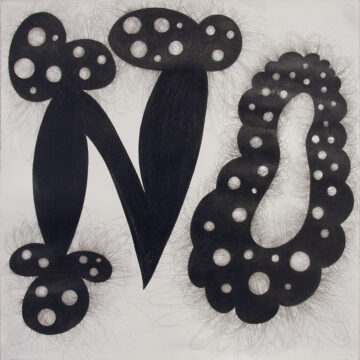

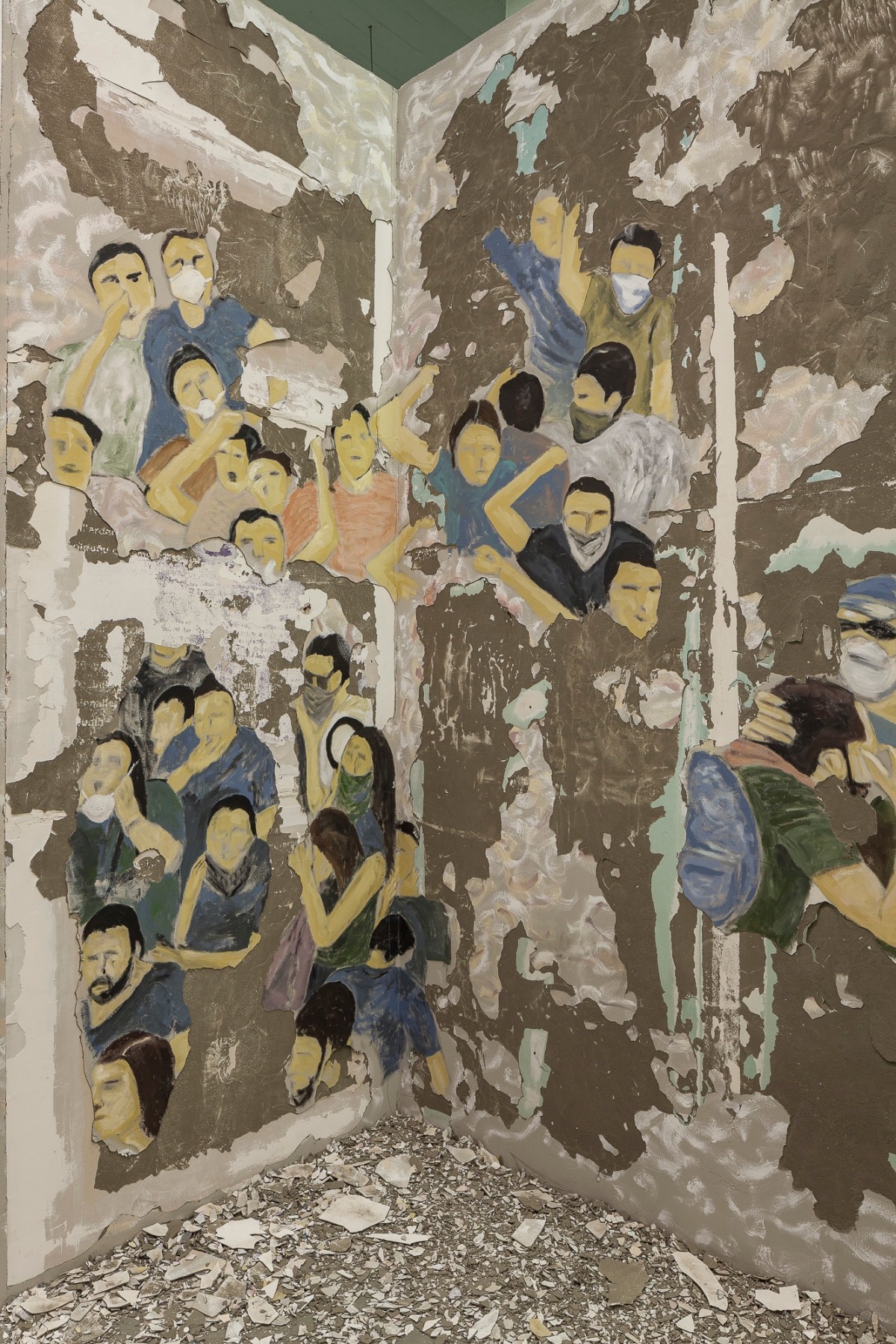 Latifa Echakhch. Taqsim, 2017.
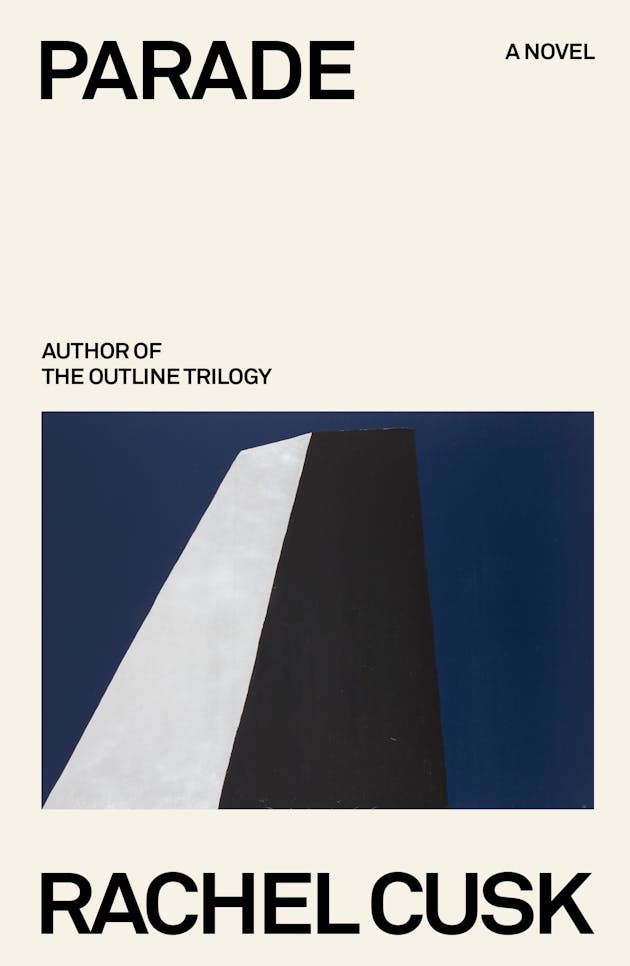



 In 2015, political scientist Larry Diamond warned against defeatism in the face of what he called the
 The Sufis aspire to the highest conception of love and understand it to be the vital force within, a metonym for Divine essence itself, obscured by the ego and waiting to be recovered and reclaimed. Sufi poetry, in narrative, or lyric form, involves an earthly lover whose reach for the earthly beloved is not merely a romance, rather, it transcends earthly desire and reveals, as it develops, signs of Divine love, a journey that begins in the heart and involves the physical body, but culminates in the spirit.
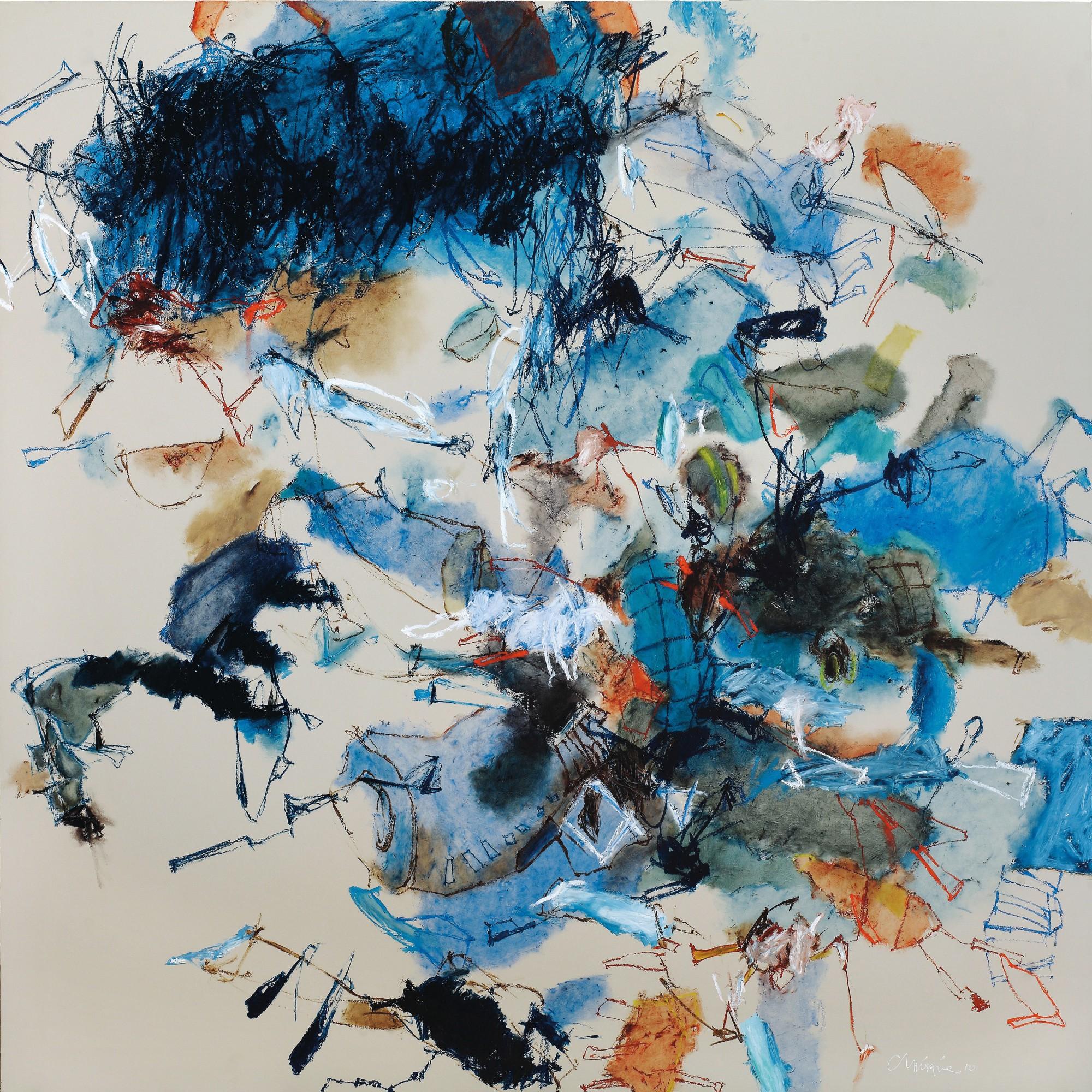 Christine Ay Tjoe. First Type of Stairs, 2010.