
by O. Del Fabbro
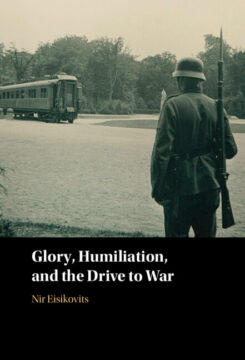 Why do we fight? That question has been asked by so many in the history of mankind: philosophers, psychologists, anthropologists, historians, sociologists, political theorists have come up over and over again with explanations as to why humans fight.
Nir Eisikovits, Professor of Philosophy at the University Massachusetts Boston, and founding director of the Applied Ethics Center, has in his recent book publication tried to answer that question in his specific, and very unique way: Glory, Humiliation, and the Drive to War.[1] Eisikovits’ main claim is that glory and humiliation are similar to a “two-stroke engine”, that is they are in “conjunction with each other”. To put it more simply: being subject to humiliation is so injurious that ending or reversing that state results in obtaining glory. The cycle of the two-stroke mechanism between glory and humiliation is what keeps the war machine running.
Until recently the German political scientist Herfried Münkler would have disagreed with Eisikovits. Especially Westerners live in post-heroic times according to Münkler. Drone warfare and more generally hybrid warfare allow societies to wage war without being explicit about it, and more importantly, there is no need for heroes anymore, if battles are fought remotely. Only lately, with the integration of drone warfare in classical warfare in Ukraine, has Münkler taken a step back and self-criticized his earlier statements. Eisikovits for his part is spot on, when he highlights how psychologically challenging remote drone warfare is for the pilots, and how they suffer from Post Traumatic Stress Disorder (PTSD).[2] Münkler believed that times had changed, that because wars in the 21st century are fought with new technologies and societies are more peaceful now, heroes are no longer needed and glory is of no importance anymore. Eisikovits proceeds the other way around. Wars might have changed technologically, but the drive to war has not changed. Read more »
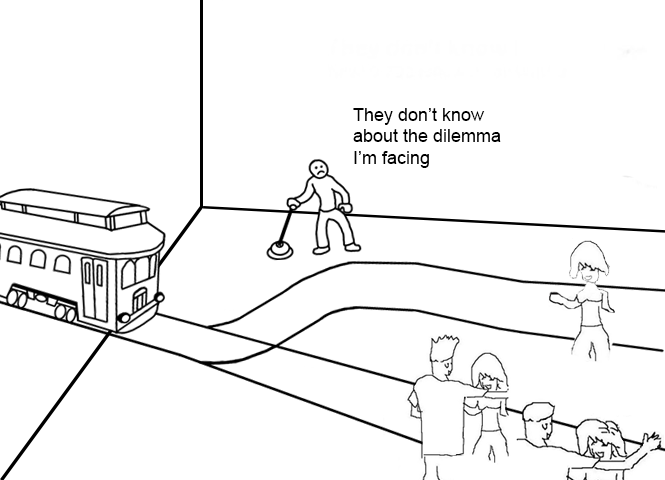

 “In bardo again,” I text a friend, meaning I’m at the Dallas airport, en route to JFK. I can’t remember now who came up with it first, but it fits. Neither of us are even Buddhist, yet we are Buddhist-adjacent, that in-between place. Though purgatories are not just in-between places, but also places in themselves.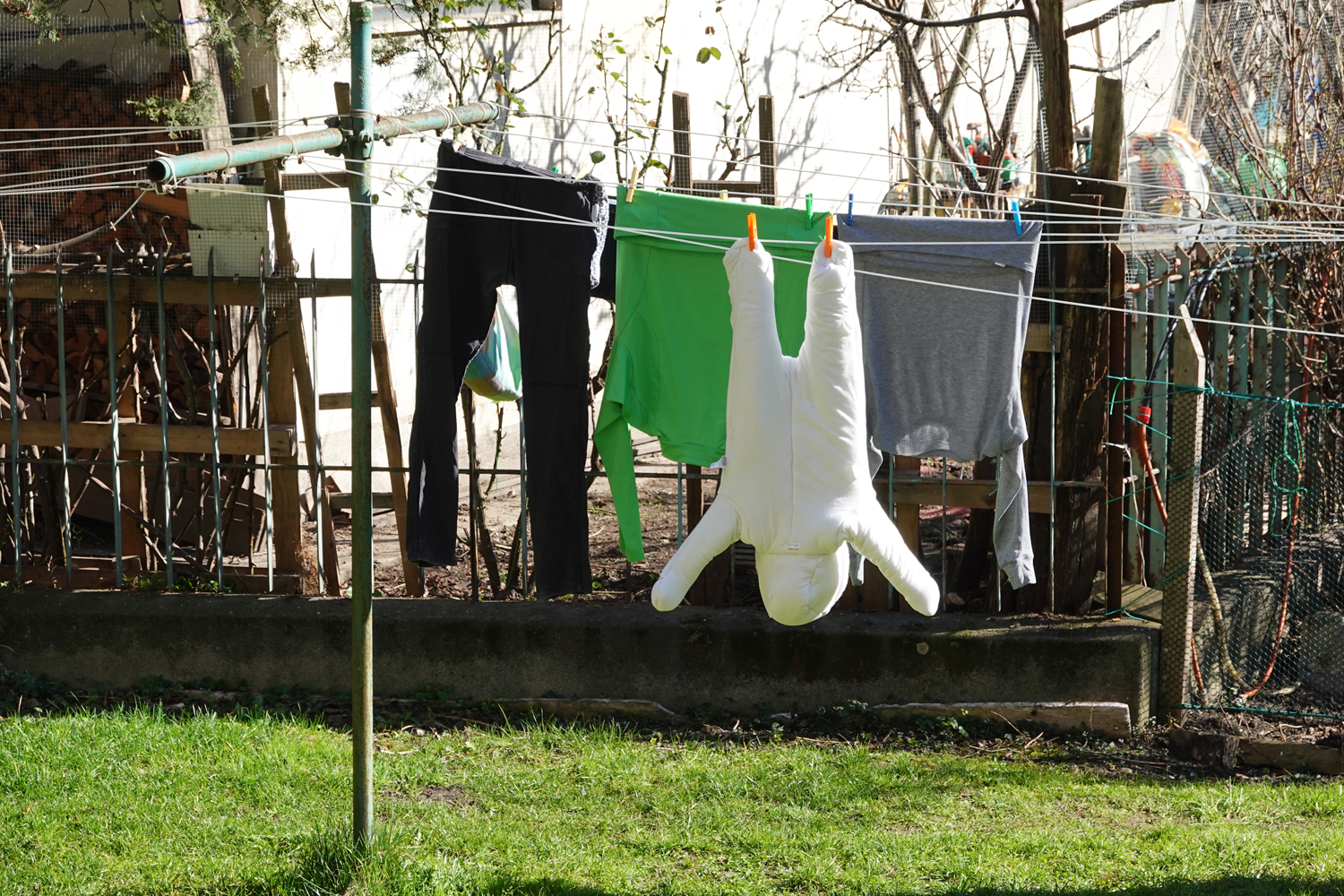
 Do corporations have free will? Do they have legal and moral responsibility for their actions?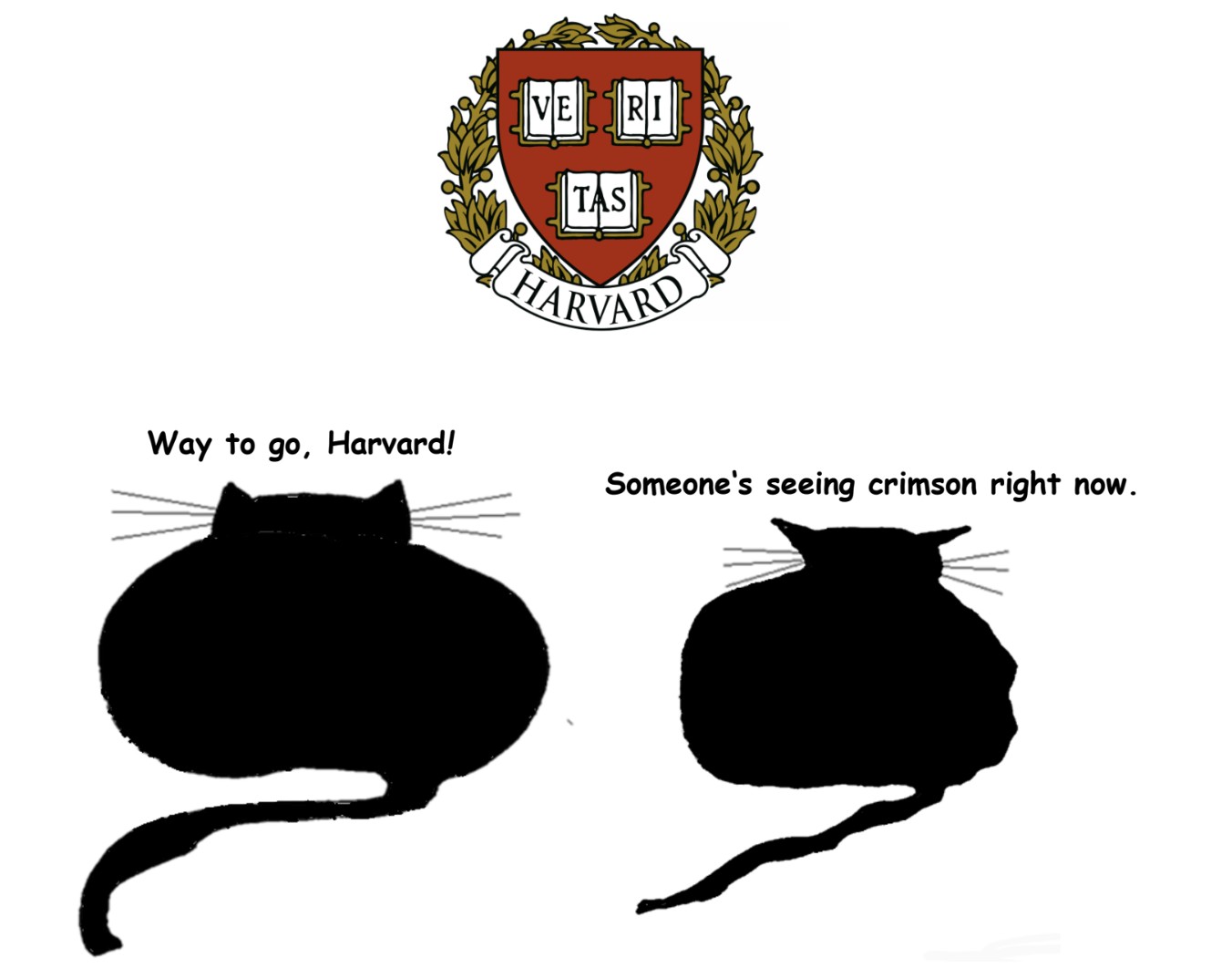
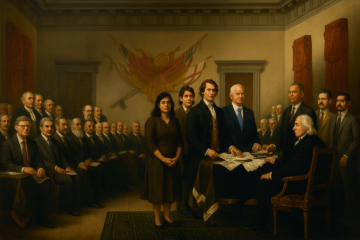


 Stephanie Morisette. Hybrid Drone/Bird, 2024.


 In his inaugural speech on 20 January 2025, Donald Trump jumped into the fray on the contentious issues of gender identity and sex when he announced that his administration would recognise “only two genders – male and female”. At this point there is no conceptual clarity on his understanding of the contested issues of ‘gender’ and ‘male and female’, but we do not have to wait too long before he clarifies his position. His executive order, ‘Defending Women from Gender Ideology Extremists and Restoring Biological Truth to Federal Government’ signed by him soon after the official formalities of his inauguration were completed, sets out the official working definitions to be implemented under his administration.