by Lei Wang
 “In bardo again,” I text a friend, meaning I’m at the Dallas airport, en route to JFK. I can’t remember now who came up with it first, but it fits. Neither of us are even Buddhist, yet we are Buddhist-adjacent, that in-between place. Though purgatories are not just in-between places, but also places in themselves.
In The Global Soul: Jet Lag, Shopping Malls, and the Search for Home, a book by travel writer Pico Iyer on, among other things, the charm of airports, he quotes Geoff Dyer, who quotes the architect Vincenzo Volentieri:
“Birds in flight… are not between places, they carry their places with them. We never wonder where they live: they are at home in the sky, in flight. Flight is their way of being in the world.”
For a homing pigeon, home is a verb. I try to remember this as my flight is delayed, with bardo extended until 2am. The planes keep malfunctioning: two so far, with need for another. “We’re waiting as fast as we can,” I overhear. But bardo is better than dying.
My best friend loved bus rides as a child, because en route from one destination to another, one could do frivolous things, like listen to music or read a book that wasn’t necessary for school. It was a little bit like being sick: a time of respite from ordinary demands, as you and your paused ambitions travel to the kingdom of wellness.
During travel, you are “off the hook” in a way: you have a reasonable excuse for not getting back to people, a kind of natural digital detox. Internet is opt-in, not opt-out. You are already doing something everyone seems to agree is difficult and uncomfortable, and so distractions are socially sanctioned: juicy novels, non-arthouse movies, guilt-free fast food.
An airport is a free pass for ShakeShack, or for those early morning flights, a sweet and savory McGriddle. Of course, there are those who partake of salads and yogurt and honey crisp apples from home even en route, probably the kind of people who use the word partake. Read more »
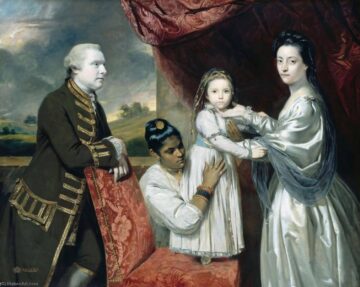
 Do corporations have free will? Do they have legal and moral responsibility for their actions?


 Stephanie Morisette. Hybrid Drone/Bird, 2024.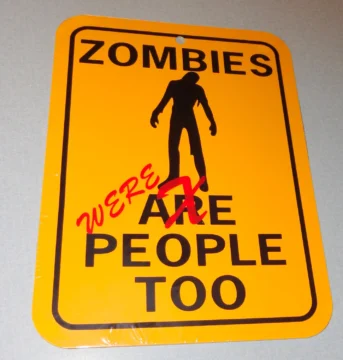

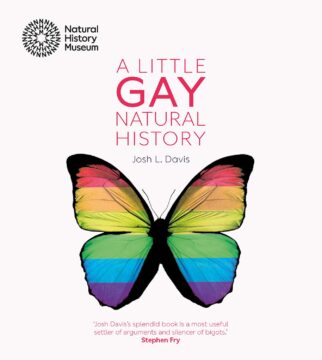 In his inaugural speech on 20 January 2025, Donald Trump jumped into the fray on the contentious issues of gender identity and sex when he announced that his administration would recognise “only two genders – male and female”. At this point there is no conceptual clarity on his understanding of the contested issues of ‘gender’ and ‘male and female’, but we do not have to wait too long before he clarifies his position. His executive order, ‘Defending Women from Gender Ideology Extremists and Restoring Biological Truth to Federal Government’ signed by him soon after the official formalities of his inauguration were completed, sets out the official working definitions to be implemented under his administration.

 If you had to design the perfect neighbor to the United States, it would be hard to do better than Canada. Canadians speak the same language, subscribe to the ideals of democracy and human rights, have been good trading partners, and almost always support us on the international stage. Watching our foolish president try to destroy that relationship has been embarrassing and maddening. In case you’ve entirely tuned out the news—and I wouldn’t blame you if you have—Trump has threatened to make Canada the 51st state and took to calling Prime Minister Trudeau, Governor Trudeau.