
by Robert Fay
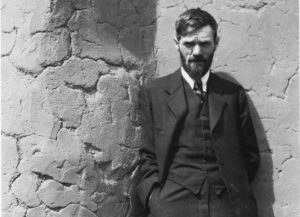
D.H. Lawrence had the goods on America. Like many foreign intellectuals and artists before and after, he was interested in the American “spirit of place” and its people’s curious experiment with displacement. He knew the “old American classics” stood toe-to-toe with the great Russian and French masterpieces of the 19th Century, but he also knew there were a lot of bodies buried out back, and understanding America started from there.
In his masterful Studies in Classic American Literature (1923) he wrote, “at present the demon of the place and the unappeased ghosts of the dead Indians act with the unconscious and under-conscious soul of the white American, causing the great American grouch, the Orestes-like frenzy of restlessness of the Yankee soul, the inner-malaise that almost amounts to madness, sometimes.”
Lawrence was writing here about James Fenimore Cooper’s novels and the countries’ shameful relations with Native Americans, but it could equally apply to America’s ongoing treatment of African Americans. Lawrence goes on to observe, “America is tense with latent violence and resistance. The very common sense of white Americans has a tinge of helplessness in it.”
There’s a growing consciousness among (some) white Americans that racism is not simply a societal ill creeping toward extinction (“Look, we just had a black president!), but more like a malarial parasite that cleverly adapts itself to new circumstances, new opportunities. Read more »
 Many years ago in 1991, in my first job out of college, I worked for a small investment bank. By 1994, I was working in its IT department. One of my tasks was PC support and I had a modem attached to my computer so that I could connect to Compuserve for research on technical issues. Yes, this was the heydey of Compuserve, the year that the first web browser came out and a time when most people had very little idea, if any, what this Internet thing was.
 Novels set in New York and Berlin of the 1980s and 1990s, in other words, just as subculture was at its apogee and the first major gentrification waves in various neighborhoods of the two cities were underway—particularly when they also try to tell the coming-of-age story of a young art student maturing into an artist—these novels run the risk of digressing into art scene cameos and excursions on drug excess. In her novel A Lesser Day (Spuyten Duyvil, second edition 2018), Andrea Scrima purposely avoids effects of this kind. Instead, she concentrates on quietly capturing moments that illuminate her narrator’s ties to the locations she’s lived in and the lives she’s lived there.
 Little Miracles 2: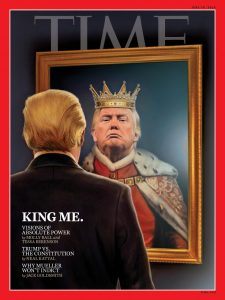

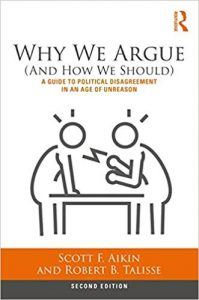
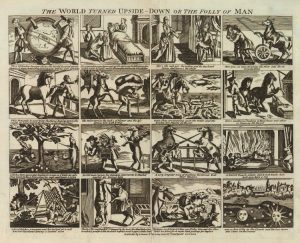

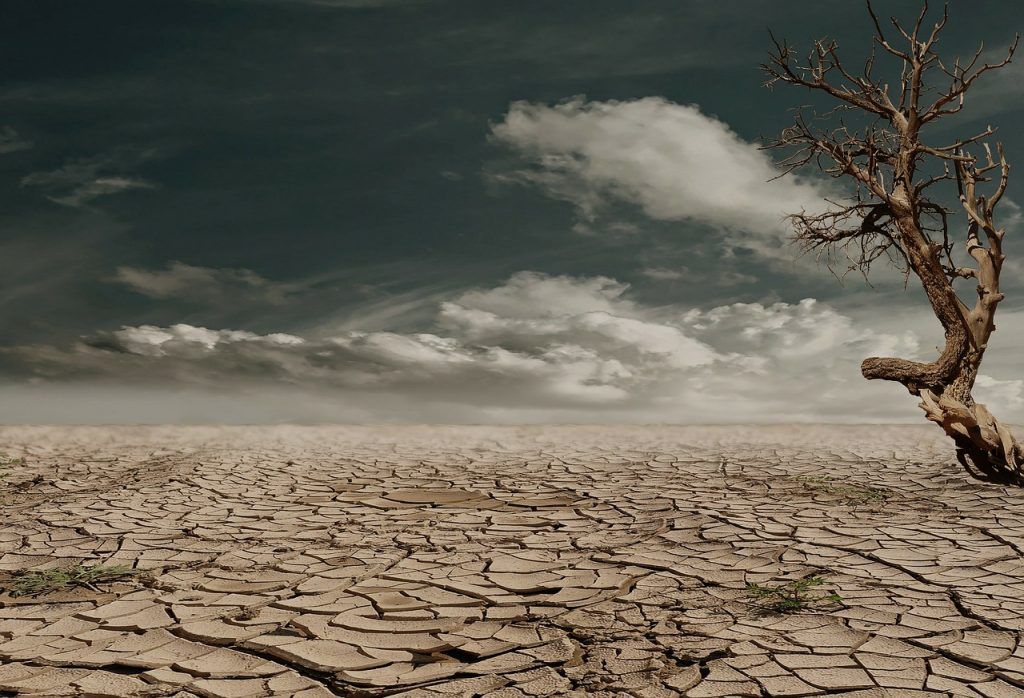 The dangers of climate change pose a threat to all of humankind and to ecosystems all over the world. Does this mean that all humans need to equally shoulder the responsibility to mitigate climate change and its effects? The concept of CBDR (common but differentiated responsibilities) is routinely discussed at international negotiations about climate change mitigation. The basic principle of CBDR in the context of climate change is that highly developed countries have historically contributed far more than to climate change and therefore need to reduce their carbon footprint far more than less developed countries. The per capita rate of vehicles in the United States is approximately 90 cars per 100 people, whereas the rate in India is 5 cars per 100 people. The total per capita carbon footprint includes a plethora of factors such as carbon emissions derived from industry, air travel and electricity consumption of individual households. As of 2015, the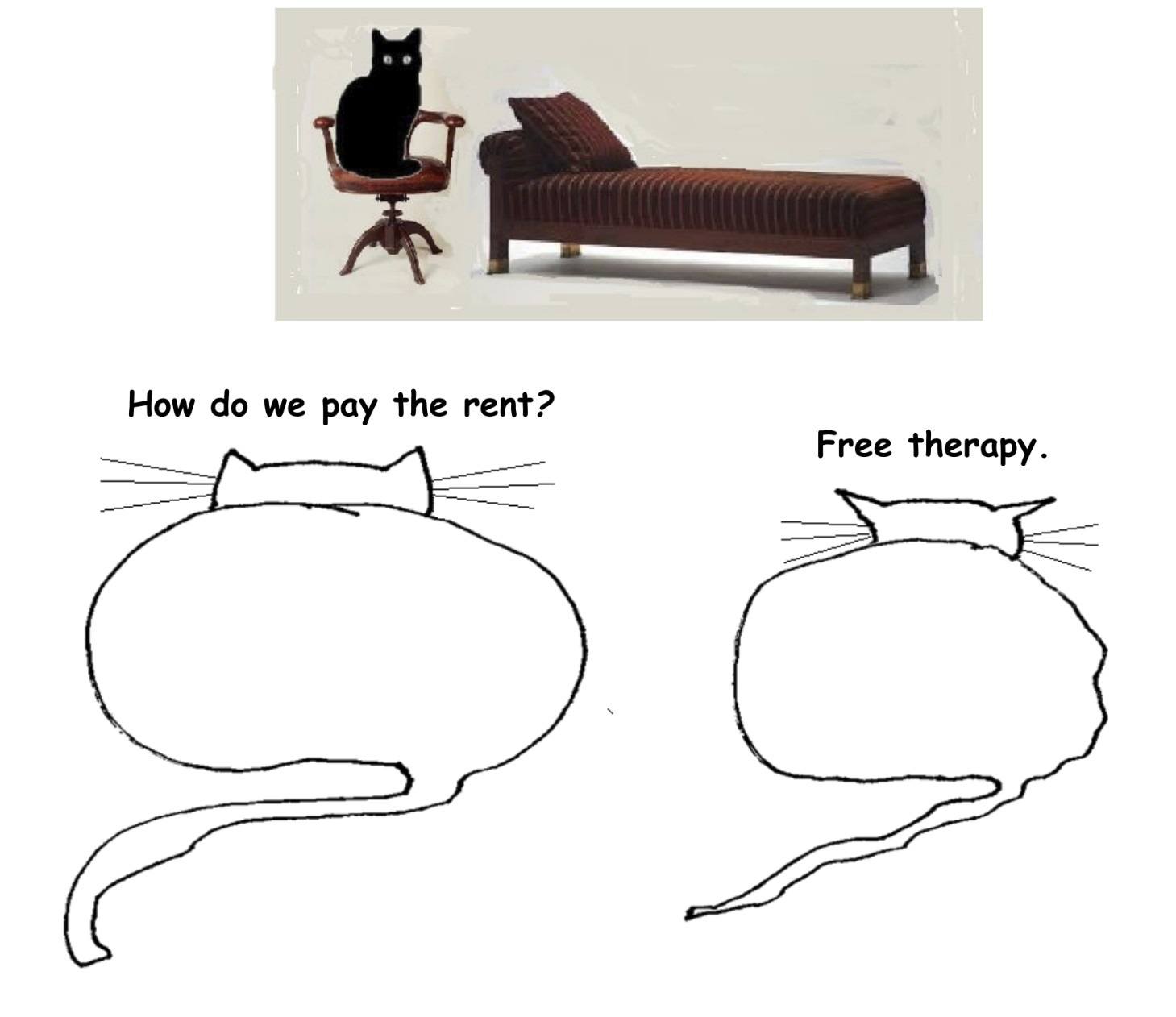
 A number of scenes in Eugene Zamyatin’s dystopian novel
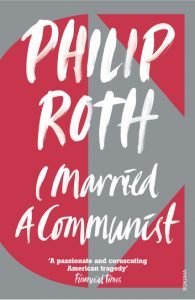 The link to Charles McGrath’s ‘No Longer Writing, Philip Roth Still Has Plenty to Say’ which appeared in the New York Times in January, only a few months prior to Roth’s death in May this year, was forwarded to me by a friend who thought I might find the article interesting. How indebted I am to my friend that he thought of me in those terms, for the sending of that article rekindled my acquaintance with Roth; life’s events and circumstances had left my reading of his work to the margins.
 The past years have seen many debates about the limits of science. These debates are often phrased in the terminology of scientism, or in the form of a question about the status of the humanities. Scientism is a