
INTERVIEW BETWEEN ANDREA SCRIMA (A LESSER DAY)
AND CHRISTOPHER HEIL (Literaturverlag Droschl)
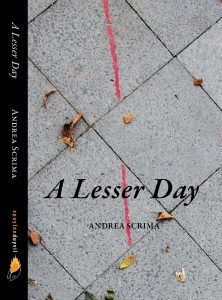 Novels set in New York and Berlin of the 1980s and 1990s, in other words, just as subculture was at its apogee and the first major gentrification waves in various neighborhoods of the two cities were underway—particularly when they also try to tell the coming-of-age story of a young art student maturing into an artist—these novels run the risk of digressing into art scene cameos and excursions on drug excess. In her novel A Lesser Day (Spuyten Duyvil, second edition 2018), Andrea Scrima purposely avoids effects of this kind. Instead, she concentrates on quietly capturing moments that illuminate her narrator’s ties to the locations she’s lived in and the lives she’s lived there.
When she looks back over more than fifteen years from the vantage of the early 2000s and revisits an era of personal and political upheaval, it’s not an ordering in the sense of a chronological sequence of life events that the narrator is after. Her story pries open chronology and resists narration, much in the way that memories refuse to follow a linear sequence, but suddenly spring to mind. Only gradually, like the small stones of a mosaic, do they join to form a whole.
In 1984, a crucial change takes place in the life of the 24-year-old art student: a scholarship enables her to move from New York to West Berlin. Language, identity, and place of residence change. But it’s not her only move from New York to Berlin; in the following years, she shuttles back and forth between Germany and the US multiple times. The individual sections begin with street names in Kreuzberg, Williamsburg, and the East Village: Eisenbahnstrasse, Bedford Avenue, Ninth Street, Fidicinstrasse, and Kent Avenue. The novel takes on an oscillating motion as the narrator circles around the coordinates of her personal biography. In an effort of contemplative remembrance, she seeks out the places and objects of her life, and in describing them, concentrating on them, she finds herself. The extraordinary perception and precision with which these moments of vulnerability, melancholy, loss, and transformation are described are nothing less than haunting and sensuous, enigmatic and intense. Read more »

 Little Miracles 2:

 The dangers of climate change pose a threat to all of humankind and to ecosystems all over the world. Does this mean that all humans need to equally shoulder the responsibility to mitigate climate change and its effects? The concept of CBDR (common but differentiated responsibilities) is routinely discussed at international negotiations about climate change mitigation. The basic principle of CBDR in the context of climate change is that highly developed countries have historically contributed far more than to climate change and therefore need to reduce their carbon footprint far more than less developed countries. The per capita rate of vehicles in the United States is approximately 90 cars per 100 people, whereas the rate in India is 5 cars per 100 people. The total per capita carbon footprint includes a plethora of factors such as carbon emissions derived from industry, air travel and electricity consumption of individual households. As of 2015, the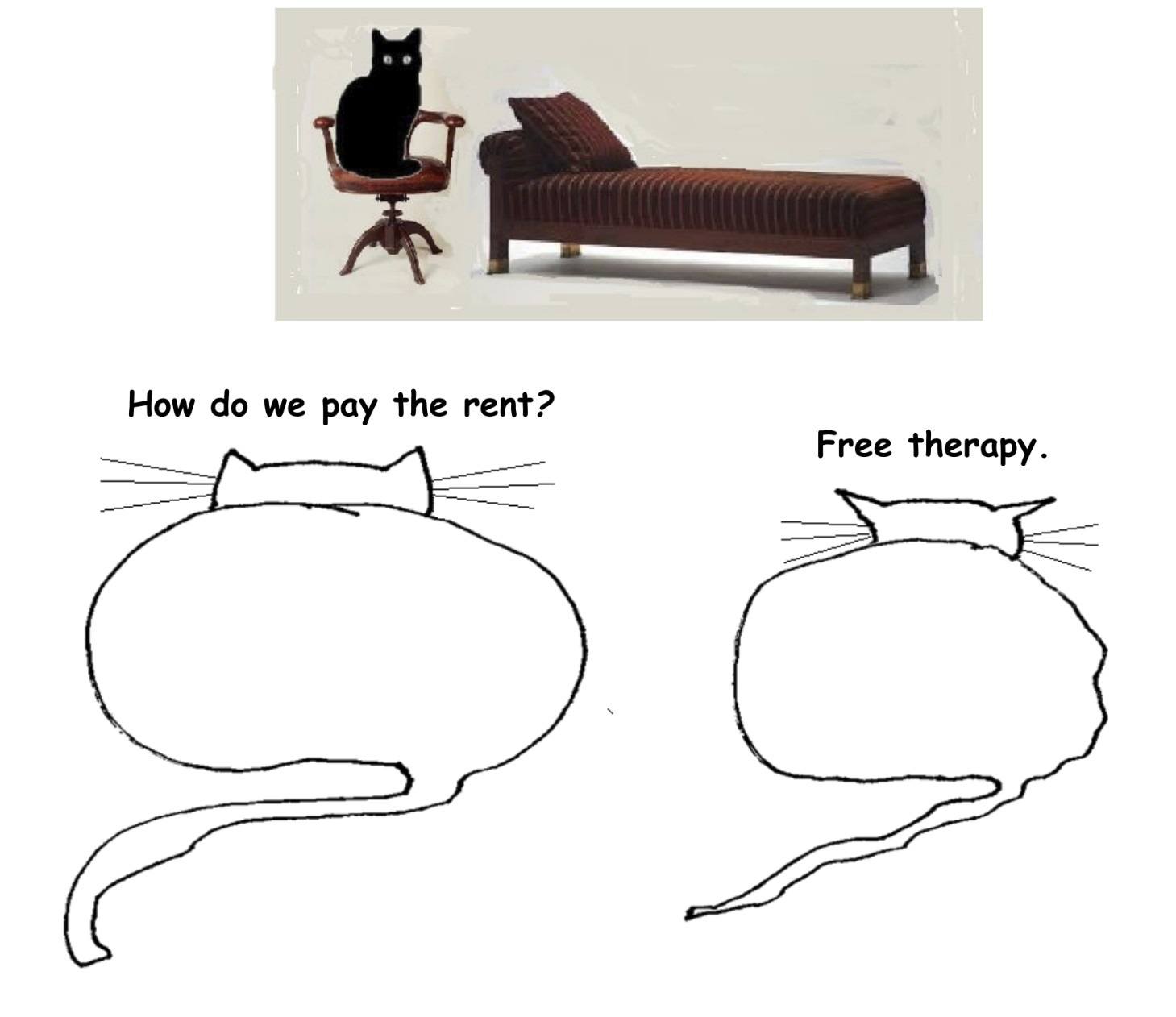
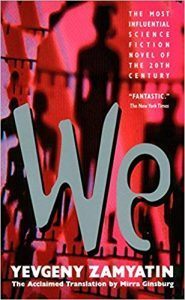 A number of scenes in Eugene Zamyatin’s dystopian novel
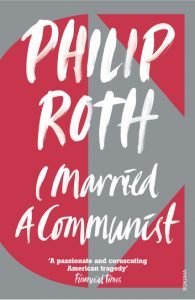 The link to Charles McGrath’s ‘No Longer Writing, Philip Roth Still Has Plenty to Say’ which appeared in the New York Times in January, only a few months prior to Roth’s death in May this year, was forwarded to me by a friend who thought I might find the article interesting. How indebted I am to my friend that he thought of me in those terms, for the sending of that article rekindled my acquaintance with Roth; life’s events and circumstances had left my reading of his work to the margins.
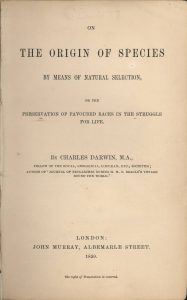 The past years have seen many debates about the limits of science. These debates are often phrased in the terminology of scientism, or in the form of a question about the status of the humanities. Scientism is a
 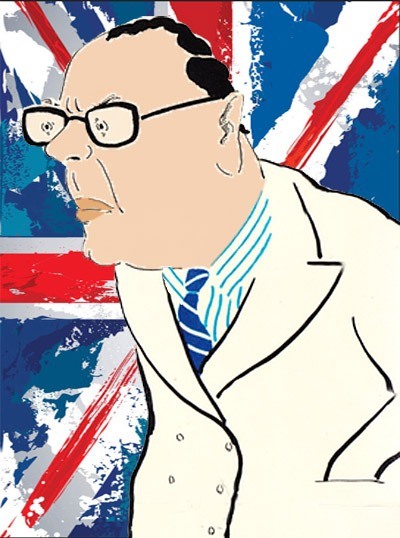 The career of Kenneth Widmerpool defined an era of British social and cultural life spanning most of the 20th century. He is fictional – a character in
 It’s a Saturday in May. I’m 17, and I’ve spent the morning washing and waxing my first car, a 1974 Gremlin. I’m so delighted that I drive around the block, windows down, Chuck Mangione playing on the radio. Feels so good, indeed. I’ve successfully negotiated a crucial passage on the road to adulthood, and I’m pleased with myself and my little car. Times change, though, and sometimes even people change. Forty years later, with, I hope, many miles ahead of me, I sold what I expect to be my last car.