
Like The Old Harry
….. –for my father, Jim
My father was an opaque poet
of blue collar verse
who’d sling odd terms
from the corner of his mouth
opposite the one holding
the lip-gripped cigarette
issuing curlicues of smoke
which circled his cocked head
his eyes squinting from their sting
his playful gags filled earcups
from which I, with fresh curiosity, drank
to quench a thirst for the secret
stuff of words
“Up Laundry Hill,”
he’d say to my question,
“Hey, dad,where you goin’?”
as if the place he was headed beyond the door
was a high meadow in which my grandmother
with a bar of brown soap
might scrub shirts by a slow river
and hang them to dry on lines strung tree to tree
as an August sun drenched them with a bounty
of white light and a day’s-worth of heat
Like the old Harry was his expression
for the speed of a world that moved
like the Old Harry as I, in new Keds
ran, not like the wind, but like the Old Harry,
a quick little shit on white rubber soles
consuming the universe of our yard
in nanoseconds
Whoever Old Harry was my dad knew him well—
knew he could outrun light when it came down to it
despite the equation upon which Einstein,
regarding questions of velocity, stood
—there’s more to earth than science:
the music of syllables
the humor in their arrangements
the unexpected flash of odd conjunctions
the comfort of the syntax of tradition
the sudden crack of their smart whip
which sometimes sends us like the Old Harry,
in a sprint, up Laundry Hill
Jim Culleny
5/3/11
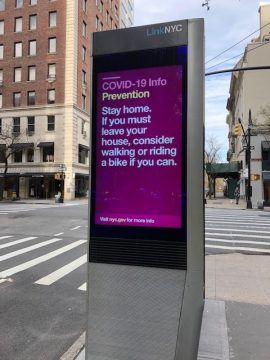 I am one of those people who cannot sit still. I wasn’t good at it as a child, and as the decades pass, every indication is that I will never be good at it. I suspect I inherited this from my father, who lacked a single iota of Sitzfleisch, and have passed on the gene to one of my children (no need to name names here, she knows who she is and who to blame.)
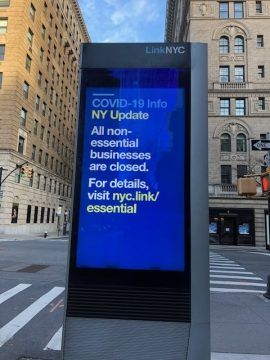 Of course, this was all before Coronavirus, all before I was deemed “non-essential” and even officially old. I’m not sure where this “old” nonsense came from, but the solicitude for my health and wellbeing merely as a function of an arbitrary number is a little hard to take. All of a sudden there seem to be an awful lot of things I’m not supposed to be doing. I never thought “aging in place” was meant to be taken literally.
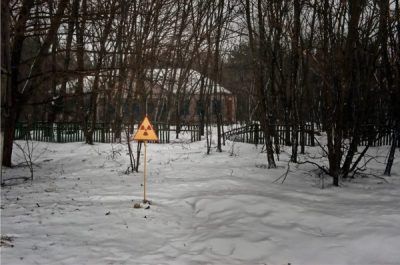 Two minutes after the explosion the fire station alarm rang. The firefighters who scrambled from sleep to the scene, along with the regular overnight shift at reactor four, were among the first fatally irradiated. Unquestioned heroes, they battled the blazes until dawn with no special training for a nuclear accident, in shirtsleeves, using only conventional firefighting methods. They walked amid flaming, radioactive graphite.
 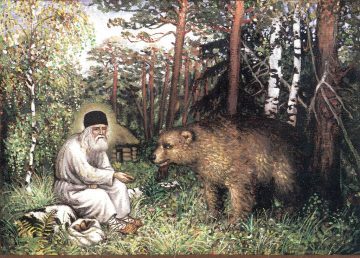 by Holly A. Case (Interviewer) and Tom J. W. Case (Hermit)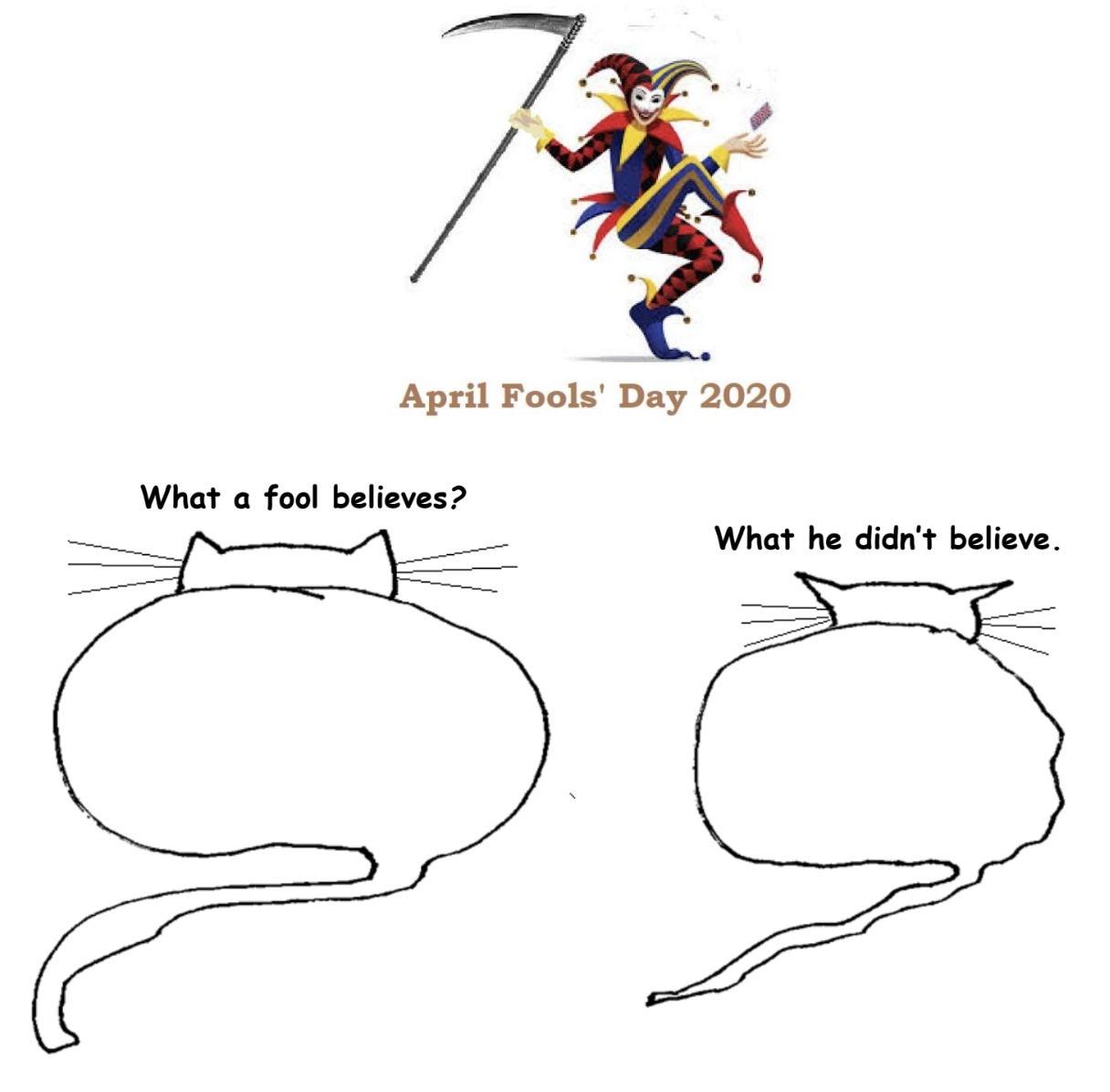
 I’ve been telecommuting on and off for over 17 years. I first started working from home because I’d moved 150 miles away from the company I’d been contracting for over the previous 4 years. Back then, I worked in a small team that was part of a larger team in a huge corporation. My immediate boss was very supportive of my new working arrangement, but he had a peer, who even though she had no responsibility for my work, felt the need to have her say to their mutual boss. Her thoughts went along lines of, “how do we know she’s really working when she never comes into the office?”, to which my boss said, “well someone is getting all the work done, so if it isn’t Sarah, who is it?”. This conversation seems almost quaint nowadays, when even before the current pandemic, a decent amount of the white-collar professional workforce worked at least occasionally from home. And now of course, we’ve all been thrust into a great social experiment to see just how productive, perhaps more rather than less even, the entire workforce will be working remotely. Everyone else is now catching up to what I’ve known for a long time: it’s pretty nice to not have to deal with the daily commute and that time can really be used more productively than fighting for space on mass transit; you have to be at least somewhat disciplined to make sure you only go so many days working in the same pjs you’ve been in all week; working from home can give you a lot of time to multitask life stuff like unloading the dishwasher while you’re listening to a conference call, but it can also be harder to draw boundaries between home and work life, and this takes some practice.
 I had planned to do another philosophy post this month, but I can hardly concentrate on such things about now and I bet you can’t either. Instead I’ve been hanging out on Bandcamp and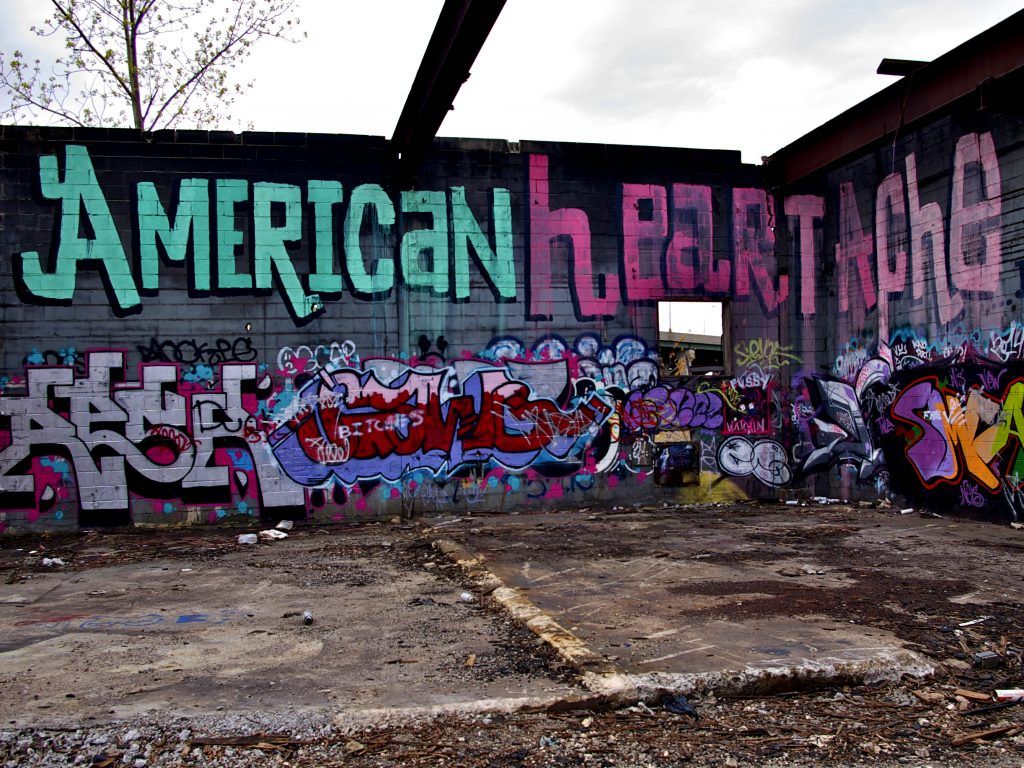
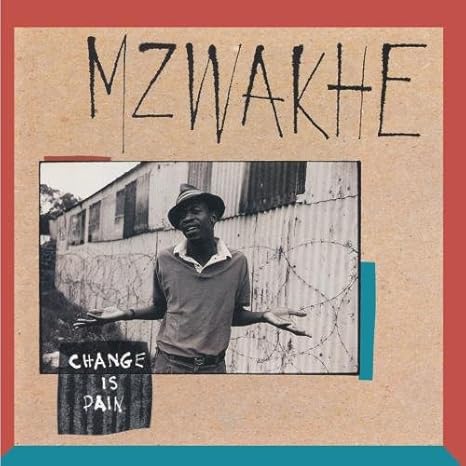 Manhattan always has been and always will be New York City’s geographic and economic center. But if you’re actually from New York, then you’re very likely not from Manhattan. Like me, you’re from one of the outer boroughs: The Bronx, Brooklyn, Queens, or Staten Island. And as far as we’re concerned, we’re the real New Yorkers. The natives with roots and connections, and the immigrants who are life-and-death dedicated to making them, not the tourists who come for a weekend or a dozen years before trundling back to America.
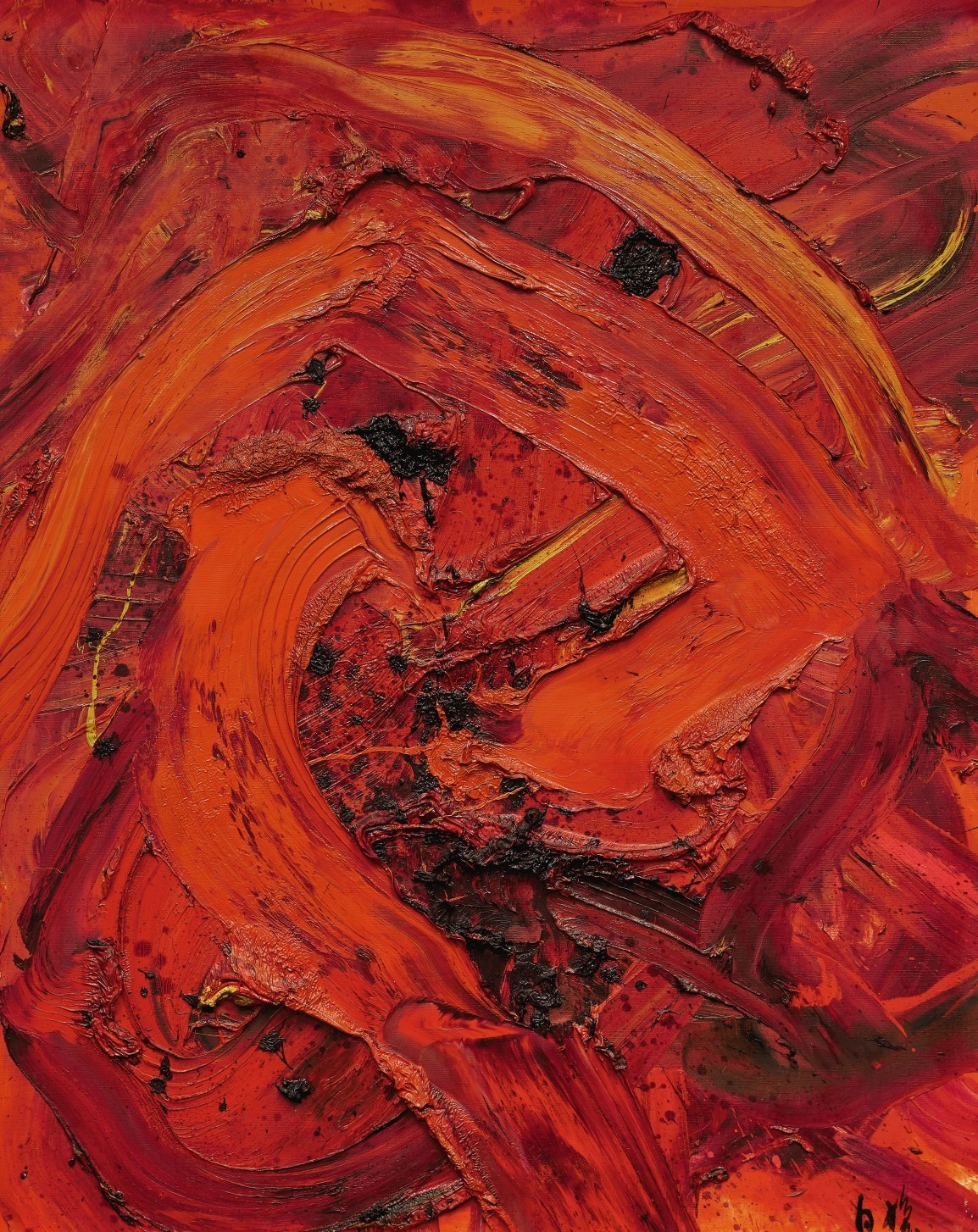 Kazuo Shiraga. Untitled 1964.
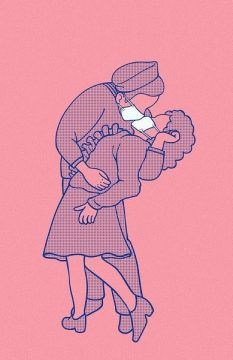 There has been much discussion lately of whether the COVID-19 pandemic will spell the end of globalization. It’s hard to get economists to agree on the meaning of the numbers, or foreign policy analysts to commit to a vision of the future in a world that changes from one moment to the next. Globalization means different things to different people and entities. Its many facets, and many narratives about those facets, complicate discussion about either a contraction or a resurgence of globalization. For corporations, it means access to inexpensive labor markets; for money managers, it means access to capital markets. For the typical business traveler, it may mean something as basic as greater choice of airlines and flight times for an international trip. For an optimistic humanist, it might symbolize enhanced international cooperation and a suppression of nationalism and xenophobia. For an environmentalist, it is marred by the dangerous policies that accelerate climate change. For a technocrat, it seems the obvious economic approach to accompany the paradigm of social-media-fueled connectedness, data collection, surveillance, and targeted marketing.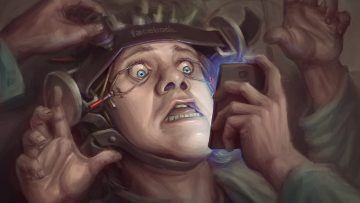
 1. As the coronavirus continues to disrupt human life in many corners of the globe, a phrase from George Frideric Handel’s Messiah has wormed its way through the background noise of my attention span. It occurs in a Part III