by Raji Jayaraman

An American parent who named their child “Kamala Devi” in the 1960s is likely to have been either Indian or a hippie. When I first heard Kamala Harris’ name during the 2020 Democratic presidential race, I assumed it was the latter since she was generically described as a “black woman”. What I have since learned is that her mother, Shyamala Gopalan, was an Indian immigrant. I barely understand my own personal life, so I won’t pretend to have any insight into Kamala Harris’s. Maybe she’s close to her Indian family, maybe she’s not. I’ll never know, and frankly neither will you. The only thing I can safely conclude from this information is that Kamala Harris has an Indian side.
As a country of immigrants, Americans are familiar with diversity even if they are not always accepting of it. Diversity across different people is, however, different from diversity within the same person. Americans seem disoriented by individual diversity. My admittedly rudimentary understanding is that they alleviate this unease by reducing the dimensionality of ethnic, racial or cultural identity in a person. The thankfully obsolete one drop rule is an example of this. Harris’s mother seems to have understood it early on. As Harris explains in a New Yorker profile, her mother “knew that her adopted homeland would see Maya [Kamala’s sister] and me as black girls, and she was determined to make sure we would grow into confident, proud black women.”
We know by now that the description of Harris as a “black woman” is incomplete. The opening paragraph of “Kamala’s story” on her new campaign website describes her as both “Black” and “Indian”, and notes her parents’ immigration to the U.S. from Jamaica and India. Then, in her DNC convention acceptance speech, she gave a shout out to “my uncles, my aunts and my chithis”. Padma Lakshmi, the model-turned-celebrity-chef, explained through tears of joy that chithi meant “auntie” in Tamil. Harris didn’t announce the fact that her mother’s side of the family is Brahmin, but that would have been obvious to any Tamilian looking at Harris’s Indian family photo. So now, on her Indian side alone, we have geography, language, religion and caste in the mix. Sorting all of that out has got to be confusing for anyone. Read more »
 first their concerted honks—
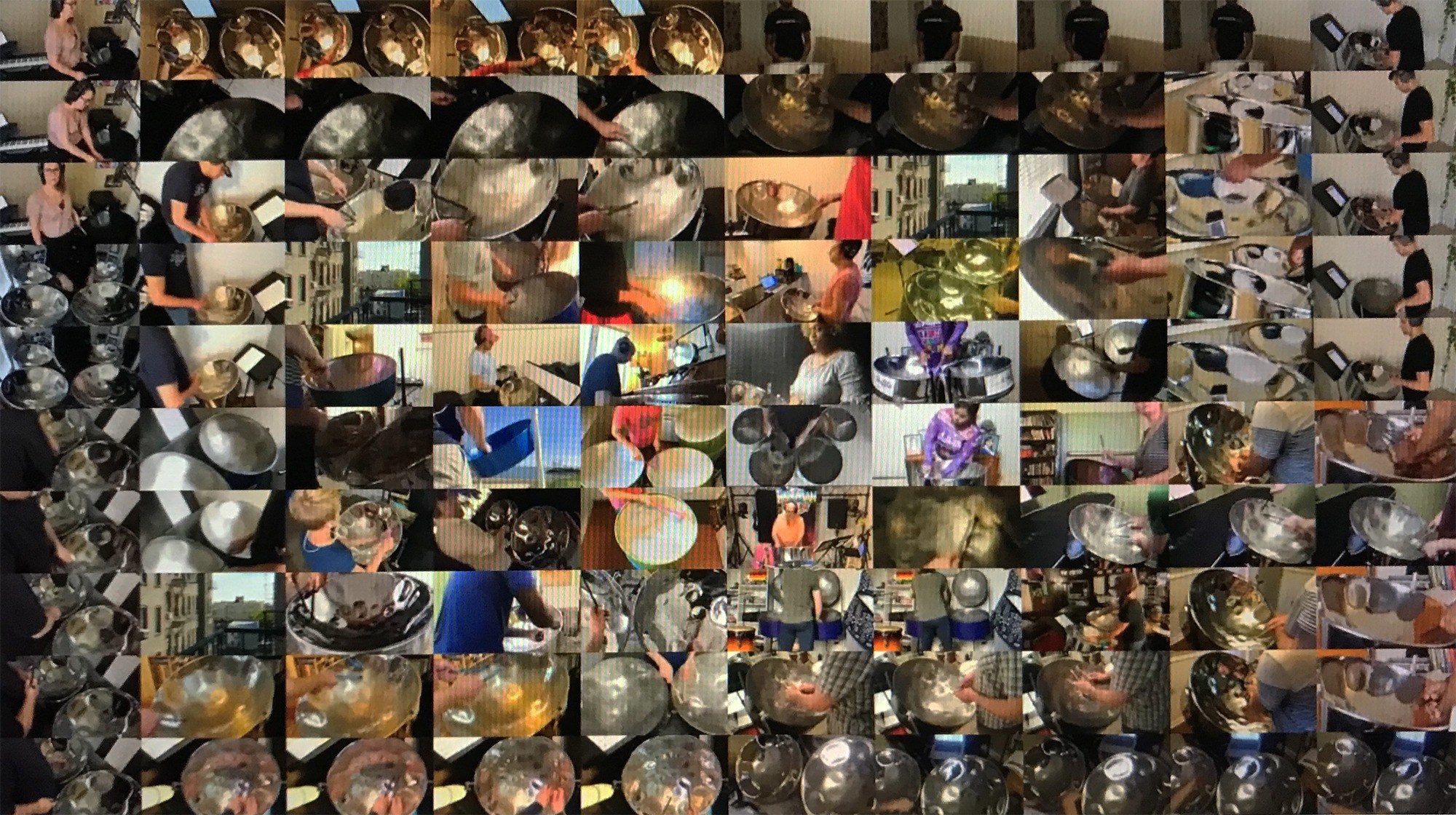

 The coronavirus pandemic has caused a great of suffering and has disrupted millions of lives. Few people welcome this kind of disruption; but as many have already observed, it can be the occasion for reflection, particularly on aspects of our lives that are called into question, appear in a new light, or that we were taking for granted but whose absence now makes us realize were very precious. For many people, work, which is so central to their lives, is one of the things that has been especially disrupted. The pandemic has affected how they do their job, how they experience it, or whether they even still have a job at all. For those who are working from home rather than commuting to a workplace shared with co-workers, the new situation is likely to bring a new awareness of the relation between work and time. So let us reflect on this.


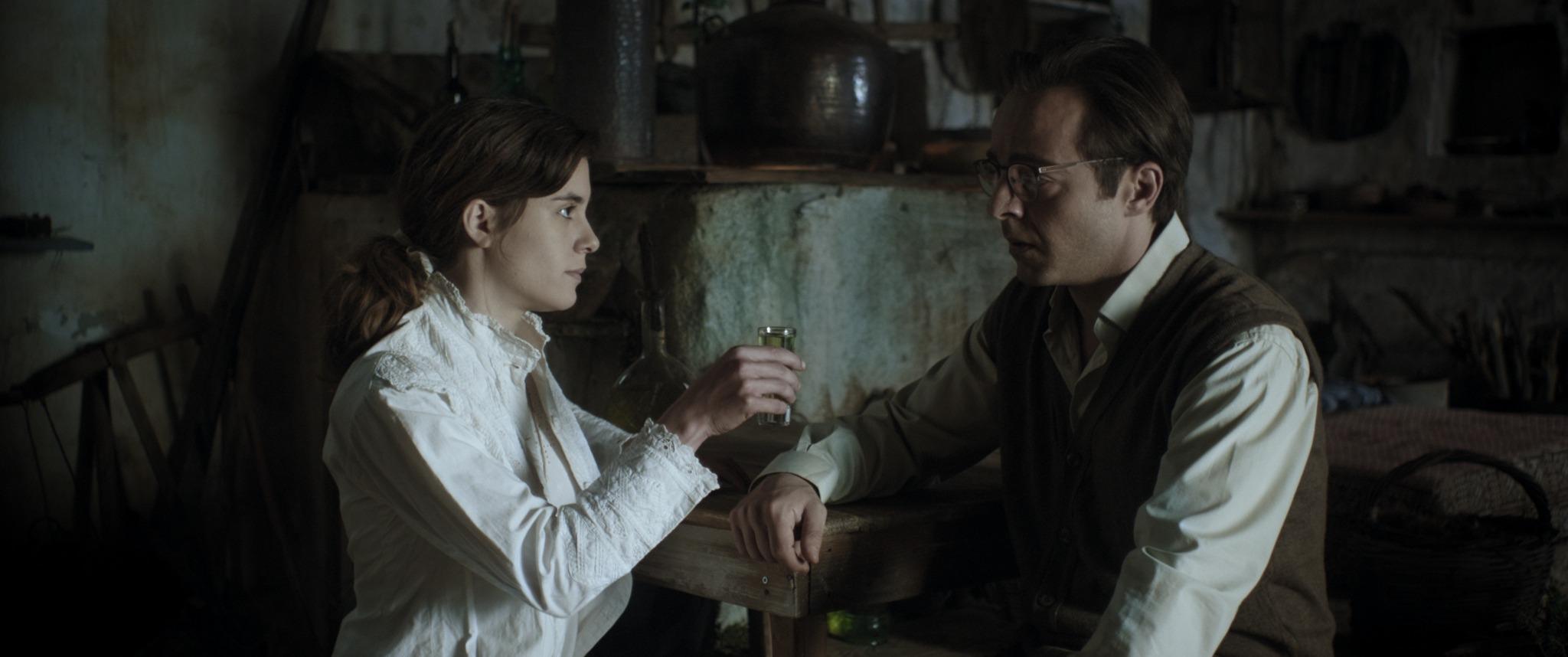
 I often hear it said that, despite all the stories about family and cultural traditions, winemaking ideologies, and paeans to terroir, what matters is what’s in the glass. If a wine has flavor it’s good. Nothing else matters. And, of course, the whole idea of wine scores reflects the idea that there is single scale of deliciousness that defines wine quality.
 Finally, outrage. Intense, violent, peaceful, burning, painful, heart-wrenching, passionate, empowering, joyful, loving outrage. Finally. We have, for decades, lived with the violence of erasure, silencing, the carceral state, economic pain, hunger, poverty, marginalization, humiliation, colonization, juridical racism, and sexual objectification. Our outrage is collective, multi-ethnic, cross-gendered and includes people from across the economic spectrum. One match does not start a firestorm unless what it touches is primed to burn. But unlike other moments of outrage that have briefly erupted over the years in the face of death and injustice, there seems to be something different this time; our outrage burns with a kind of love not seen or felt since Selma and Stonewall. Every scream against white supremacy, each interlocked arm that refuses to yield, every step we take along roads paved in blood and sweat, each drop of milk poured over eyes burning from pepper spray, every fist raised in solidarity, each time we are afraid but keep fighting is a sign that radical love has returned with a vengeance.