by Sabyn Javeri Jillani
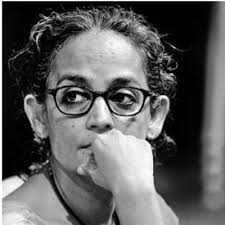
In April 2020, Arundhati Roy wrote in the Financial Times, “Historically, pandemics have forced humans to break with the past and imagine the world anew. This one is no different. It is a portal, a gateway between one world and the next.”
Her words reminded me of the state of Barzakh, the transitory stage between this world and the next. Separating the living from the hereafter, it’s often described as a veil or a bridge between death and resurrection. The Sufi philosopher Al Ghazali described it as a place where souls are suspended in time, neither in hell nor heaven, resembling the Catholic theological state of limbo. It is a similar state that I find myself in as I write this, despite the fact that the new year started off on a hopeful note.
But can a change of date really shake off the turmoil and confusion of last year? 2020 was an year of loss for so many of us. The world events around me seemed to reflect my inner state as I too experienced a deep sense of personal loss. There was a kind of implausible horror that encircled most of us as streets became empty and touch disappeared from our vocabulary. The withdrawal of the world reflected the inertia we felt inside as life came to a grinding halt. I mourned with the rest of the world, the loss of an era. Although the optimists amongst us reminded us that, ‘endings are new beginnings’, it was hard not to think of the pandemic as the ‘beginning of the end’. Read more »
 1. “A more perfect union.” The Founders expressed a breezy confidence, didn’t they? As if such a thing were possible – the distant states cohered into a nation; the various occupants working it all out. Loyal. Collaborative. Taking part in the common welfare. While remaining, of course, individual and autonomous and free, free, free. (Certain restrictions applied.)
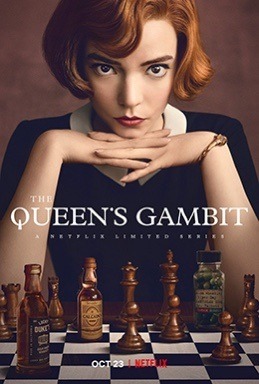 Two series have been streaming recently, to considerable success – The Queen’s Gambit (a Netflix miniseries, now concluded) and Succession (HBO, two series so far and more planned). They are interesting for a number of reasons – both for what they show, and perhaps more for what they do not, possibly cannot, show. So let’s consider some of the things we see and don’t see. I’m not going to recount the plot of either of them, as you can get that from Wikipedia and plenty of other places. But: spoiler alert: some will be divulged. Let’s look first at The Queen’s Gambit.
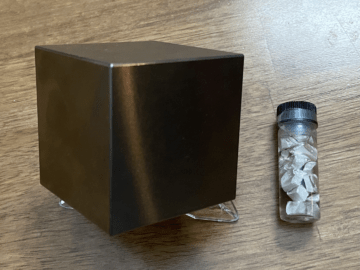

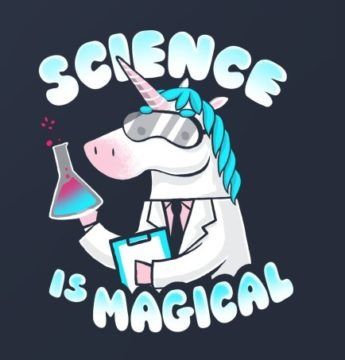 I think it is fair to say that we usually see science and magic as opposed to one another. In science we make bold hypotheses, subject them to rigorous testing against experience, and tentatively accept whatever survives the testing as true – pending future revisions and challenges, of course. But in magic we just believe what we want to be true, and then we demonstrate irrational exuberance when our beliefs are borne out by experience, and in other cases we explain away the falsifications in one way or another. Science means letting what nature does shape what we believe, while magic means framing our interpretations of experience so that we can keep on believing what feels groovy.



 Let me recommend a New Year resolution, in case you don’t have one yet: Be nicer to people you disagree with.