
by Fabio Tollon
Are we responsible for the future? In some very basic sense of responsibility we are: what we do now will have a causal effect on things that happen later. However, such causal responsibility is not always enough to establish whether or not we have certain obligations towards the future. Be that as it may, there are still instances where we do have such obligations. For example, our failure to adequately address the causes of climate change (us) will ultimately lead to future generations having to suffer. An important question to consider is whether we ought to bear some moral responsibility for future states of affairs (known as forward-looking, or prospective, responsibility). In the case of climate change, it does seem as though we have a moral obligation to do something, and that should we fail, we are on the hook. One significant reason for this is that we can foresee that our actions (or inactions) now will lead to certain desirable or undesirable consequences. When we try and apply this way of thinking about prospective responsibility to AI, however, we might run into some trouble.
AI-driven systems are often by their very nature unpredictable, meaning that engineers and designers cannot reliably foresee what might occur once the system is deployed. Consider the case of machine learning systems which discover novel correlations in data. In such cases, the programmers cannot predict what results the system will spit out. The entire purpose of using the system is so that it can uncover correlations that are in some cases impossible to see with only human cognitive powers. Thus, the threat seems to come from the fact that we lack a reliable way to anticipate the consequences of AI, which perhaps make us being responsible for it, in a forward-looking sense, impossible.
Essentially, the innovative and experimental nature of AI research and development may undermine the relevant control required for reasonable ascriptions of forward-looking responsibility. However, as I hope to show, when we reflect on technological assessment more generally, we may come to see that just because we cannot predict future consequences does not necessary mean there is a “gap” in forward looking obligation. Read more »
 When I finished my residency in 1980, I chose Medical Oncology as my specialty. I would treat patients with cancer.

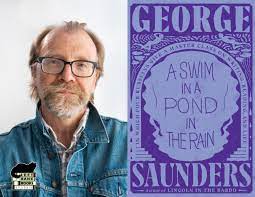 George Saunders’ recent book, A Swim in a Pond in the Rain, is the most enjoyable and enlightening book on literature I have ever read.
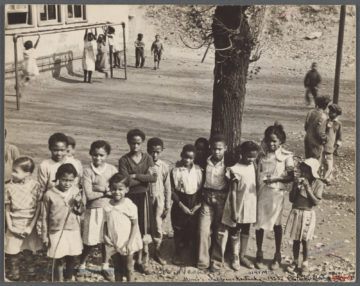

 It seems as if everyone in the wine industry proclaims that wine tasting is subjective. Wine educators encourage consumers to trust their own palates. “There is no right or wrong when tasting wine,” I heard a salesperson say recently. “Don’t put much stock in what the critics say,” said a prominent winemaker to a large audience when discussing the aromas to be found in a wine. The point is endlessly promoted by wine writers. Wine tasting is wholly subjective. There is no right answer to what a wine tastes like and no standards of correctness for judging wine quality.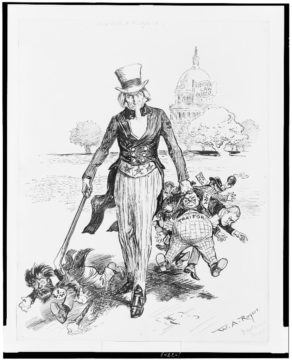
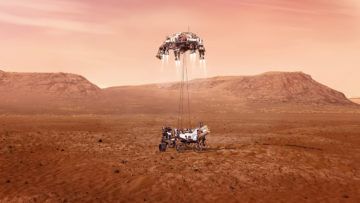 On February 18, 2021, NASA landed Perseverance rover on the surface of Mars. Perseverance is the latest of some twenty probes that NASA has sent to bring back detailed information about our neighboring planet, beginning with the Mariner spacecraft fly-by in 1965, which took the first closeup photograph. Though blurry by today’s standards, those grainy images helped ignite widespread wonder and fantasy about space exploration, not long before Star Trek also debuted on television. By the 1970s, science-fiction storytelling was moving from the margins of pop-culture into the mainstream in film and television—and so followed generations of kids, like myself, who grew up expecting off-world adventurism and alien encounters almost as much as we anticipated the invention of video-phones and pocket computers and household robots, as our conceptual bounds for the human story were pushed ever farther outward.
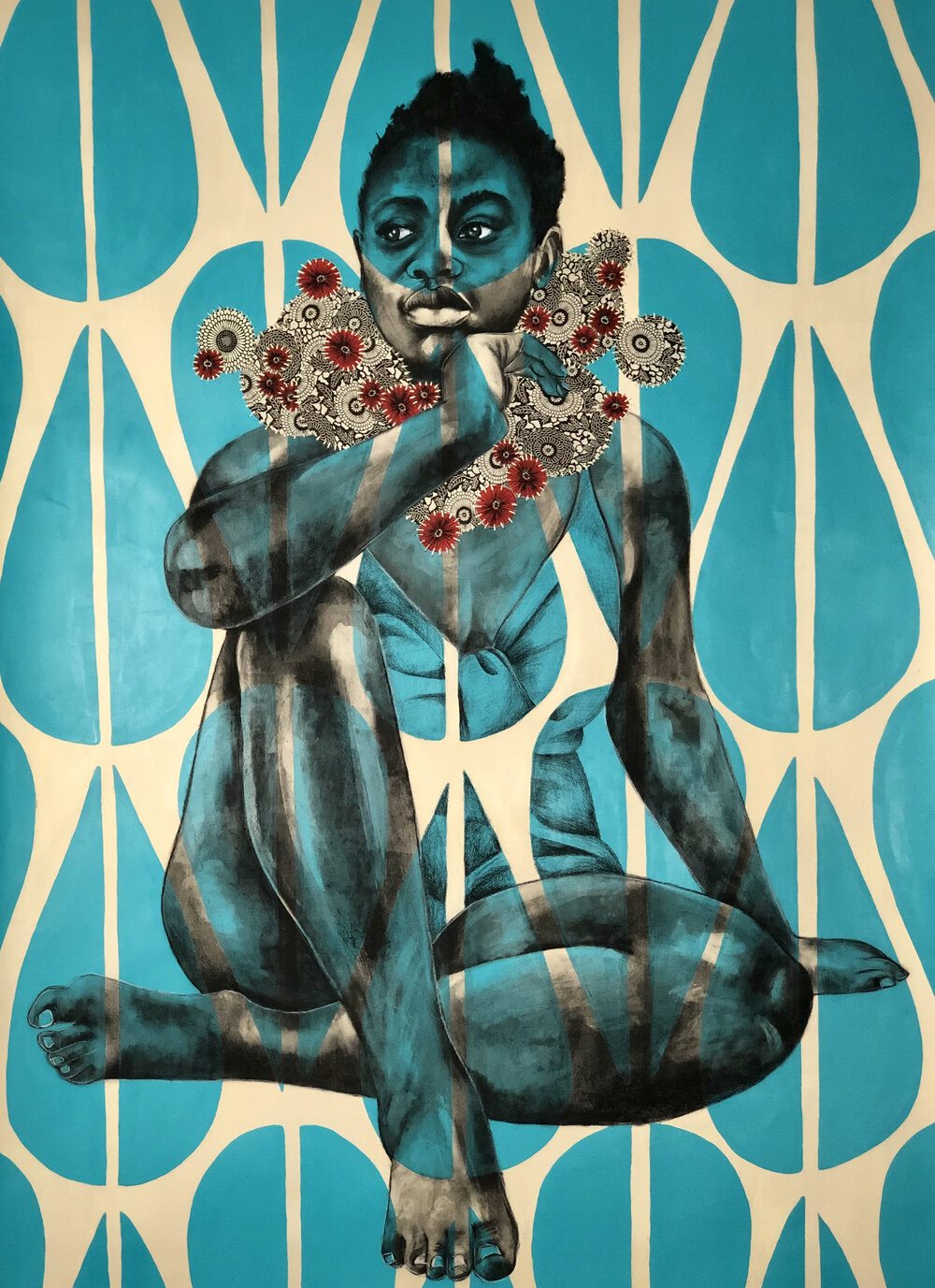 Delita Martin. Rain Falls From The Lemon Tree. 2020
 It’s been 40 years this past month since the election of François Mitterrand as President of France. Today, June 21, is the day chosen by his first Minister of Culture for the