
by Azra Raza
All of the articles in this series can be found here.
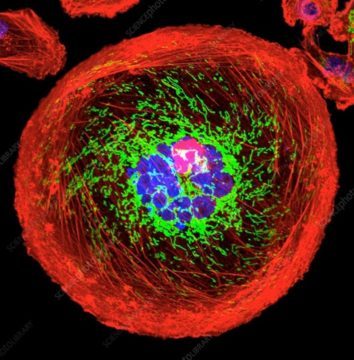 Ninety percent cancers diagnosed at Stage I are cured. Ninety percent diagnosed at Stage IV are not. Early detection saves lives. Unfortunately, more than a third of the patients already have advanced disease at diagnosis. Most die. We can, and must, do better. But why be satisfied with diagnosing Stage I disease that also requires disfiguring and invasive treatments? Why not aim higher and track down the origin of cancer? The First Cell. To do so, cancer must be caught at birth. This remains a challenging problem for researchers.
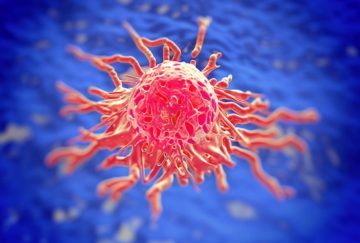
Cancer is a silent killer. To sight its diverse neonatal guises and behavior, we need to get more creative. Maybe change direction and look for the earliest stages of carcinogenesis in people who don’t have cancer yet but are at high risk of developing it. But what should we be looking for? Among many possibilities, one answer is Giant cells. This installment of the series on cancer is devoted to how, when and why these weird distended, strikingly abnormal looking gigantic cells appear in tumors and in the blood of cancer patients.
Giant cells: Hiding in plain sight
First identified in 1838 by Muller, and described with beautiful accompanying illustrations by Virchow in 1858, bloated giant cancer cells with many nuclei, have been regularly seen in tumors and labeled as dying or degenerating cells, incapable of dividing, and therefore of no importance. Besides, in fully formed cancers, they are extremely rare, close to negligible. Their number increases during relapse of cancer after treatment has destroyed the majority of tumor cells. Giant cells appear when there are no other cancer cells and disappear when cancer cells reappear.
A pair of coincidental happenings led me to conclude that cancer might originate in two cells that fuse and cooperate for mutual benefit, forming a Giant cell. Most likely, an exaggerated response to stress in the organ (infection, toxic exposure?). Read more »
 In the beginning, the god of the
 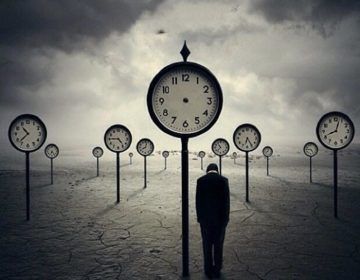 In long plane journeys I do not sleep well. But some years back in one such journey I was tired and fell fast asleep. When I woke up, I saw a little note on my lap. It was from the captain in charge of the plane. It said, “I did not want to disturb you, but from our computer log I could see that your total travel so far with our airlines group just crossed 3 million miles. So congratulations! It seems you travel almost as much as I do.” I made a quick calculation, 3 million miles is like 6 return trips from the earth to the moon. With a deep sigh I chanted to myself, as our plane was hurtling through the night sky, a word from an ancient Sanskrit hymn: Charaiveti (keep moving!)

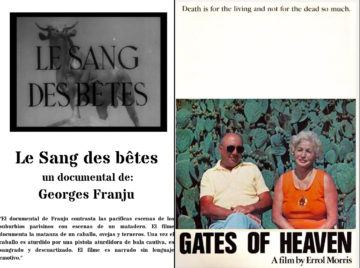 Blood of the Beasts (Le sang des bêtes)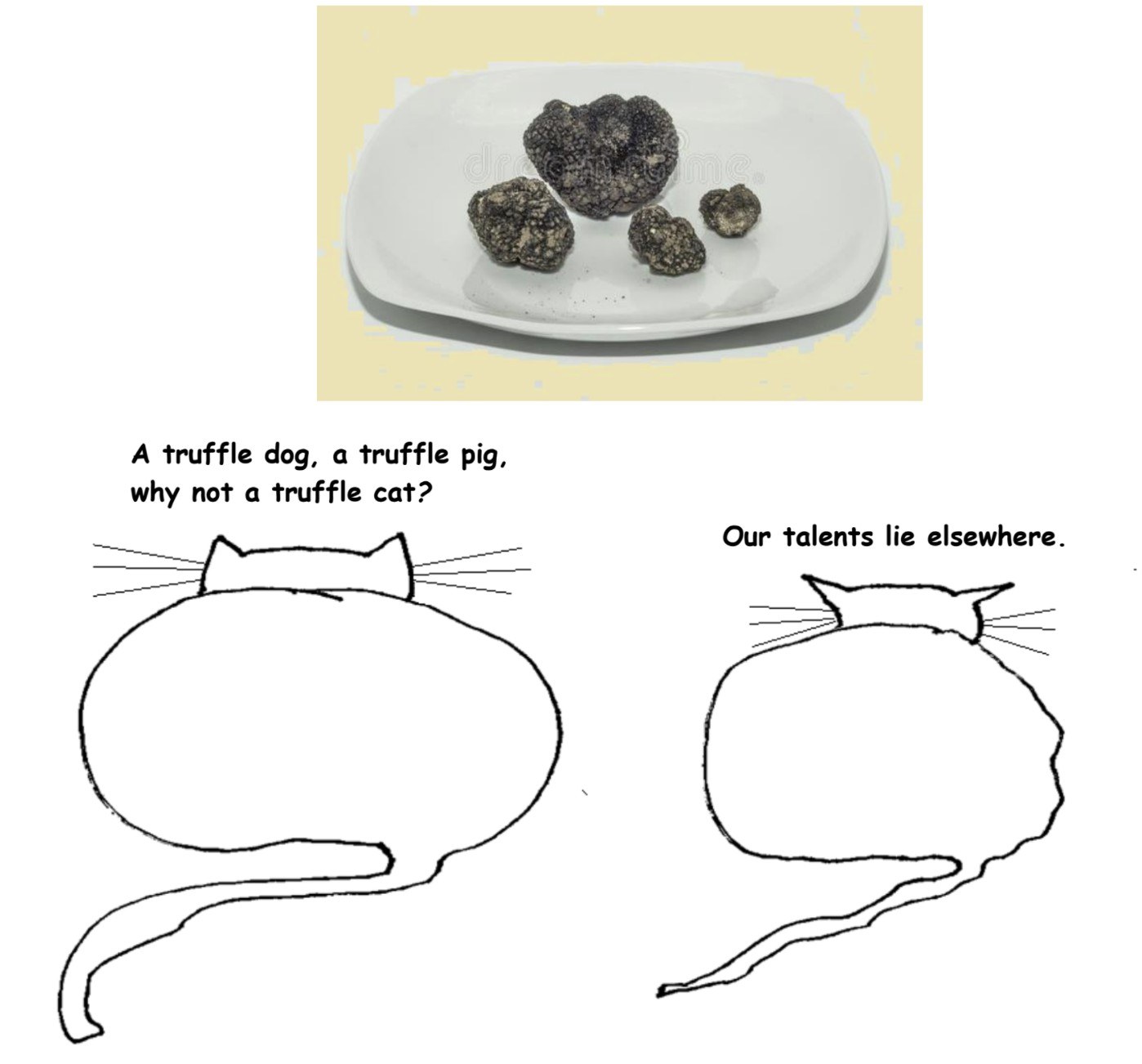
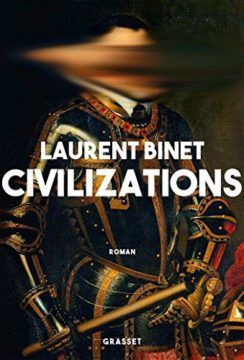 One of my oldest friends, an economic historian who serves as the Academic Director of a museum of Jewish life in northern Germany, is, like me, a child of May; and, during our recent birthday month, as is our custom, we exchanged gifts by post. Since we also share a love of books and history and a taste for grand, occasionally outlandish theory, as well as an abhorrence for futuristic science fiction, the novels we sent each other were in equal measures fantastical and backward-looking: examples of counterfactual historical fiction, what has come to be known as uchronia, the imaginative remaking of a bygone era that is the temporal counterpart to utopian geography.

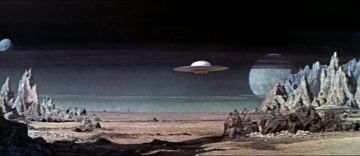
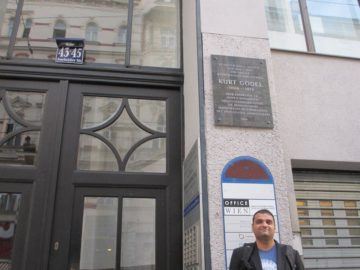
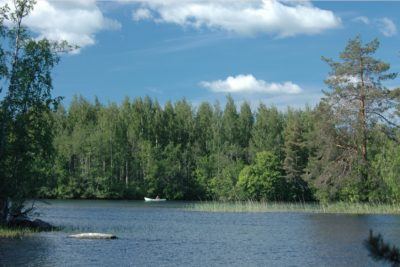 It wasn’t effortless but we managed to mollify, sidestep and defy enough authorities to be legally resident in Finland for the month of July. Never mind shoes and belts off and toothpaste in a plastic bag. No, do mind; do that too. But add PCR test results, Covid vaccination cards and popup, improvised airport queues. And a novel Coronavirus variant: marriage certificates on demand.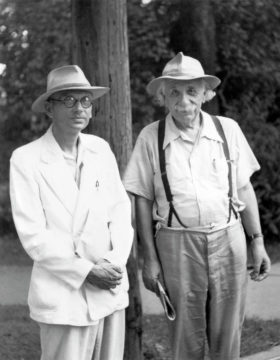
 Cancer has occupied my intellectual and professional life for half a century now. Despite all the heartfelt investments in trying to find better solutions, I am still treating acute myeloid leukemia patients with the same two drugs I was using in 1977. It is a devastating, demoralizing reality I must live with on a daily basis as my entire clinical practice consists of leukemia patients or leukemia’s precursor state, pre-leukemia. My colleagues, treating other and more common cancers, are no better off. I obsess over what I have done wrong and what the field is doing wrong collectively.
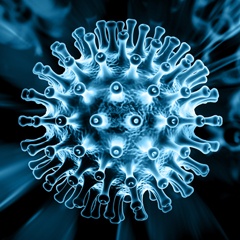 Covid-19 has led to various reactions akin to the various phases in the process of grieving.