by Mary Hrovat
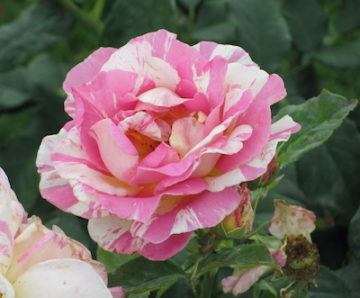 A rose is a rose is…well, you know. Botanically, a rose is the flower of a plant in the genus Rosa in the family Rosaceae. But roses carry the weight of so much symbolism that a rose is seldom only a rose.
Their symbolic luster is so intense that it casts an alluring light not only on the word rose itself but also on many of the phrases that contain it. A song called “The Last Zinnia of Summer” could never be as melancholy as “The Last Rose of Summer,” no matter how much you like zinnias. When I was a child and a teenager, I read a lot of things that I only half-understood. One of these was the phrase attar of roses, which had a mysterious and lovely sound to me. I eventually learned that it’s an essential oil made using damask roses—a beautiful common name for Rosa damascene. I had a vague impression of damask as a luxurious silky or satiny fabric, so I thought damask roses must have especially soft satiny petals, but in fact the species name was given to them because they were thought by some to be native to Damascus. The fabric is also named for Damascus, which was once an important producer and trade center for damasks.
There’s also a glow in my mind around concepts that are less directly related to roses. Rose gold is an alloy of gold with copper and perhaps silver; the phrase is especially luminous to me and reminds me of sunrise. Ashes of roses—another term I ran across in my early reading, and one that delights me still—describes a soft dusty pink color. Read more »


 By the time I started regular school my father’s home-schooling had prepared me enough to sail through the various half-yearly and annual examinations relatively easily. Indian exams, certainly then and to a large extent even now, do not test your talent or learning ability, they are mainly a test of your memorizing capacity and dexterity in writing coherent answers in a frantic race against time. I found out that I was reasonably proficient in both, and that it is for the lack of proficiency in these two qualities some of my friends, whom I considered highly imaginative and creative, were not doing so well in school.
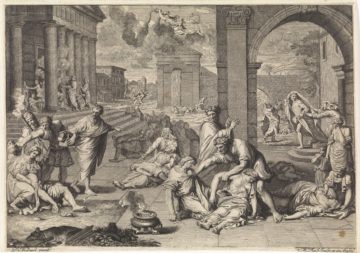
 Everyone agrees that early cancer detection saves lives. Yet, practically everyone is busy studying end-stage cancer.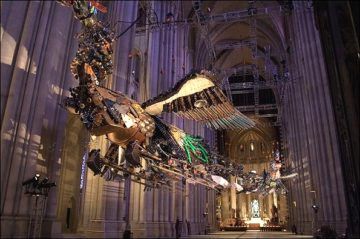
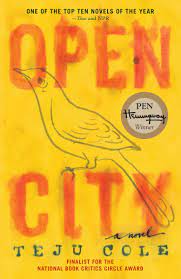 As an aspiring writer of fiction, I like to try and understand the mechanics of what I’m reading. I attempt to ascertain how a writer achieves a certain effect through the manipulation of language. What must happen for us to get “wrapped up” in a story, to lose track of time, to close a book and feel that the world has shifted ever so slightly on its axis? The first step, I think, is for writers to persuade readers to believe in the world of the story. In a first-person narrative, this means that the reader must accept the world of the novel as filtered through the subjective viewpoint of the narrator. But it’s not really the outside world that we are asked to accept, it’s the consciousness of the narrator. To create what I’m calling consciousness—basically, a feeling of being in the world—and to allow the reader to experience it is one of the joys of reading. But how does a writer achieve this mysterious feat?
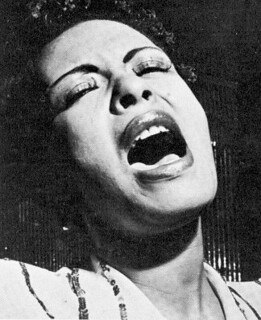 Following Hulu’s release of “The United States vs Billie Holiday”, the singer’s musical career has become a topic of discussion. The docu-drama is based on events in her life after she got out of prison in 1948, having served eight months on a set up drug charge. Now she was again the target of a campaign of harassment by federal agents. Narcotics boss Harry Anslinger was obsessed with stopping her from singing that damn song – Abel Meeropol’s haunting ballad “Strange Fruit”, based on his poem about the lynching of Black Americans in the South. Anslinger feared the song would stir up social unrest, and his agents promised to leave Holiday alone if she would agree to stop performing it in public. And, of course, she refused. In this particular poker game, the top cop had tipped his hand, revealing how much power Holiday must have had to be able to disturb his inner peace.
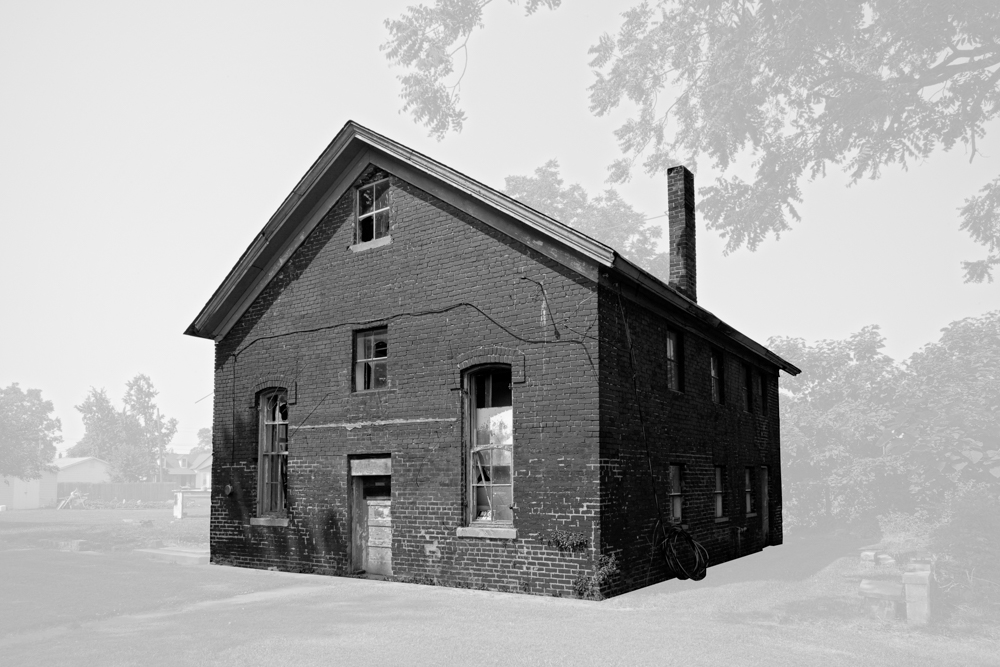 Wendel White. South Lynn Street School, Seymour, Indiana, 2007.