by Nicola Sayers

Clickety clack, clickety clack. All aboard the twilight train, a Scottish man with a deep voice announces over the sound of a train heading off into the night. This story is the only one on the Moshi app that I can happily listen to over and over as I wait for my kids to fall asleep. I lie on the floor of their bedroom and think of Before Sunrise, a movie that takes place mostly in Vienna but whose defining image is of the opening, the eroticism of the young couple’s meeting on the train; I think of the sweeping, freighted snowy train journey of Dr Zhivago; I think of Anna Karenina, standing defiantly on the train platform, and of her eventual death. I think, too, of the apartment in Chicago that I so miss, of the view, and the sound, of the L-train clattering loudly past the window at five minute intervals. And I think of a train journey I once took across Europe.
That they would use the sound of a train for a children’s bedtime story is unsurprising. It is repetitive, soporific. But to me, lying there, it is enlivening, as though I might myself just hop on board the twilight train and be transported right on out of here: away from this room, this moment, this world.
*
It was the end of the Christmas holidays a few years ago, and I was due to fly back from Stockholm to London, a flight I have taken dozens of times. The familiarity of this particular journey usually alleviates the mild fear of flying I sometimes suffer. Waiting at the gate I felt completely relaxed, and I boarded happily. But after boarding and sitting down in my seat for a few minutes I was hit, for whatever reason, by a paralysing fear. This was not something that I could breathe through; I had to get off the plane. So I sheepishly exited back down the jetway, watched by many curious eyes as I took refuge behind my escort, the flight attendant, like a celebrity might behind their bodyguard, or a criminal behind their captor. Cast back into the waiting area and left to my own devices, I uploaded a series of badly designed apps and began to plot an alternative route home from Arlanda airport to Oxford, England.
The story of my two day journey home across Europe is, I confess, an uneventful one. If it has anything to offer it is simply in the account of the minutes and hours that make up such a journey, and of the very particular ways in which travelling long distances by train today alters your sense of space and time. Read more »
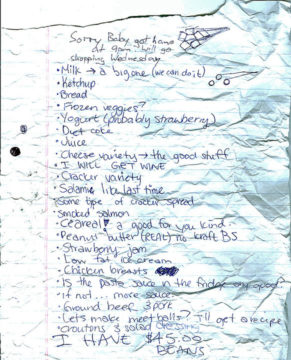
 My books are arranged more or less the way a library keeps its books, by subject and/or author, although I don’t use call numbers. I also have various piles of current and up-next and someday-soon reading. In addition, I have a loose set of idiosyncratic categories that guide my choice of what to read right now, out of several books I’m reading at any given time. I choose books for occasions the way more sociable people choose wines to complement their menus.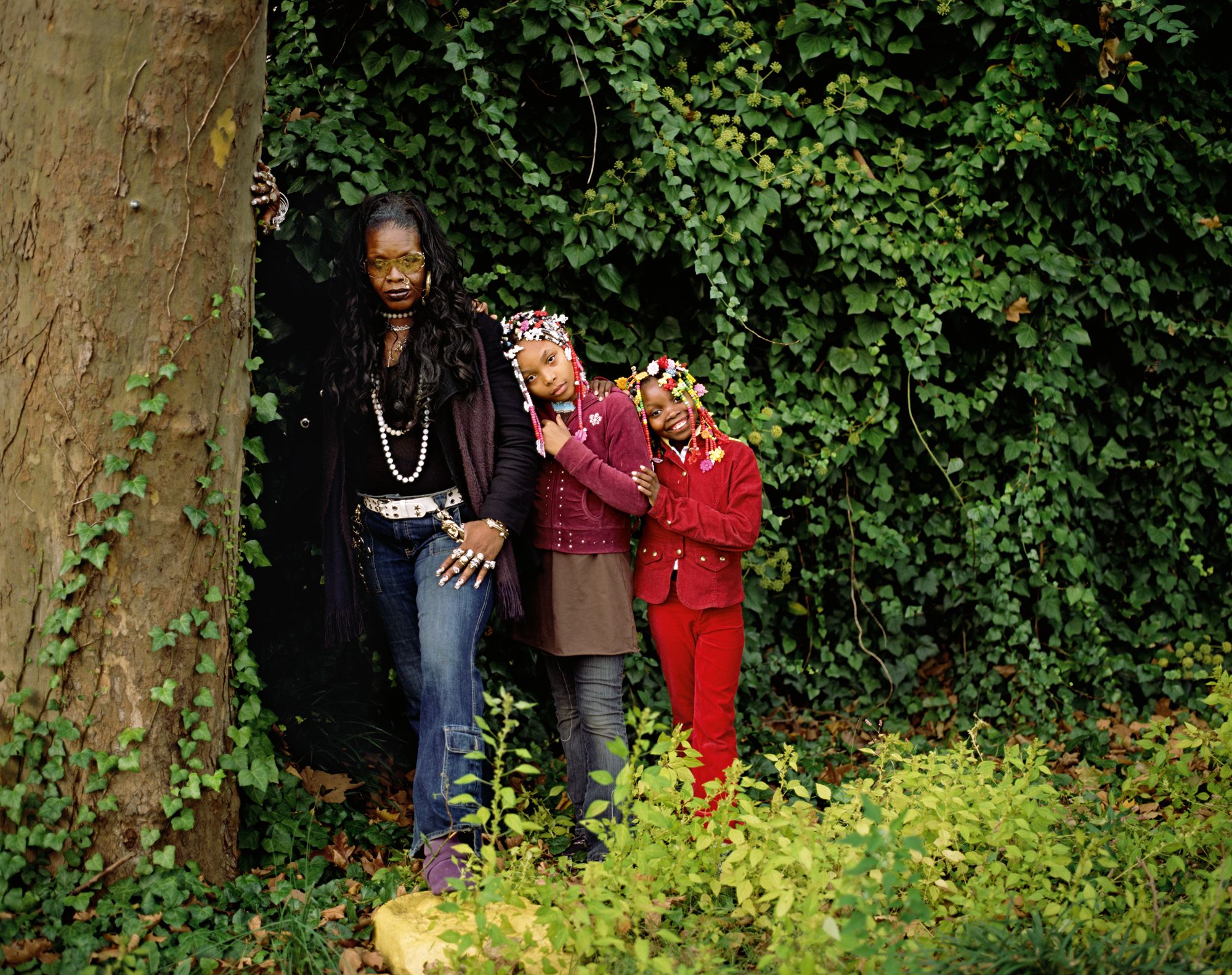


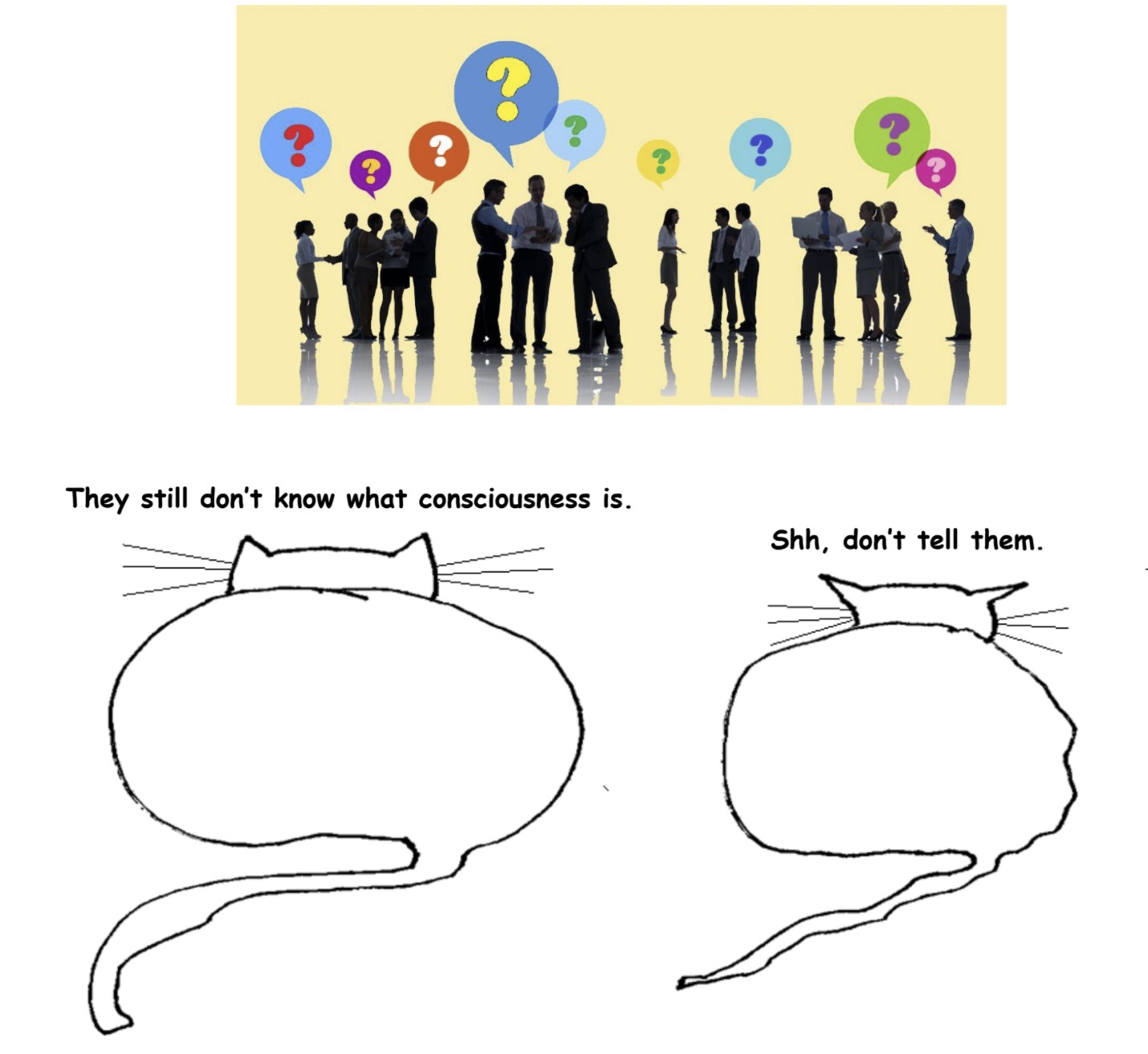




 There was another well-known economist who later claimed that he was my student at MIT, but for some reason I cannot remember him from those days: this was Larry Summers, later Treasury Secretary and Harvard President. Once I was invited to give a keynote lecture at the Pakistan Institute of Development Economics at Islamabad, and on the day of my lecture they told me that Summers (then Vice President at the World Bank) was in town, and so they had invited him to be a discussant at my lecture. After my lecture, when Larry rose to speak he said, “I am going to be critical of Professor Bardhan for several reasons, one of them being personal: he may not remember, when I was a student in his class at MIT, he gave me the only B+ grade I have ever received in my life”. When it came to my turn to reply to his criticisms of my talk, I said, “I don’t remember giving him a B+ at MIT, but today after listening to him I can tell you that he has improved a little, his grade now is A-“, and then proceeded to explain why it was not an A. The Pakistani audience seemed to lap it up, particularly because until then everybody there was deferential to Larry.
 What does it mean to say that everyone is equal? It does not mean that everyone has (or should have) the same amount of nice things, money, or happiness. Nor does it mean that everyone’s abilities or opinions are equally valuable. Rather, it means that everyone has the same – equal – moral status as everyone else. It means, for example, that the happiness of any one of us is just as important as the happiness of anyone else; that a promise made to one person is as important as that made to anyone else; that a rule should count the same for all. No one deserves more than others – more chances, more trust, more empathy, more rewards – merely because of who or what they are.
 Obviously, “Donald Trump” here is a placeholder for any political figure who one wishes to insult. But the joke raises an interesting question. What kind of work , if any, is shameful? And it also suggests a way of posing the question: viz. what kind of work might a child be ashamed to admit that their parents performed? This is an interesting dinner table conversation topic.