by Mike O’Brien
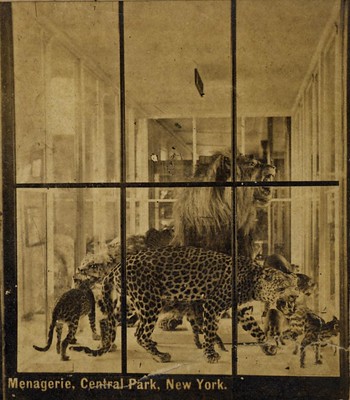
Potentiality and actuality, the difference between what is possible and what is… tout court. I think a lot about design and about the iterative steps between the first dim glimpses of a realized form, and its final perfection. The process itself is something sublime, impressive and compelling apart from its products. I’ve witnessed it in art, in philosophy, and occasionally in the editing of my own work. Something is trying to manifest itself, and rarely crosses over from the imagined to the sensed world perfectly without some struggle. Botched canvases. Blotted pages. Centuries of mostly wrong arguments, dialectically filtered and distilled. Whether or not the ideal is ever reached, the progress towards that limit is something to behold.
Of course, manifest reality is a rough and tumble affair, and instantiated possibilities do not always stay instantiated forever. Techniques are lost, texts crumble away, songs are forgotten. The fact that they did exist seems to carry a different weight than possibility that they could exist. There are books that don’t exist today because they were never written, and there are books that don’t exist because they were burned. Both absences make the world poorer than it could be (assuming that these books are of net positive value, as some are). Read more »
 Sometimes our American ideas about social problems and how to fix them are downright medieval, ineffective, and harmful. And even when our methods are ineffective and harmful, we are likely to stick to them if there is some moralistic taint to the issue. We are the children of Puritans, those refugees who came to America in the 17th century to escape King Charles.

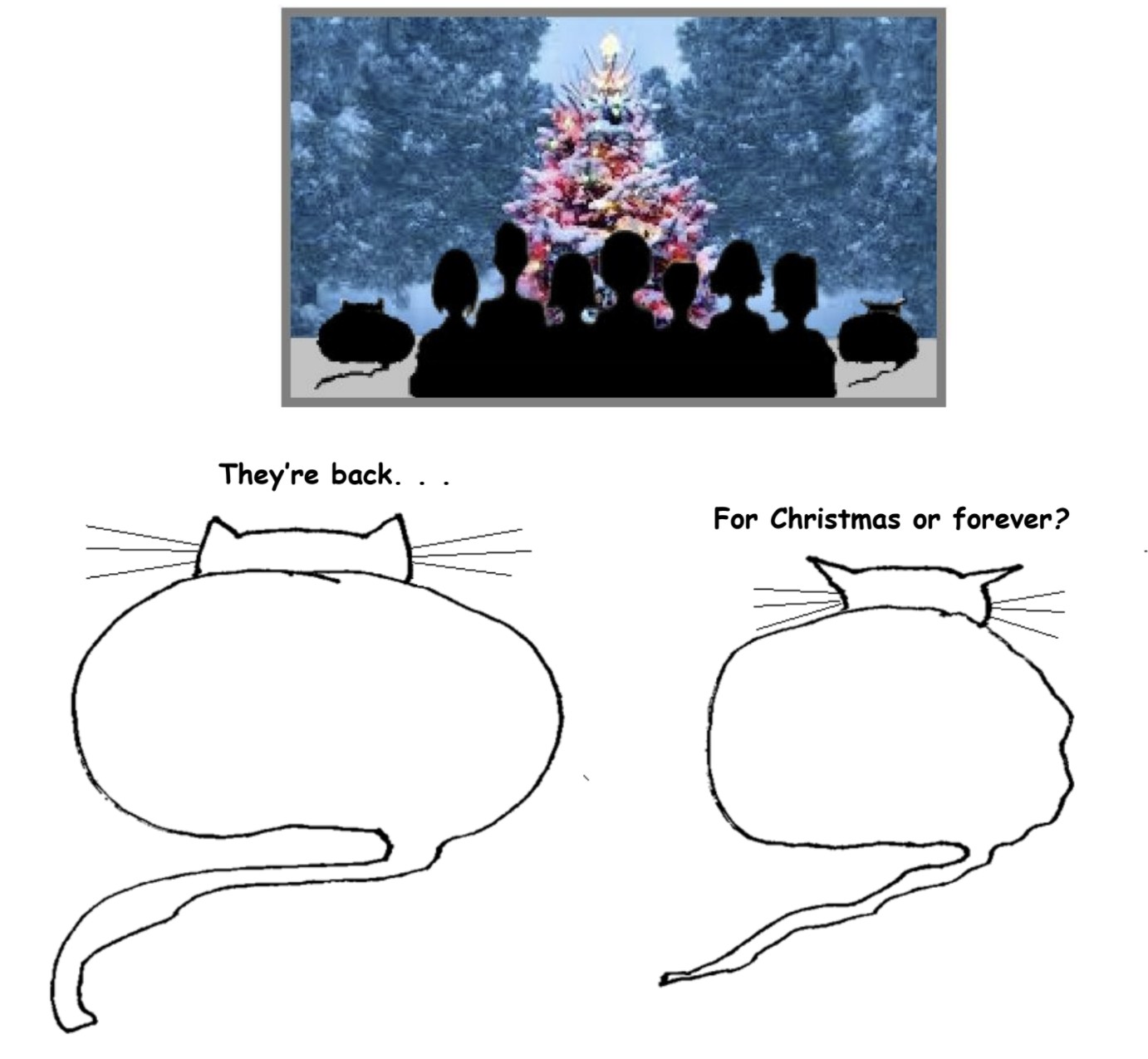
 One of my earliest memories was of Christmas Eve in 1954. I was about 3 or 4 years old, playing under a table at my grandmother’s house. My sister and a cousin were with me, playing with a small wooden crate filled with straw. The crate represents the manger in the stable in Bethlehem 1,954 years ago, where the animals welcomed the baby Jesus, since there were no rooms in the inn. We three kids were waiting for the adults to come to the table to join us for Wigilia, the traditional Christmas Eve feast, after which we would move to the living room, sing Polish Christmas Carols, and wait for an uncle disguised as Santa to arrive with presents for everyone.
 Over the years I have heard many stories about Mahalanobis. One relates to his youth. He and Sukumar Ray (Satyajit Ray’s father, a pioneer in Bengali literature of nonsense rhymes and gibberish) were the two contemporary Brahmo whiz kids active in literati circles. They used to arrange regular meetings at someone’s home for serious discussion. But as usually happens in such Bengali middle-class gatherings, much time was taken up in the serving and enjoyment of food delicacies. Mahalanobis objected to this and said this was leaving too little time for discussion. So he sternly announced that from now on no food should be served in the meeting. For the next couple of times people morosely accepted the rule. But Sukumar subverted it, by one time arriving a little early and persuading the food-preparers in the household (usually women) that for the sake of the morale in the meeting, food-serving should be resumed. By the time Mahalanobis arrived, everybody was relishing the delicacies, which infuriated him, but he gave up.

 Beauford Delaney. James Baldwin (Circa 1945-50).
 A couple of weeks ago, on the pages of this website,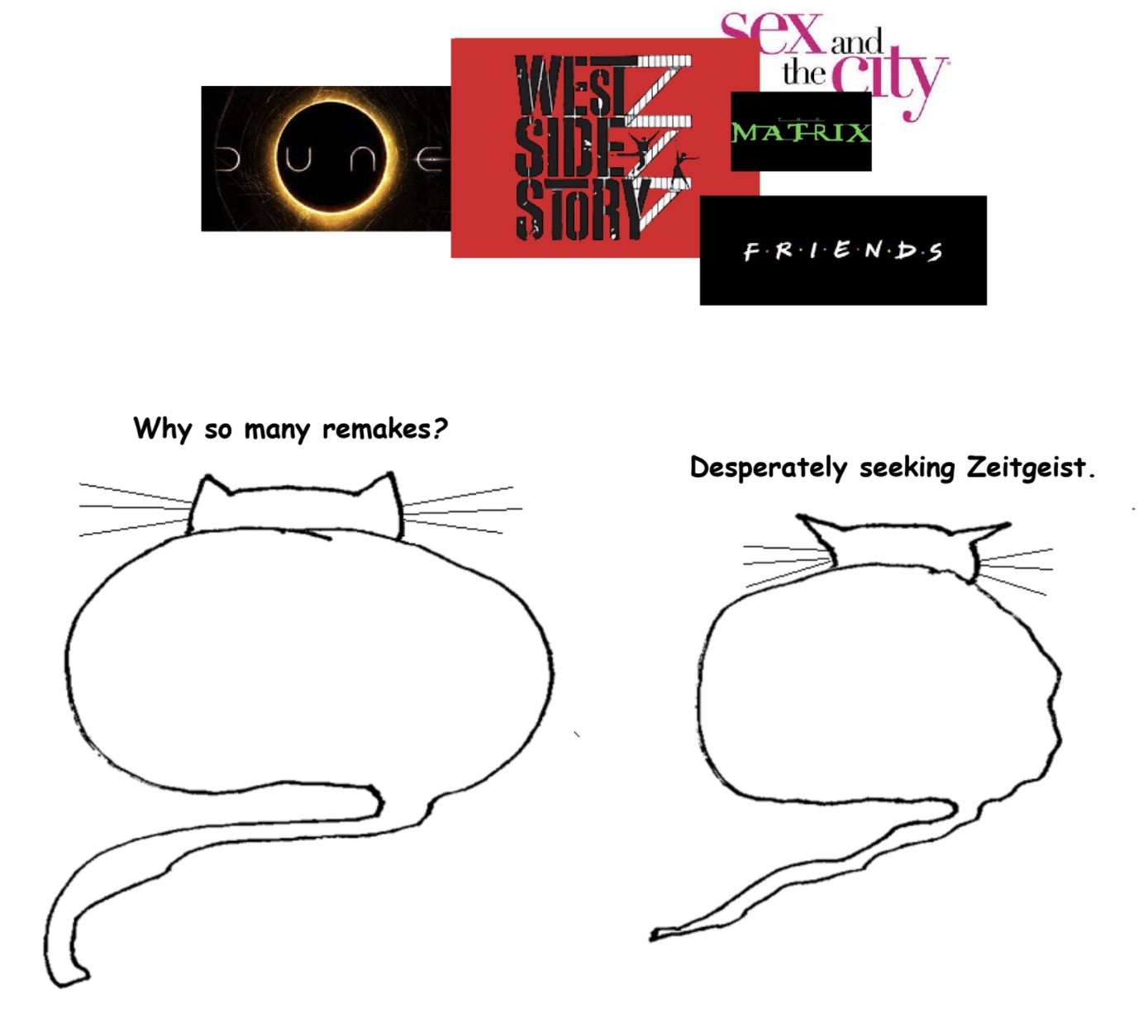
 One of those mysterious concepts that we use as a criterion for judging a novel or film is a “sense of place.” I call it mysterious because it’s so often poorly defined—we recognize it because we can feel it, but what goes into creating it? How can one go about transporting a reader, for example, into a time and place via text? I’m under the impression that if asked this question, most people would mention things like using the five senses to describe a character’s impressions of his or her surroundings, or providing detail via adjectives and adverbs. This may be a gross generalization, but it’s what I’ve gathered from my experience in creative writing courses. It’s also the sense I get from reading short stories in literary journals, which seem to be where aspiring writers publish their attempts at fiction. I often find this writing technically good, but lifeless; it has all the components of effective writing but doesn’t add up to anything compelling. I don’t mean to suggest that I could do better, but I do know what I enjoy reading and what I don’t.