
by R. Passov
After Steve Jobs hit his VP of development on the forehead, called him a stupid fuck, then stormed out of a meeting that had been set up to see George’s invention, everything changed.
The invention, George said, was on the motherboard. Dell and HP were buying 40 million so that no matter where you were in the world you could grab the local, over-the-air broadcast signal and with a little software, read the signal by the hardware, turning your computer into a TV.
By 2005, Jobs didn’t want anyone reaching out over the air. He wanted everyone to come through the Apple store. Apparently, neither his VP of development or George knew that. On its way toward bankruptcy, CrestaTech ate a fortune.
* * *
Back in the early 1990’s, before one of Sun Microsystems frequent purges forced me out, I shared an office with George and a fellow named Hung Gee. I came to understand something of what George labored on; learning the arc of his career from Daisy Systems – an innovator in microchip design tools – through to Sun where he managed a small corner of the Scalable Processor Architecture or SPARC Chip. As the geometry of microprocessors shrank, electrons traveled shorter distances. The non-intuitive result was to ask less of the hardware (the microprocessor) and more of the software.
Hung Gee was harder to pierce. George believes he can trace Hong Gee’s path to the parking lot of MIPS, another architectural innovator, and to the day in that parking lot when a man with the same name as Hong Gee shot his boss.
 Gérard Roland came to Berkeley only around the turn of this century. He grew up in Belgium, was a radical student, and after the student movements of Europe subsided, he supported himself for a time by operating trams in the city. When he was wooing his girlfriend (later wife), Heddy, she used to get a free ride in his trams. (A few years back when I visited them one summer in their villa in the Italian countryside near Lucca, Heddy told me in jest that those days she was content with a free tram ride, but now she needed a house in Tuscany to be placated). Gérard is also a good cook.
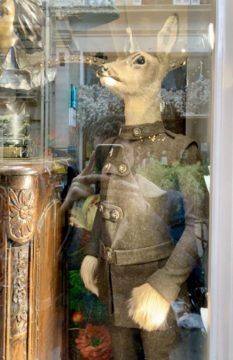 Every hour of every day I hear the pulsating rush of le Periph and I am reminded that Paris is dead. My dorm is at the very bottom of Paris such that if the city were a ball I’d be the spot that hits the ground. I sit in my windowsill. I watch cars drive on the highway in an unending flow, like blood in veins, fish in streams, but they’re all metal idols of life. Life does not go this fast. Life stops to take a rest.
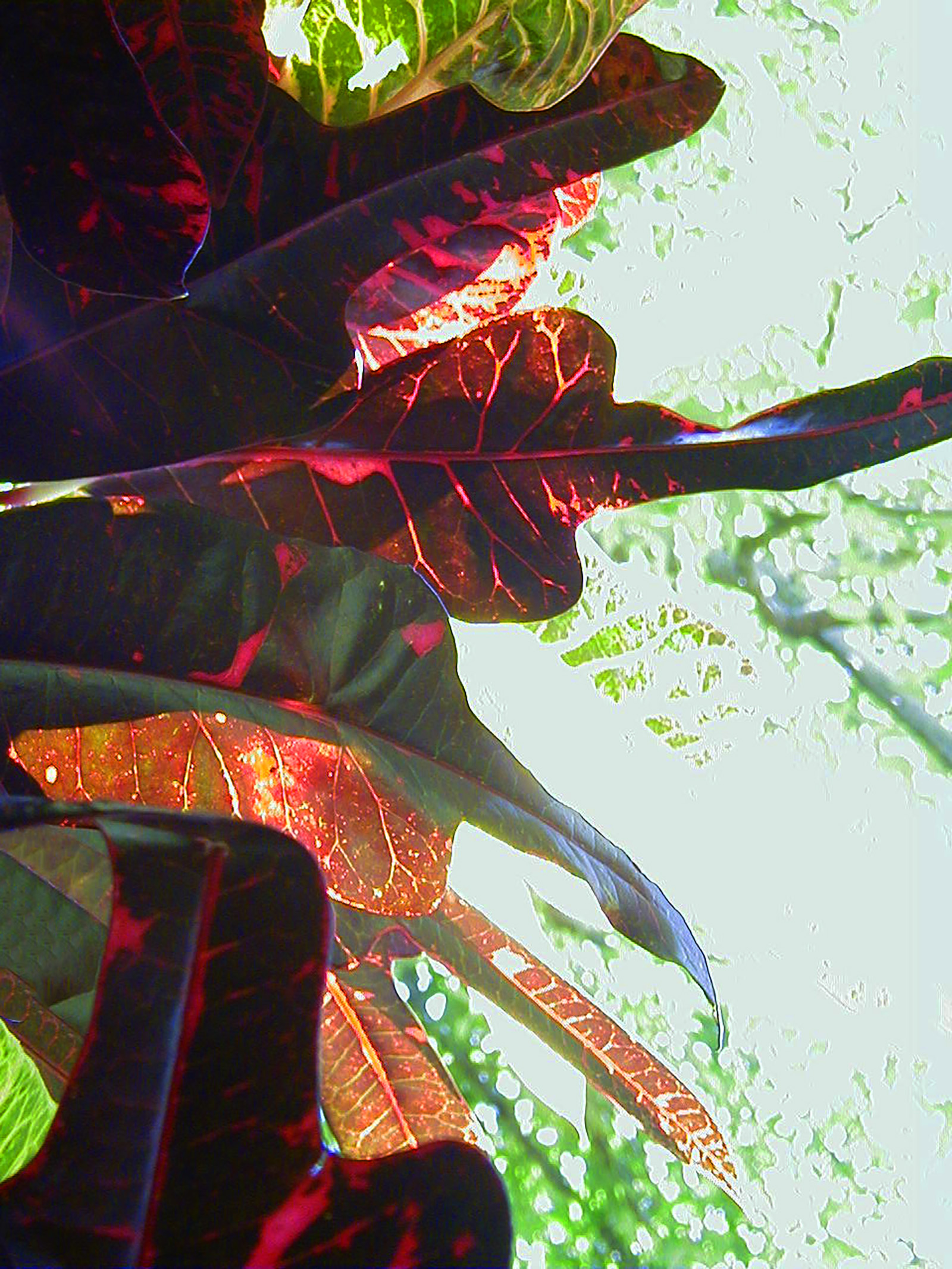 Sughra Raza. Color Burst, Costa Rica 2003.
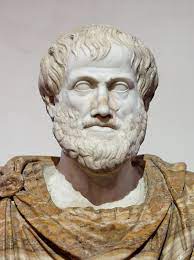 For many of the ancient philosophers that we still read today, philosophy was not only an intellectual pursuit but a way of life, a rigorous pursuit of wisdom that can guide us through the difficult decisions and battle for self-control that characterize a human life. That view of philosophy as a practical guide faded throughout much of modern history as the idea of a “way of life” was deemed a matter of personal preference and philosophical ethics became a study of how we justify right action. But with the recognition that philosophy might speak to broader concerns than those that get a hearing in academia, this idea of philosophy as a way of life


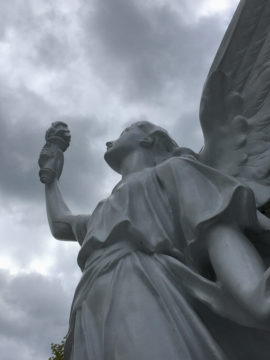



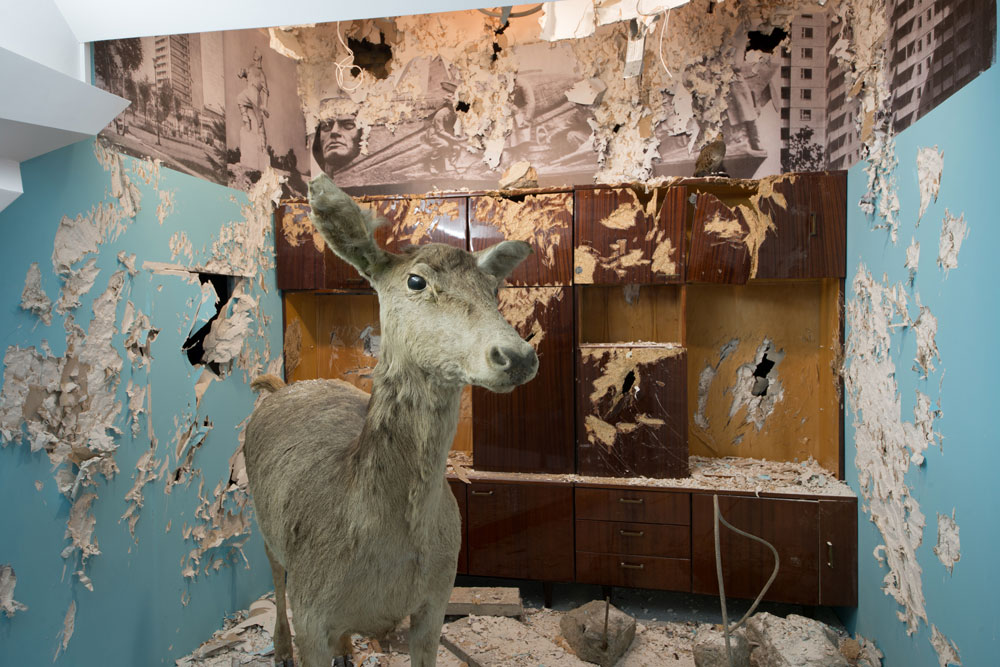 Nikita Kadan. Hold The Thought, Where The Story Was Interrupted, 2014.