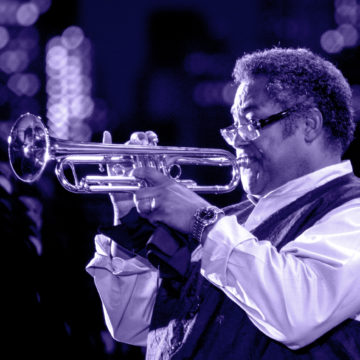
What is the blues? It is a mood, a feeling, a sensibility. Feeling blue. Feeling blue?
It is a musical form, existing in its own tradition, but also as a form within the jazz tradition. The latter is what this series article is about, the blues as it functions within the evolving context of jazz.
The blues is also an object of wonder, fascination, and mystery. Back in the middle of the 20th century some curious and well-meaning white folks went looking for the blues. Marybeth Hamilton wrote a book about their quest, In Search of the Blues:
Leadbelly, Robert Johnson, Charley Patton-we are all familiar with the story of the Delta blues. Fierce, raw voices; tormented drifters; deals with the devil at the crossroads at midnight.
In this extraordinary reconstruction of the origins of the Delta blues, historian Marybeth Hamilton demonstrates that the story as we know it is largely a myth. The idea of something called Delta blues only emerged in the mid-twentieth century, the culmination of a longstanding white fascination with the exotic mysteries of black music.
Hamilton shows that the Delta blues was effectively invented by white pilgrims, seekers, and propagandists who headed deep into America’s south in search of an authentic black voice of rage and redemption. In their quest, and in the immense popularity of the music they championed, we confront America’s ongoing love affair with racial difference.
That’s from the publisher’s blurb. It sounds about right, though I’ve not read the book. I’ve read other books. I know a thing or two. In 1966 a man named Charlie Keil published Urban Blues. It blew the doors off that myth. Read more »
 Gérard Roland came to Berkeley only around the turn of this century. He grew up in Belgium, was a radical student, and after the student movements of Europe subsided, he supported himself for a time by operating trams in the city. When he was wooing his girlfriend (later wife), Heddy, she used to get a free ride in his trams. (A few years back when I visited them one summer in their villa in the Italian countryside near Lucca, Heddy told me in jest that those days she was content with a free tram ride, but now she needed a house in Tuscany to be placated). Gérard is also a good cook.
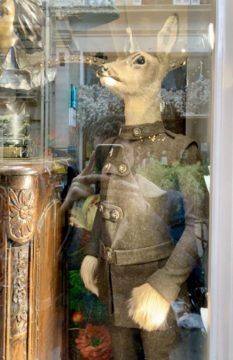 Every hour of every day I hear the pulsating rush of le Periph and I am reminded that Paris is dead. My dorm is at the very bottom of Paris such that if the city were a ball I’d be the spot that hits the ground. I sit in my windowsill. I watch cars drive on the highway in an unending flow, like blood in veins, fish in streams, but they’re all metal idols of life. Life does not go this fast. Life stops to take a rest.
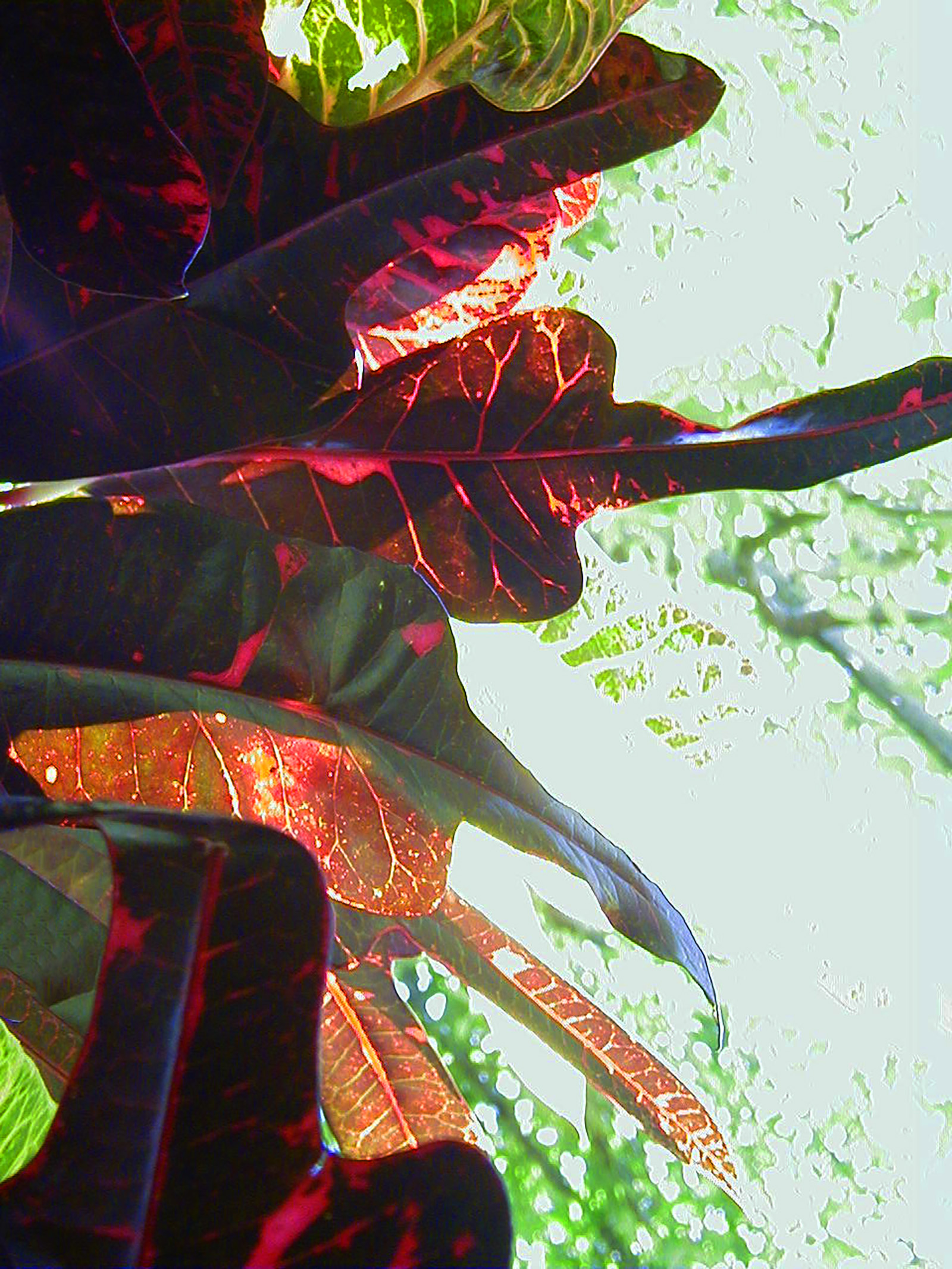 Sughra Raza. Color Burst, Costa Rica 2003.
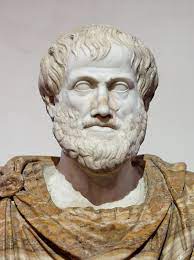 For many of the ancient philosophers that we still read today, philosophy was not only an intellectual pursuit but a way of life, a rigorous pursuit of wisdom that can guide us through the difficult decisions and battle for self-control that characterize a human life. That view of philosophy as a practical guide faded throughout much of modern history as the idea of a “way of life” was deemed a matter of personal preference and philosophical ethics became a study of how we justify right action. But with the recognition that philosophy might speak to broader concerns than those that get a hearing in academia, this idea of philosophy as a way of life
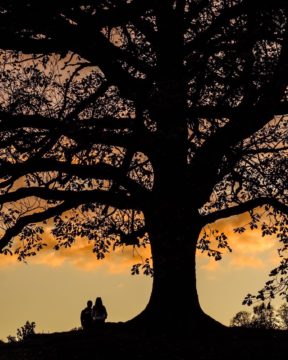
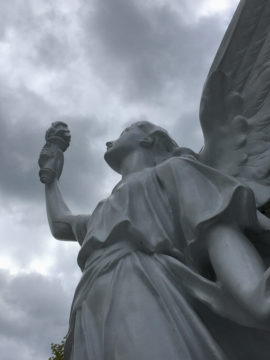



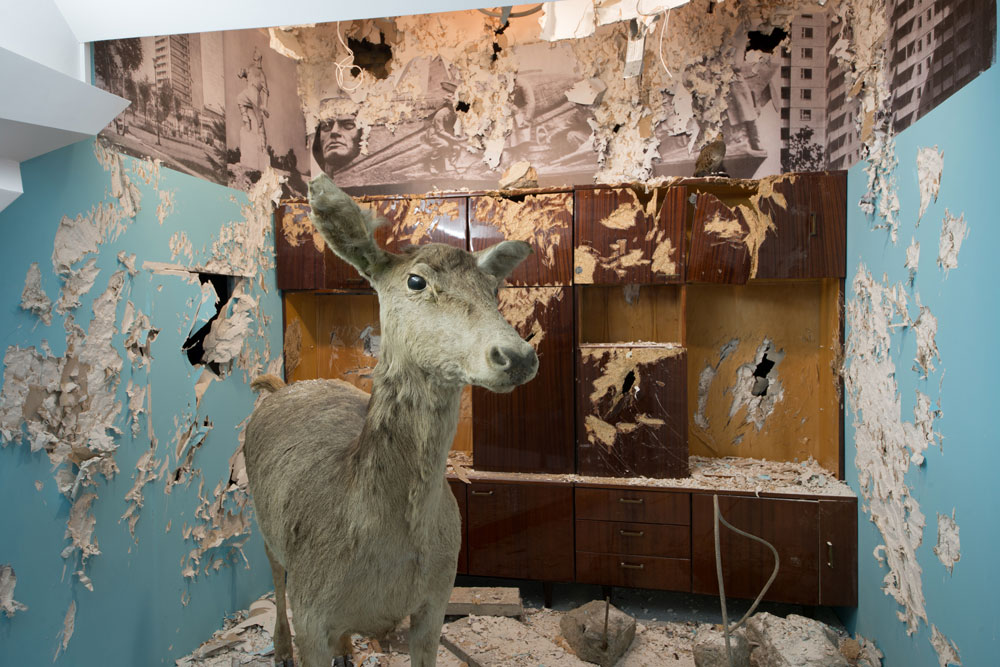 Nikita Kadan. Hold The Thought, Where The Story Was Interrupted, 2014.