by Terese Svoboda
Hitler and My Mother-in-Law is a memoir I’m writing about Patricia Lochridge, the only female reporter at both WWII theaters who “identified” Hitler’s ashes. The book is all about those quotes, that is to say, what’s between propaganda, truth and lies in war and family. This excerpt reveals how she appropriated a Cranach.
***
 In June 1945, the American military appointed twenty-nine-year old Pat Lochridge mayor of Berchtesgaden, the tiny fairytale Bavarian town near the Austrian border crowded by Alps, where three thousand feet up, Hitler built his Eagle’s Nest retreat. “It is the intention of the Allies that the German people be given the opportunity to prepare for the eventual reconstruction of their life on a democratic and peaceful basis,” wrote the Allies at Potsdam. [i] In Germany, this was a nuanced and difficult task, with the defeated angry populace on the brink of starvation. “You can be the first American woman in the military government of Germany. I warn you, however, it’s a tough assignment,” said Lieutenant Colonel Robert S. Smith of the 101st Airborne Division, according to “I Governed Berchtesgaden,” the article Pat published in July’s Woman’s Home Companion.[ii] “No gag, honest” reads the headline. The first and only civilian to be given such authority, she was to show the human side of responsibly governing the country postwar.
You can imagine “the enormous inlaid desk” with not-so-tall Pat seated in a sturdy chair behind it, cap straight, hair over her ears, a stack of documents, a sharpened pencil and Captain di Piero at her side, a “tough paratrooper” who “wigwagged the right answers whenever a problem came up.”[iii] There were problems. During and immediately after the surrender, German guerrilla units worked to sabotage facilities, Nazi agents in US uniforms raped and murdered to incite rebellion against Allied troops, and new recruits, some women, but the majority teenage boys, pillaged and robbed the many homeless. In France, women who’d slept with Germans were put on parade but had to be protected to prevent the crowds from tearing them to shreds.[iv] And the occupying forces had to be kept out of trouble. Leonard Rapport, chronicler for the 101st Airborne, particularly known for their fighting during Battle of the Bulge, was also noted for its ability to have a good time. “Indeed, it was a social error to be caught without a corkscrew in Berchtesgaden,” writes Rapport.[v]
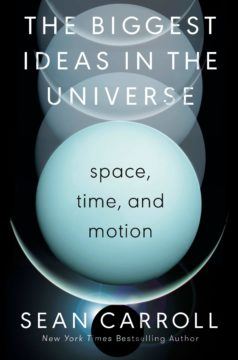 Physicists writing books for the public have faced a longstanding challenge. Either they can write purely popular accounts that explain physics through metaphors and pop culture analogies but then risk oversimplifying key concepts, or they can get into a great deal of technical detail and risk making the book opaque to most readers without specialized training. All scientists face this challenge, but for physicists it’s particularly acute because of the mathematical nature of their field. Especially if you want to explain the two towering achievements of physics, quantum mechanics and general relativity, you can’t really get away from the math. It seems that physicists are stuck between a rock and a hard place: include math and, as the popular belief goes, every equation risks cutting their readership by half or, exclude math and deprive readers of a deeper understanding. The big question for a physicist who wants to communicate the great ideas of physics to a lay audience without entirely skipping the technical detail thus is, is there a middle ground?
 Sughra Raza. Self-portrait in Reflected Morning Light, August 2, 2022.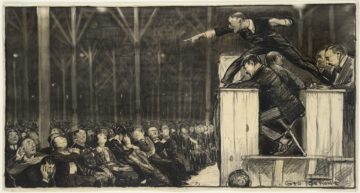
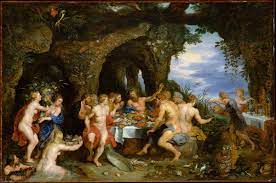 If philosophy is not only an academic, theoretical discipline but a way of life, as many Ancient Greek and Roman philosophers thought, one way of evaluating a philosophy is in terms of the kind of life it entails.
 It’s still such a strange time as regards the Covid-19 pandemic. Most governments have lifted restrictions and lockdowns. However, new variants are still emerging and far too few people have been vaccinated globally to lend confidence for the health crisis’s resolution. With this in mind, I’ve been reading
  The Welcome Center museum isn’t exceptionally well-known. I often hear variations of the same phrase: “Oh, I’ve been coming to Breckenridge for years and never knew there was a museum back here!” It does get a lot of foot traffic, though, because (as its name implies) it is in the back of the Welcome Center building.
 After LSE I have seen Jean Drèze mostly in India, usually in conferences in Delhi and Kolkata, and at Amartya Sen’s home in Santiniketan (where he used to stay whenever the two of them were writing books together). The Kolkata conferences were the annual ones that Amartya-da used to organize for some years, held usually at the Taj Bengal five-star hotel, which Jean would refuse to stay in. While others would take the 2-hour flight from Delhi to Kolkata, Jean would take the 24-hour train in the crowded second-class compartment. Then he’d call me and often stay with me in my Kolkata apartment. If Kalpana was around and it was winter she’d warm the bath water for him and arrange a comfortable raised bed for him; but Jean would refuse even those minor luxuries, and insist on taking cold showers and sleeping on the floor.
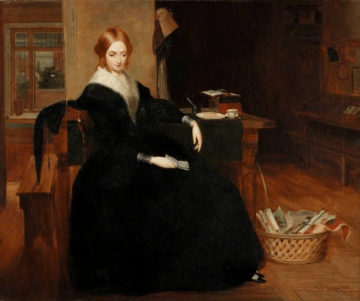 A little while ago my friend Bethany requested that I write an essay on the following topic: “Can/should pedantry be reconstituted as a virtue, maybe particularly for women.” I filed it away on my list of possible future essay ideas, but like a
 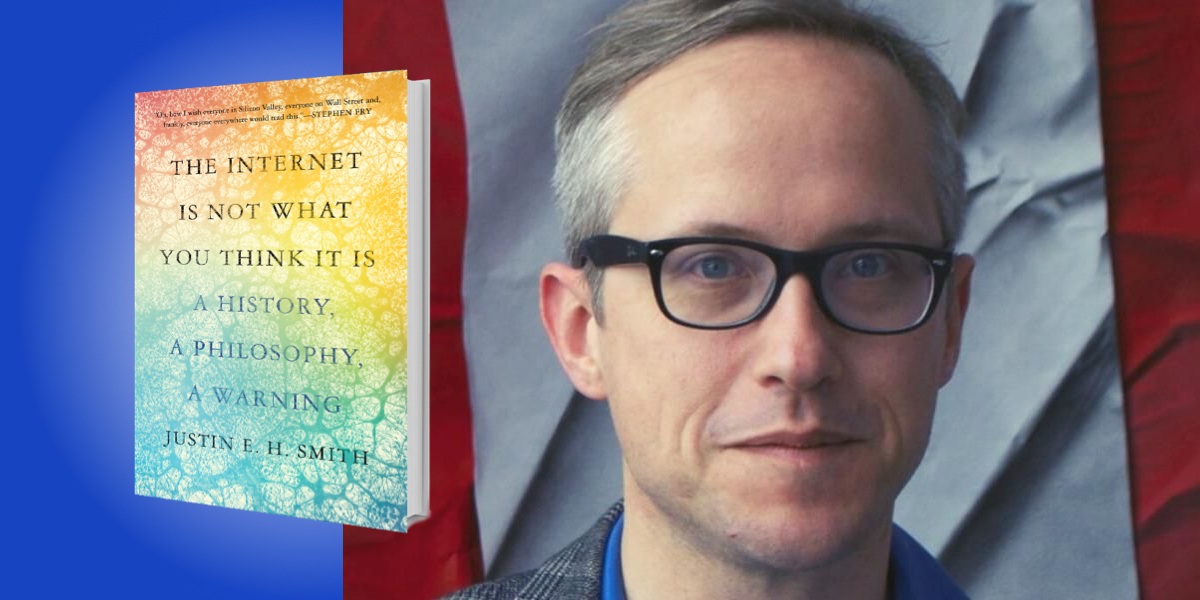 Justin E. H. Smith’s recent book,
  I’m not sure what Americans were like in the 18th and 19th century, but they have to have been a lot tougher, less whining, less self-important and paradoxically more exceptional without thinking they were exceptional than Americans of today.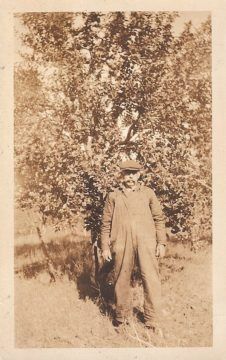
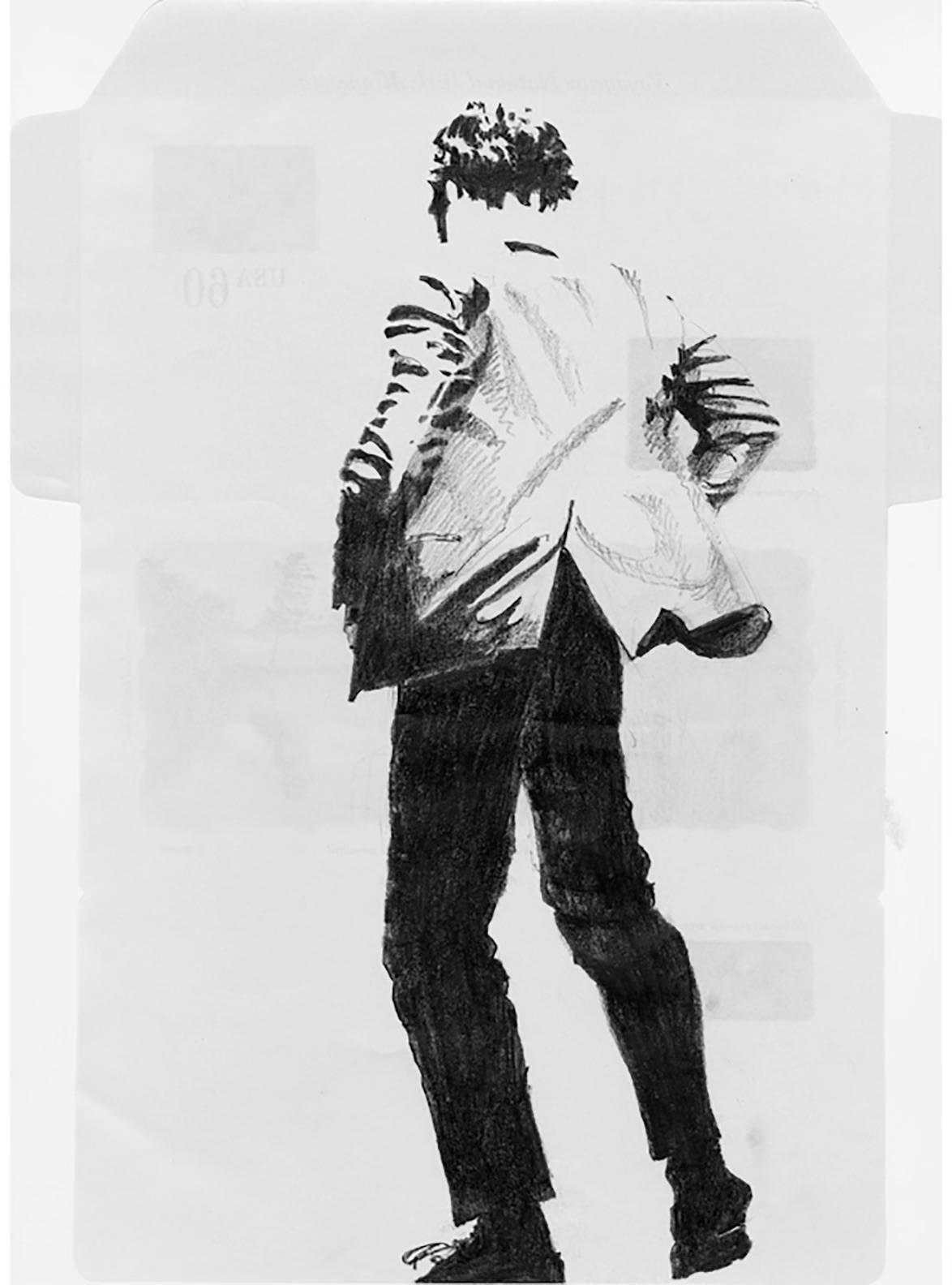 Sughra Raza. Untitled, ca 2008.