
Music as a prelude to Jerry Seinfeld
I started trumpet lessons when I was ten years old or so. After about two years or so my lessons were drawn from Jean-Baptiste Arban’s Complete Conservatory Method for Trumpet, which dates from the middle of the 19th century and is the central method book in ‘legit’ trumpet pedagogy. Near the end, before a series of virtuoso solos, I read words which, in retrospect, are at the center of my interest in Jerry Seinfeld’s observations on his craft. Arban observed:
There are things which appear clear enough when uttered viva voce but which cannot be committed to paper without engendering confusion and obscurity, or without appearing puerile.
There are other things of so elevated and subtle a nature that neither speech nor writing can clearly explain them. They are felt, they are conceived, but they are not to be explained; and yet these things constitute the elevated style, the grande ecole, which it is my ambition to institute for the cornet, even as they already exist for singing and the various kinds of instruments.
What, you may ask, does this grande ecole have to do with standup comedy? Everything and nothing.
Cool your jets. Read more »

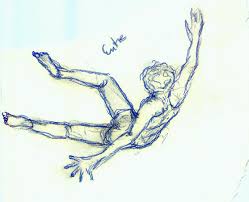
 It’s Monday, 1:45, and six men and I sit in a circle with our German-trained psychotherapist, an imperious woman who reminds us that she is here to help only if we get bogged down or offer guidance and that we men need to find our own way through our turmoil, which is the point of the group and the point of each of us paying $3000 per year. I’m fairly new, so before I speak, I’m seeking some level of comfort or commonality among us, and every week I come up short. I’m not yet adjusted and unsure what I should be adjusting to.
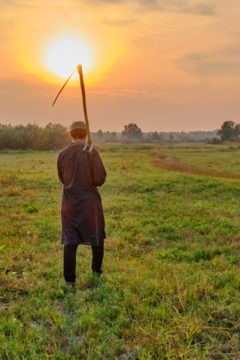 We are entering the aftermath. Two of the most epic and wrenching struggles in American history are finally playing out to their conclusions. At last we see a conclusive democratic rejection of a presidency built on systematic lying and racism. At the same time we look just weeks or months ahead for vaccines that will liberate us from our deadly yearlong pandemic.
 A Task for the Left

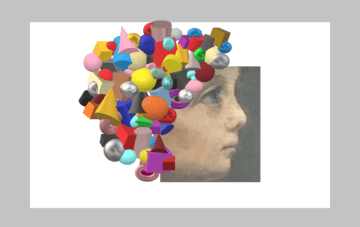 The first time I ever left home without leaving home I was twelve years old, recently back from a winter trip to Mexico. Routinely sent to bed at 8 pm (my parents were old and old-fashioned), always wondering how to fill the inevitable two hours of insomnia, I opted to return to Mexico, not as the sleepless chiquita that I was, but as the fierce guerilla chief I would become in the narrative, leading a band of outlaw Aztecs in raids against a host of injustices from base camp in a desert. No precedents existed for my leadership skills in real life, but within the carefully sculpted storyline of the daydream, I was both charismatic and respected, not merely proficient but also inspired, a warrior queen to rival any Amazon.
 In the summer of 2000, after completing my bachelor’s degree in engineering, I had to decide where to go next. I could either take up a job offer at a motorcycle manufacturing plant in south India, or I could, like many of my college friends, head to a university in the United States. Most of my friends had assistantships and tuition waivers. I had been admitted to a couple of state universities but did not have any financial support. Out a feeling that if I stayed back in India, I’d be ‘left behind’ – whatever that meant: it was only a trick of the mind, left unexamined – I took a risk, and decided to try graduate school at Arizona State University. I hoped that funding would work out somehow.
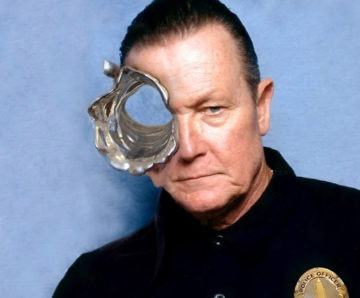 One of the most interesting and memorable characters in sci-fi films is the

 Bisa Butler. The Safety Patrol. 2018.