by Chris Horner
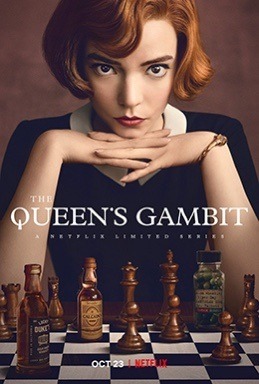 Two series have been streaming recently, to considerable success – The Queen’s Gambit (a Netflix miniseries, now concluded) and Succession (HBO, two series so far and more planned). They are interesting for a number of reasons – both for what they show, and perhaps more for what they do not, possibly cannot, show. So let’s consider some of the things we see and don’t see. I’m not going to recount the plot of either of them, as you can get that from Wikipedia and plenty of other places. But: spoiler alert: some will be divulged. Let’s look first at The Queen’s Gambit.
The Queens Gambit‘s success has been enormous. The acting and ‘look’ of the lead -Anya Joy-Taylor – is clearly an important part of it. She even looks on occasion like some elegant chess piece come to life in a Lewis Carroll kind of way. The production values and the way the plot steers away from some (not all!) expected outcomes is also relevant. The theme of success via struggle, including those against ‘inner demons’ isn’t new, but this film (based on a 1980s novel) handles them in an interesting way. But what is this series about? Here are a few suggestions about the world of TQG and what it seems to be saying.
I. TQG is a meticulously crafted fantasy, with many fairytale elements. It has many of the features of a quest/trial story, modified via contemporary psychological and social themes. It even has a ‘helper’ (Jolene) who steps in to give the hero the means she needs to overcome her last trial. It is also a bildungsroman – about how one becomes an adult, or successful self. The themes of mental illness, addiction and abandonment could not be more timely. Read more »




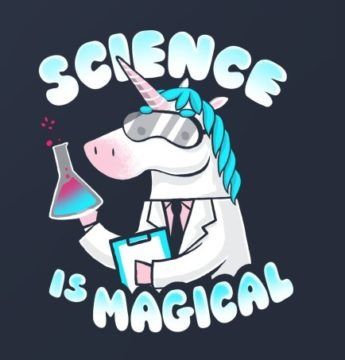 I think it is fair to say that we usually see science and magic as opposed to one another. In science we make bold hypotheses, subject them to rigorous testing against experience, and tentatively accept whatever survives the testing as true – pending future revisions and challenges, of course. But in magic we just believe what we want to be true, and then we demonstrate irrational exuberance when our beliefs are borne out by experience, and in other cases we explain away the falsifications in one way or another. Science means letting what nature does shape what we believe, while magic means framing our interpretations of experience so that we can keep on believing what feels groovy.



 Let me recommend a New Year resolution, in case you don’t have one yet: Be nicer to people you disagree with.

 The German language is famous for its often long compound words that combine ideas to neatly express in a single word complex notions. Torschlusspanik, (gate-shut-panic), for instance, referred in medieval times to the fear that one was not going to make it back into the city before the gates closed for the night, and now signifies the worry, common among middle aged people, that the opportunities for accomplishing one’s dreams are disappearing for good. Backpfeifengesicht, sometimes translated as “face in need of a fist”, means a face that you feel needs slapping.