
by Ashutosh Jogalekar
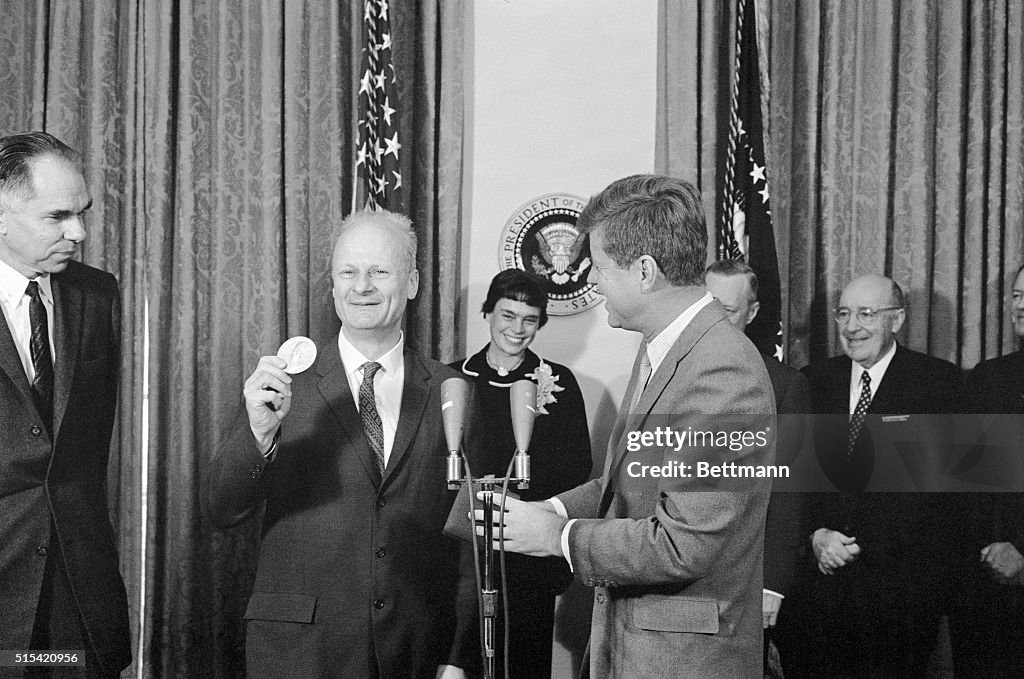
John von Neumann emigrated from Hungary in 1933 and settled in Princeton, NJ. During World War 2, he contributed a key idea to the design of the plutonium bomb at Los Alamos. After the war he became a highly sought-after government consultant and did important work kickstarting the United States’s ICBM program. He was known for his raucous parties and love of children’s toys.
Enrico Fermi emigrated from Italy in 1938 and settled first in New York and then in Chicago, IL. At Chicago he built the world’s first nuclear reactor. He then worked at Los Alamos where there was an entire division devoted to him. After the war Fermi worked on the hydrogen bomb and trained talented students at the University of Chicago, many of whom went on to become scientific leaders. After coming to America, in order to improve his understanding of colloquial American English, he read Li’l Abner comics.
Hans Bethe emigrated from Germany in 1935 and settled in Ithaca, NY, becoming a professor at Cornell University. He worked out the series of nuclear reactions that power the sun, work for which he received the Nobel Prize in 1967. During the war Bethe was the head of the theoretical physics division of the Manhattan Project. He spent the rest of his long life working extensively on arms control, advising presidents to make the best use of the nuclear genie he and his colleagues had unleashed, and advocating peaceful uses of nuclear energy. He was known for his hearty appetite and passion for stamp collecting.
Victor Weisskopf, born in Austria, emigrated from Germany in 1937 and settled in Rochester, NY. After working on the Manhattan Project, he became a professor at MIT and the first director-general of CERN, the European particle physics laboratory that discovered many new fundamental particles including the Higgs boson. He was also active in arms control. A gentle humanist, he would entertain colleagues through his rendition of Beethoven sonatas on the piano.
Von Neumann, Fermi, Bethe and Weisskopf were all American patriots. Read more »
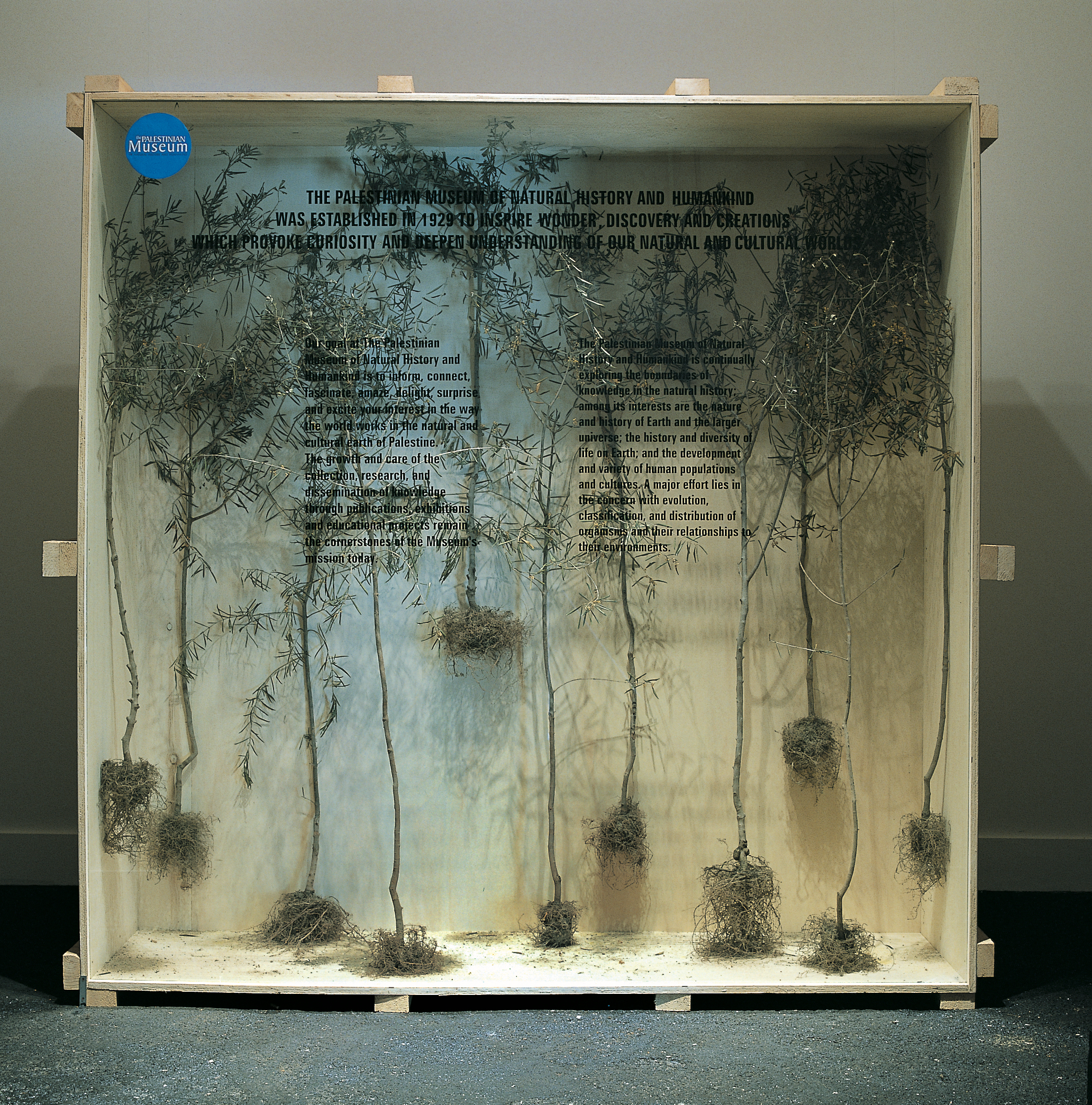 Khalil Rabah. About The Museum, 2004.
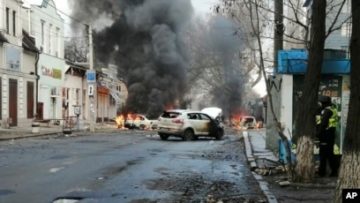 If a city could be an organism, then Kherson in Eastern Ukraine would be a sick body. For eight months, between March and November 2022, Kherson was occupied by Russian forces. Kidnapping, torture, and murder – in terms of violence and cruelty, Kherson’s citizens have seen it all. Today, even though liberated, the port city on the Dnieper River and the Black Sea is still being regularly bombarded: a children’s hospital, a bus stop, a supermarket. Even though freed, how could this city ever heal?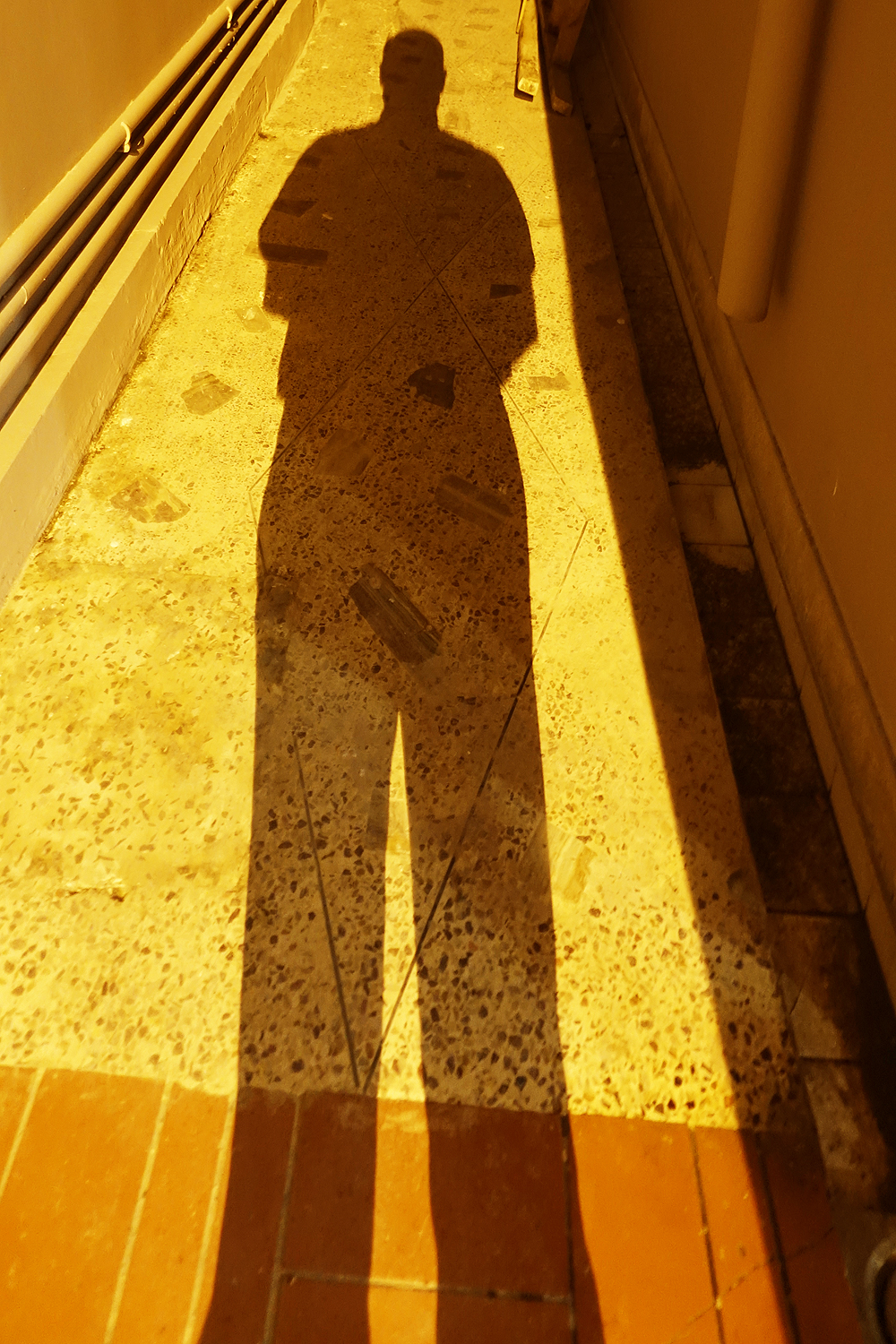
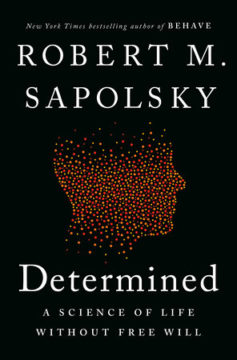 Two popular books released this year have breathed new life into the ancient debate over whether we have free will.
 We all naturally take an interest in the night sky. Just last week, my fiancee and I attended an event put on by the Astronomical Society of New Haven. Without a cloud in the sky, near-freezing temperatures, and a new moon, the conditions were ideal for looking through telescopes the size of cannons. To see anything, you had to stand in line, in the cold, for your opportunity to look at something for a minute.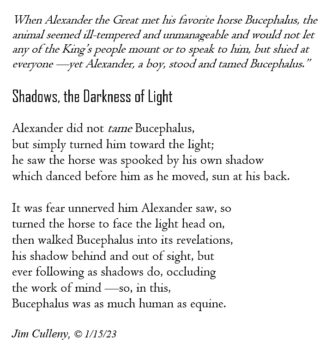
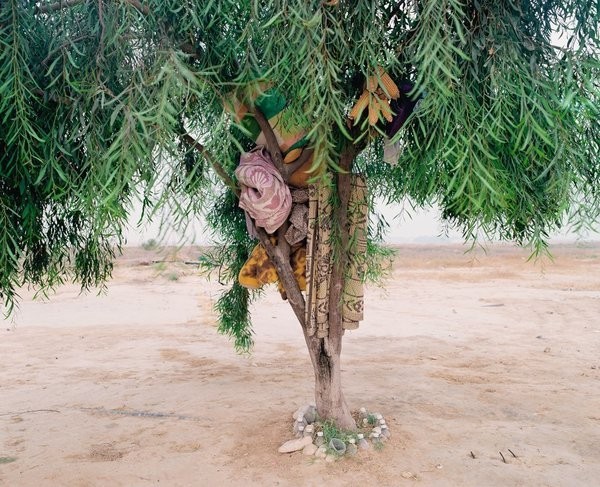 Ron Amir. Bisharah and Anwar’s Tree, 2015. From the exhibition titled Doing Time in Holot.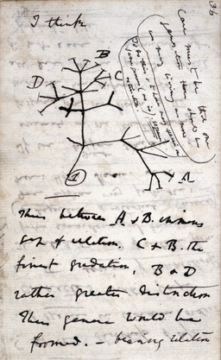
 You’ve always dreamed of foreign travel and you’re aware that there’s a long history of people doing it, and benefiting from it. But you live under a regime that closed the borders a couple of generations ago, at the same time criminalizing the act of researching potential destinations. (Many countries were dangerous, they said, and some tourists were coming home with tie-dyed shirts and peculiar ideas.) To protect the vulnerable, a War on Travel was announced. In the years since, you have grown up with little more than rumors of other cultures, climates, cuisines.