by Gus Mitchell
‘Three things in human life are important: the first is to be kind. The second is to be kind. And the third is to be kind.’ Henry James apparently spoke these words to his nephew Billy James in 1902. TV personality Mr. Rogers later took it up – with an intriguing preface: ‘There are three ultimate ways to success: the first is to be kind. The second is to be kind. And the third is to be kind.’
There is something revealing about that reformulation, from the beginning, to the second half of the twentieth century, that least ‘kind’ of all centuries. It holds true today as well. Kindness has become one of the indispensable buzz-virtues (or, as I conceive them, ‘word-virtues’) of our moment – see also ‘creativity’, ‘community’, ‘care’, and so on. The ubiquity of these words often masks a troubling lack of useful definition or resonance, not to mention the kind of morality-washing used to justify a great deal of lazy thinking and acting. Words in the place of a meaning. This trend has been helped on its way by an enthusiastically hijacking and hollowing by corporate or political instigators, whose interests are opposed to any genuine realisation of these ideals.
In a (no doubt vain) attempt to not be judged by some as callous or psychotic in this essay, let me preface everything to follow: the inherent qualities, the real virtues enshrined in words such as these, are ones I cherish. I’m not attempting to persuade anyone not to ‘be kind’, as you commonly understand it. Instead, I hope that by illuminating the fuzzy blubber gathering around these word-virtues – a blubber enshrined in the mimetic mindlessness of the internet – might help one see more clearly that, by them, we are selling ourselves short. Read more »
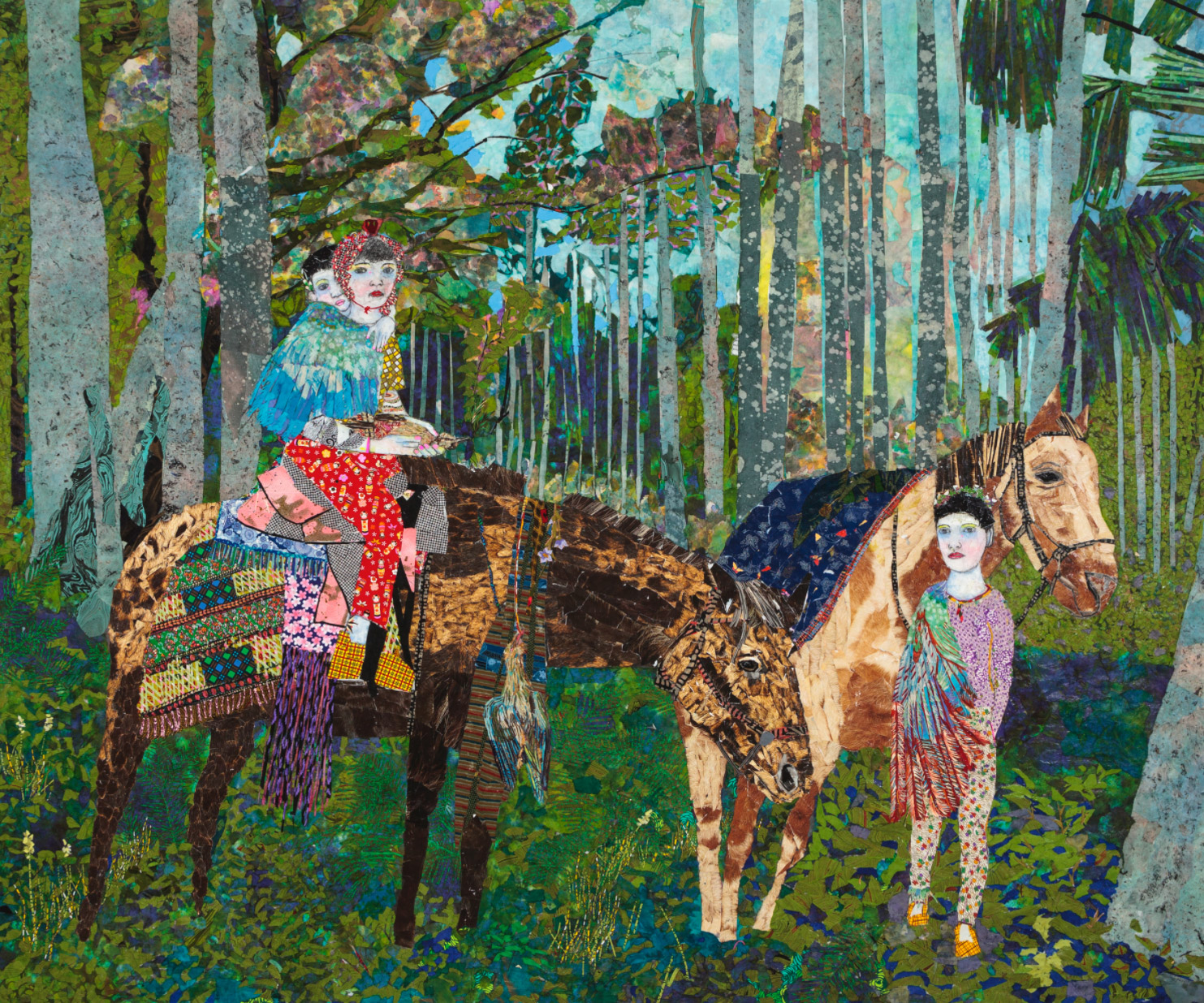 Maria Berrio. From the series “In A Time of Drought”.
 The Lede
 1.
1.

 “D — — , I presume, is not altogether a fool, and, if not, must have anticipated these waylayings, as a matter of course.”
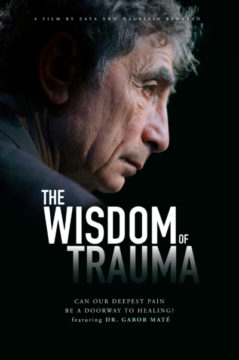 He received the Order of Canada, profoundly helped many people with addiction on the streets of Vancouver, and is much loved and admired, but some of Dr. Gabor Maté’s claims feel like they don’t hold water. And some claims might actually be dangerous if blindly accepted.


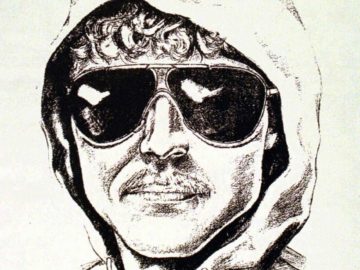
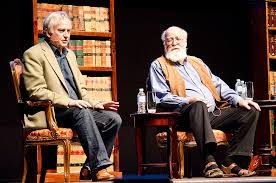

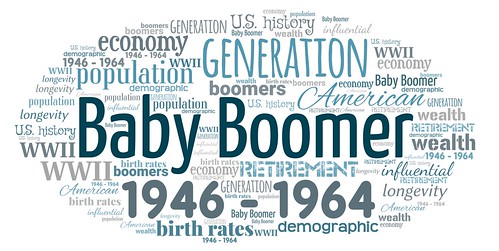 Boomer-bashing is everywhere. Maybe it’s warranted, but a reality check is in order, because the bashing starts from an easy and false idea about how power has moved in American society. The recent change in House Democratic leadership is almost too perfect an example. As a “new generation” takes power in the top three offices, we quietly ignore the most interesting generational story. We griped about the old guard clinging to power, and we cheer for our new young leaders, but we don’t mention that political power skipped a generation: it passed from the pre-Baby Boom generation to the post-Baby Boom generation. The Boomers themselves were shut out of power. As usual.
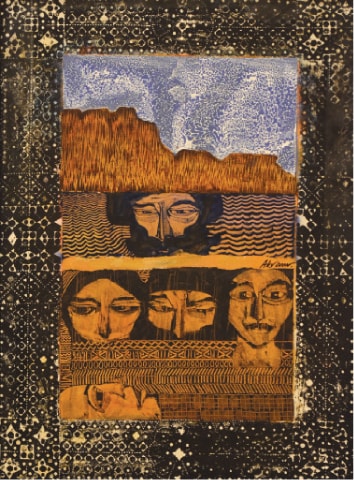 Akram Dost Baloch. From the exhibition “Identities”, 2020.
 There may be no concept so alluring in all of science fiction than that of time travel. We are undoubtedly drawn to alien species and places in space—moons to colonize, asteroids to mine. But even freakish beings and far-off worlds, however remote, have always smacked a little too much of our own reality. I’m fully capable, after all, of walking from my apartment to the park. I can sit on a bench and read