
by Jeroen Bouterse
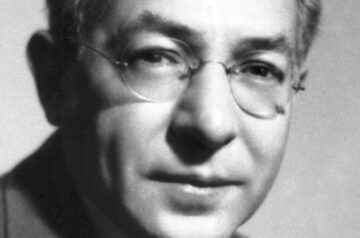
Several years before C.P. Snow gave his famous lecture on the two cultures, the American physicist I.I. Rabi wrote about the problem of the disunity between the sciences and the humanities. “How can we hope”, he asked, “to obtain wisdom, the wisdom which is meaningful in our own time? We certainly cannot attain it as long as the two great branches of human knowledge, the sciences and the humanities, remain separate and even warring disciplines.”[1]
Rabi had been interested in science since his teenage years, and grown up to be a Nobel-prize winning physicist. He had also been an important player in the Allied technological effort during World War II, as associate director of the ‘Rad Lab’: the radiation laboratory at MIT that developed radar technology. The success of Rad Lab, Rabi later reflected, had not been a result of a great amount of theoretical knowledge, but of the energy, vitality, and self-confidence of its participants.[2] In general, Rabi’s views on science and technology were somewhat Baconian: science should be open to the unexpected, rather than insisting on staying in the orbit of the familiar.[3]
‘A moralist instead of a physicist’
In Rabi’s accounts of his time leading Rad Lab, he would also emphasize the way in which he insisted on being let in on military information. “We are not your technicians”, he quoted himself, adding: “a military man who wants the help of scientists and tells them half a story is like a man who goes to a doctor and conceals half the symptoms.”[4] Indeed, the key to understanding Rabi’s worries about the two cultures – he would go on to embrace Snow’s term – is his view of the role science ought to play in public life. Scientists should not just be external consultants,[5] delivering inventions or discoveries on demand or listing the options available to the non-specialist.[6] In some stronger sense, they should be involved in directing policy decisions. Read more »
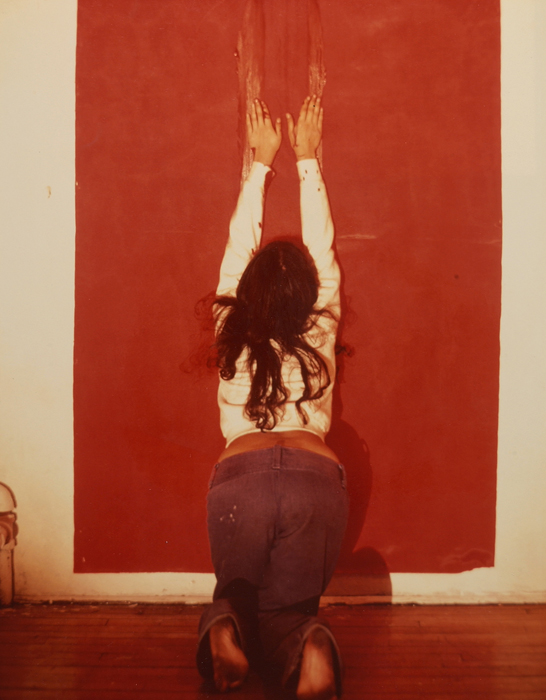 Ana Mendieta. Body Tracks, 1974.

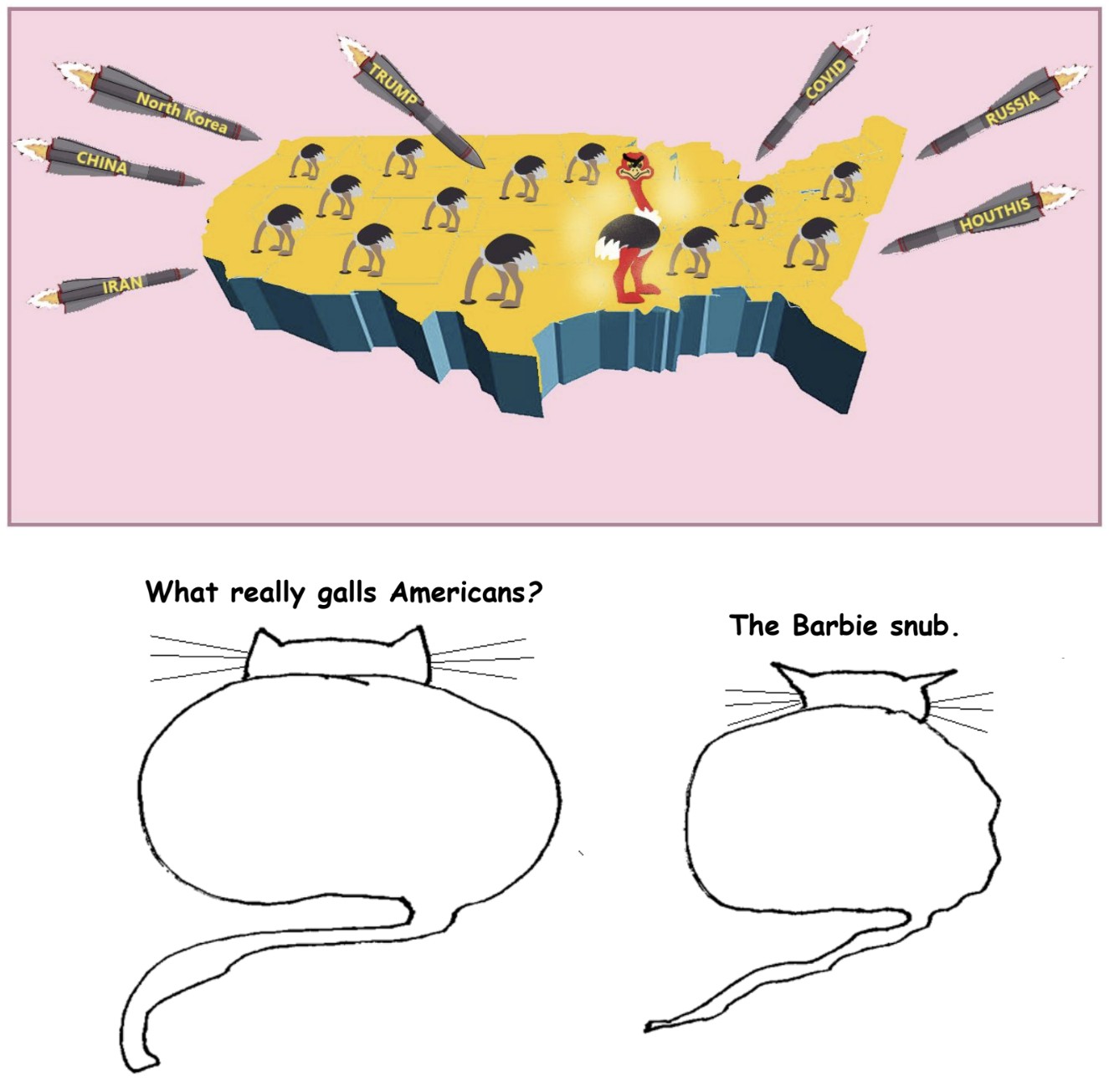
 I recently binge-watched all of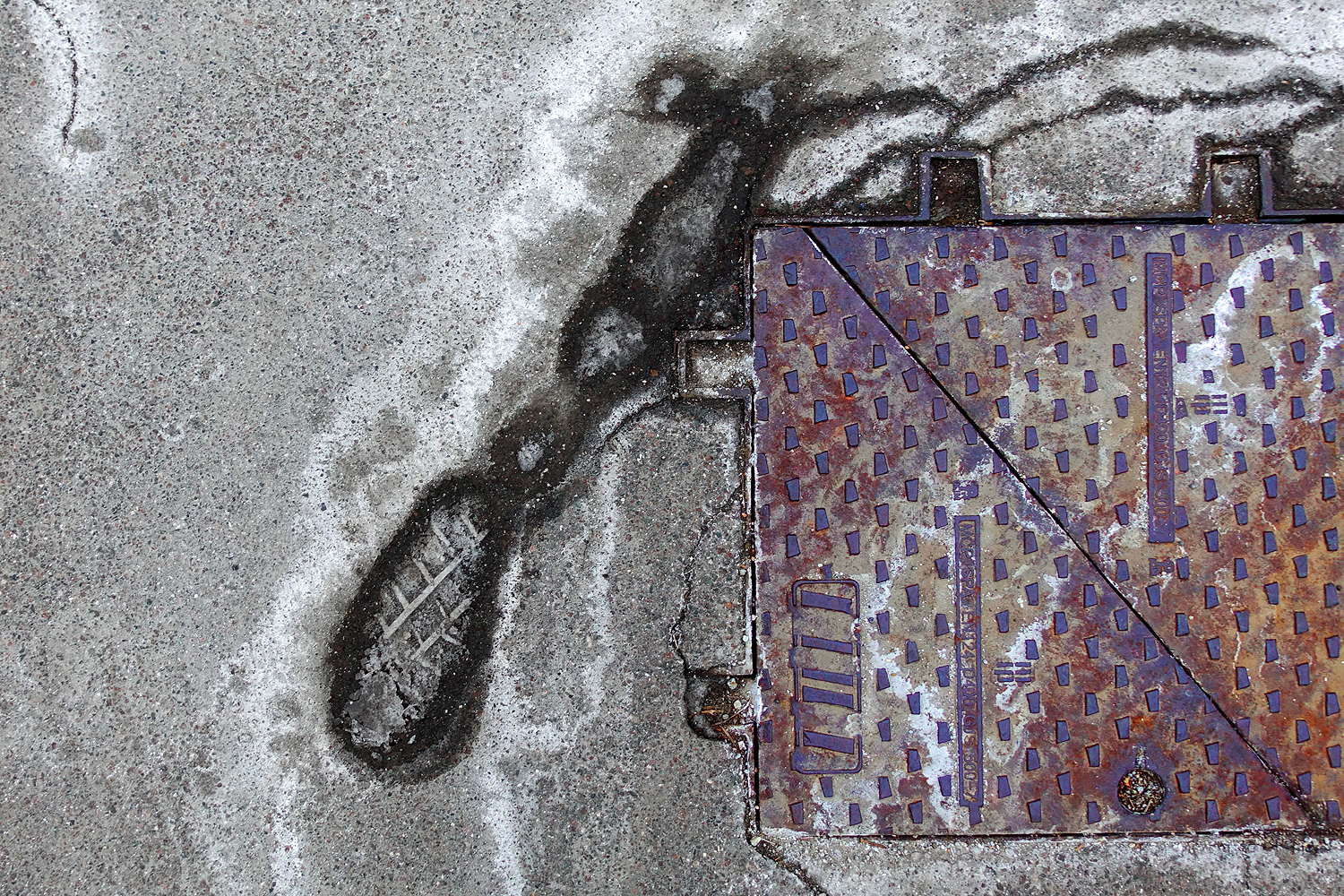
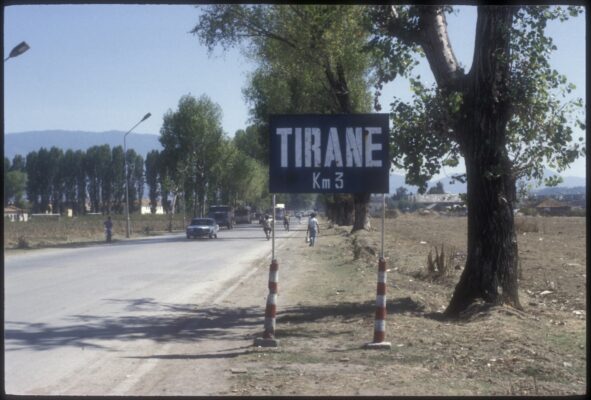 The Balkans isn’t everybody’s first choice for summer holiday, but that’s where we’re headed this year. First we’re flying to Chișinău, while we still can, and I don’t mean to be flip. Forgive my wavering confidence in Western guarantors of freedom, democracy and territorial integrity.


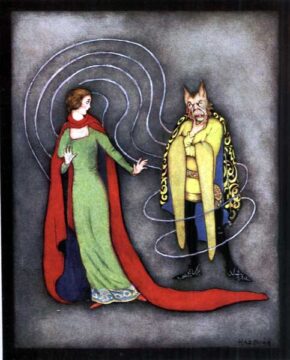
 Sughra Raza. New Wing. November 2023

 In September 2022, Fiona Hill claimed that with the war in Ukraine, World War III had begun. The statements of the American expert on Russia were clear: World War I and World War II should not be regarded as static and singular moments in history. Even though they were separated by a peaceful period, the latter is part of a whole process leading from one World War to the next. The peaceful period following the Cold War would then be comparable to the interwar period in the 1920’s and the 1930’s. From Hill’s processual point of view peaceful periods are as much part of major conflicts as the actual war periods themselves: from the Cold War via a peaceful period to WW III.