
 This is the first in a series of three articles on literature consider as affective technology, affective because it can transform how we feel, technology because it is an art (tekhnē) and, as such, has a logos. In this first article I present the problem, followed by some informal examples, a poem by Coleridge, a passage from Tom Sawyer that echoes passages from my childhood, and some informal comments about underlying mechanism. In the second article I’ll take a close look at a famous Shakespeare sonnet (129) in terms of a model of the reticular activity system first advanced by Warren McCulloch. I’ll take up the problem of coherence of oneself in the third article.
Augustine’s shameful members
There is a passage in The City of God where Augustine complains about “bodily members” that are not subject to our will (Book 14, Chapter 17):
Justly is shame very specially connected with this lust; justly, too, these members themselves, being moved and restrained not at our will, but by a certain independent autocracy, so to speak, are called “shameful.” Their condition was different before sin…. because not yet did lust move those members without the will’s consent; not yet did the flesh by its disobedience testify against the disobedience of man.
Augustine is obviously complaining about sexuality, and offering the interesting speculation that, before humankind’s fall from grace, sexuality was under the control of the will but only afterward, alas, was such control lost.
The problem is hardly confined to sexuality. One cannot become hungry at will, nor curious, affectionate, playful, angry, and so forth. One can fake many of these things, and more, and sometimes one can fake it until it becomes real, after a fashion. However, we can go beyond faking it. Though the use of literary or artistic means, we can exert indirect influence on our affective states. We deliberately, willfully, set out to read a poem, listen to piece of music, watch a movie, whatever, and our feelings change. Read more »
 Jaffer Kolb. Untitled, June, 2024.

 One longstanding debate in aesthetics concerns the relative virtues of formalism vs. contextualism. This debate, which preoccupied art theorists in the 20th Century, now rages in the culinary world of the 21st Century. Roughly, the controversy is about whether a work of art is best appreciated by attending to its sensory properties and their organization or should we focus on its meaning and the social, historical, or psychological context of its production. The debate is similar in the world of cuisine. How best should we appreciate the food or beverages we consume? Should we focus solely on the flavors and aromas or does authenticity and social context matter?
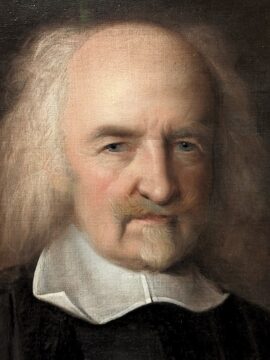 Historians often ask what led to Trump’s landslide victory back in 2024. All those guilty verdicts in the “PornHush” trial certainly helped — the final proof, for many, that the President was an innocent lamb set upon by crooks. And the November exit polls showed that millions of patriotic Americans found democracy a chore anyway, or were actively Fascism-curious, or simply got a buzz out of the fact that, being disempowered in every other meaningful way, they could at least step up and play a part in destroying their own children’s future. But surely the decisive factor was Trump’s inspired choice of running mate — philosopher and controversialist Thomas Hobbes.
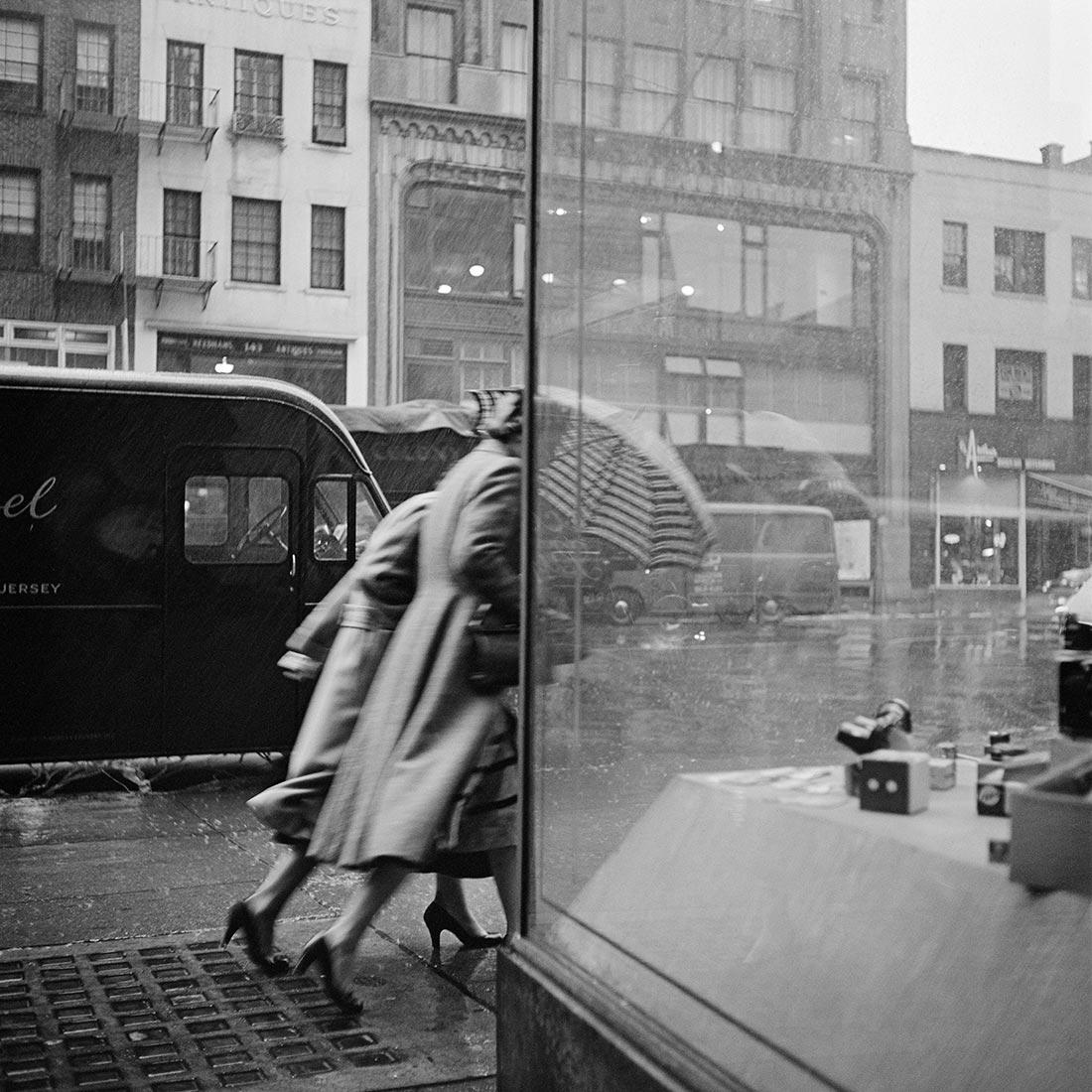 Vivian Maier. October 29, 1953, NY, NY.


 Malawi, Zimbabwe and Mozambique almost never get good press. The modest coverage of last year’s