
by Shadab Zeest Hashmi
Note: This is Part 2 of my Umrah Travelogue. Link to Part 1: “Here I Am, Labbayk”: A Travelogue
Everywhere you turn there is the face of God (Surah al-Baqarah, 2:115)

At the Ka’ba, you spiral the great Oneness, now drifting closer, now farther, keeping your gaze centered, raising your hands to your lips and sending a kiss in the direction of “Hajar-e-Aswad” or the “black stone” when you turn its corner. You understand that this stone or any other stone is as much in service of the One as every single being in creation— from an atom to a galaxy-cluster, that the Ka’ba’s alignment with the sacred throne (“bayt al mamoor”), and your alignment with it when you offer prayers far away, is but a mercy that aids your faith, for God’s face is everywhere. You are asked to witness Oneness here as a Oneness of faithful hearts. In the millions. Yes, here you are sublimely inseparable, and sublimely solitary, much as you were in the womb. This is the land of spiritual gestation and birth; it teaches you the meaning of faith via the exiled heart, first in the tradition of Hajar/Hagar (AS), then, Muhammad (PBUH). Your teachers— men and women among them—gather insights into these Prophetic bearers of Divine “Rahma” (Merciful Love), a corollary of “Rahm” (womb), and you learn to discern the imprint of the sacred feminine in all beings.
Makkah feels every bit the desert you imagined, despite modern conveniences such as air-conditioning, shuttles and cold water. Not much vegetation as far as the eye can see, only some hodge-podge Western-style buildings that rim the holy sanctuary, bringing to focus your own exiled heart, exhausted body, and a mind that fails to compute the brutality of the times. Everywhere you turn: a Quranic verse that holds you in its embrace. What embrace could be wider, more majestic or comforting than the Divine mirror that is reflected in all creation, even in its harshest, most confounding, painful aspects. The ayat points to the Cosmic Qur’an; everything in time, space and dimensions beyond perception, is an “ayat,” a “verse”, a “sign.” Read more »

 In recent public debates it has been argued that the implementation of Artificial Intelligence in weapons systems is changing the nature of war, or the character of war, or both. In what follows, my intention is to clarify these two concepts of nature of war and character. It will show that AI is a powerful technology, but it is currently neither changing the character nor the nature of war.
 Orwell has surely been safe for ages – through just two famous books, neither of which is Keep the Aspidistra Flying. His essays seem alive too. Ideology plays a role here: he was saying things in Animal Farm and 1984 that influential people wanted disseminated. You couldn’t get through school in Britain without being made to read him. I persist in thinking him overrated. Will he fade without the Cold War? There’s no sign of it yet.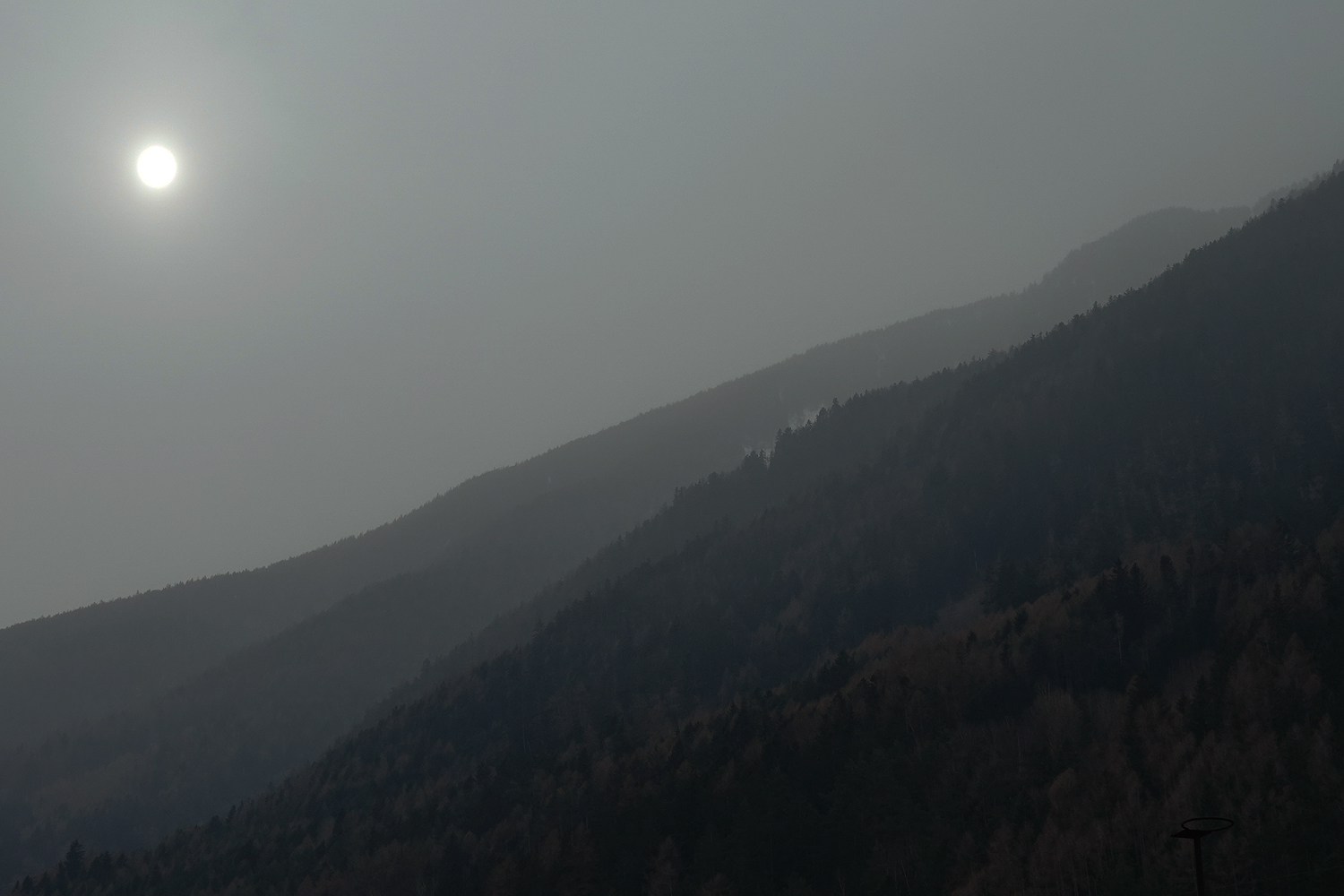

 When I think of New York City, the first image that rises to the surface isn’t its vaunted skyline, those defiant towers scraping at the heavens. It isn’t the classical grandeur of the Metropolitan Museum where civilizations whisper through marble and canvas, nor the razzle-dazzle of Broadway where melodies unfurl amidst a fever of lights and applause. No, of all the things I could remember, the image that lingers most is one of angst—dense, unrelenting and amorphous, like yellowing seepage on the walls of an old house, eating it from the inside out.
 Meanwhile, in New Delhi, the capital city of India to which I’ve just returned, I’ve been startled to find a different rhythm altogether – slower, steadier, and far from the edge of a precipice. Here, the streets hum with chaos, the air is thick with dust and petrol, and the disparities between wealth and poverty gape wide. And yet, amidst this, I see people who seem—dare I say it?—happier. Their circumstances, when measured against any global standard of “quality of life,” are objectively harsher than those of the stressed and striving New Yorkers I left behind. But their faces, their words, their mannerisms suggest something else entirely.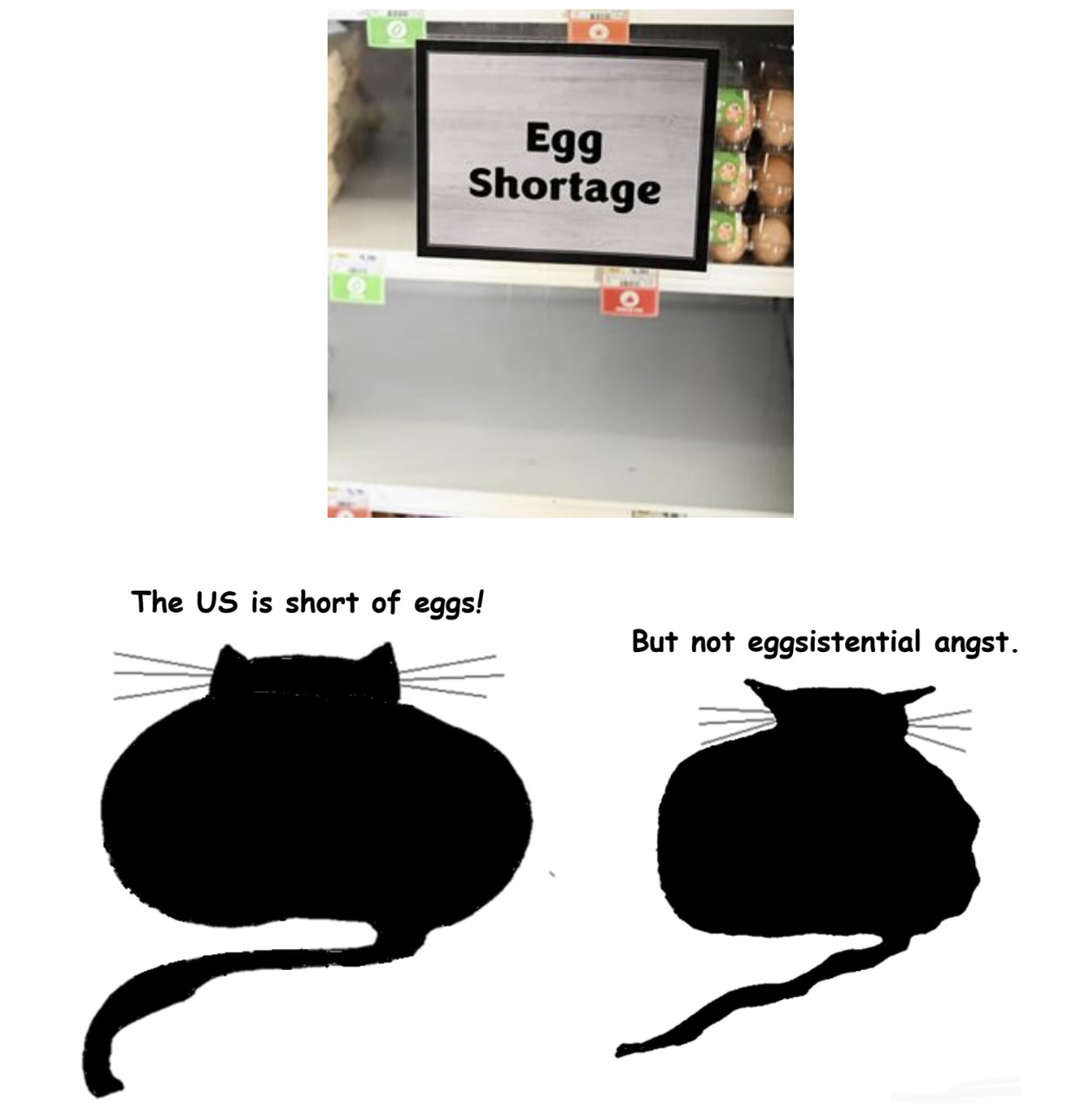


 Sughra Raza. Self Portrait At Home. December 2024.
 After many years as a practicing lawyer, I remain proud of what I do. Putting aside lawyer jokes, stale references to ambulance chasing and analogies with other professions that charge by the hour, I have enjoyed doing what lawyers do and I am unapologetic about it.

