by Chris Horner

In daily life we generally get by without invoking explicit moral positions or judgements. This is because, for the most part, the norms and taboos of the quotidian life are just embedded in what we do or say. This isn’t to say we all adhere to them all the time – far from it. But when we see such behaviours our responses will range, according to seriousness, from tutting to calling the police. At one end we have the norms and taboos of basic politeness, at the other the serious stuff about harm. But this mainly happens without anyone needing to invoke an explicit moral a code, since our responses are embedded in the ‘ethical substance’ of everyday life.
But there are times when we may ask ourselves whether a norm or taboo or a rule is right. We seek justifications. Then we might ask about the consequences of following a rule, or of the red lines that might mark real moral obligations and limits. Things that appear as ‘common sense’ can turn out to be abhorrent – it was once ‘common sense’ to think that women shouldn’t be educated or that some races were ‘obviously’ superior to others. So, we need to be able to critically reflect. Even then moral philosophers like Kant and JS mill are unlikely to come up. It’s more likely to be the ‘Golden Rule’ (do unto others as you would have them do unto to you) or the ‘what would happen if we all did that?’ Such reflections conduct have their place. We should reflect on what we do, and maybe change it, or call for change.
But everyday ethical life isn’t based on such things. It is the other way around: moral talk is rooted in ethical life, most of which happens without much reflection. We don’t go around with propositions about morality ‘in our heads’, as it were. We just live our social lives. Moral maxims and theories are reminders of what we should consider, what matters, and we reach for them we when feel stuck. Explicit ‘moral talk’ is parasitic on that other stuff of everyday life – the practices and institutions that we don’t put into question most of the time, what Hegel calls Sittlichkeit. Read more »
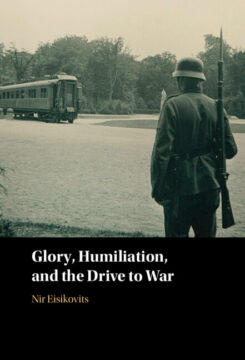 Why do we fight? That question has been asked by so many in the history of mankind: philosophers, psychologists, anthropologists, historians, sociologists, political theorists have come up over and over again with explanations as to why humans fight.
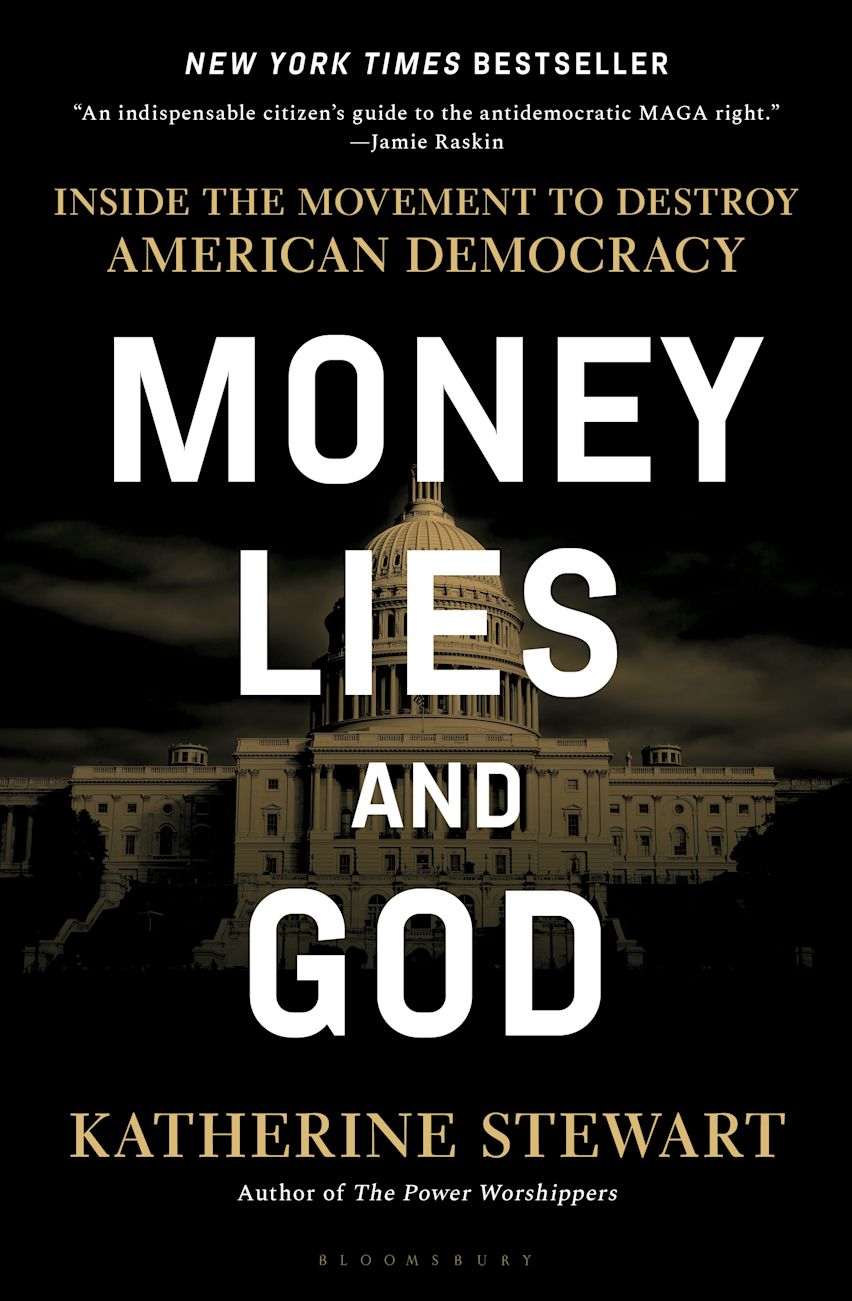

 “In bardo again,” I text a friend, meaning I’m at the Dallas airport, en route to JFK. I can’t remember now who came up with it first, but it fits. Neither of us are even Buddhist, yet we are Buddhist-adjacent, that in-between place. Though purgatories are not just in-between places, but also places in themselves.
 Do corporations have free will? Do they have legal and moral responsibility for their actions?
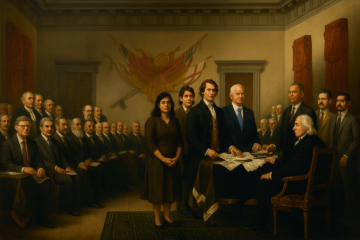


 Stephanie Morisette. Hybrid Drone/Bird, 2024.