by Leanne Ogasawara
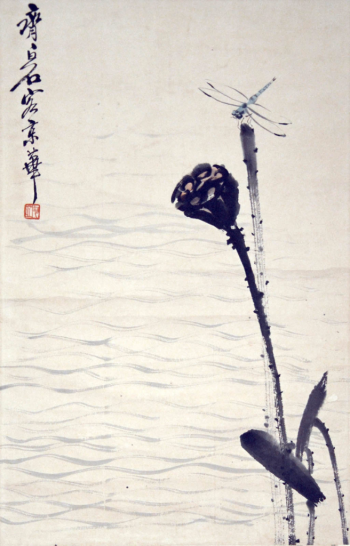
In days past, the beautiful palace moat was filled with tall, fragrant lotus blossoms. In those days, emperors would cross the bridge into their celestial palace ~~as if floating above a sea of pink flowers.
A symbol of spiritual purity and spiritual detachment, the Vietnamese revere the lotus. In addition to the flowers that once filled the palace moat, there were also lotus ponds within the palace walls. My favorite is the small pond that lies behind the old throne room. I spent a lovely afternoon there nearly 20 years ago relaxing on the wooden veranda overlooking the lotus pond, where I was enchanted by a cool breeze that seemed to appear out of nowhere in the torpid Vietnamese summer.
My enchantment with Vietnamese lotus flowers would continue too. For it was there where I learned that the emperor's servants began their mornings every day collecting the dewdrops that had collected overnight on the lotus leaves in the pond.
It sounded like a difficult job. How did they gather the dewdrops? And why? Well, a nearby tour guide was explaining to her group that the servants used the dewdrops to make the emperor's morning cup of tea. Can you imagine? Tea made from the water of dewdrops collected on the leaves of the lotus flowers? Now that is something I would very much like to try someday….
It's a wonderful story anyway.
That evening returning to the French villa where we were staying in Hue, I told the elegant lady who ran the place all about the lotus and the emperor's tea.