
by Leanne Ogasawara
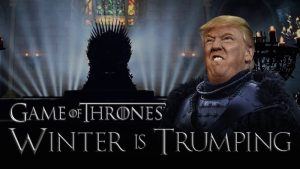
In the great reality show that is American Politics, this election did not disappoint. It had hope, followed by heartbreak (Beto, Gillum). And there was fear –in the form of an “invading caravan,” with whispers of Russian hackers. It had titanic drama, whipped up to a torrid frenzy by the media, in love with the sound of their own voice.
And tragically, it was darkened by unspeakable evil in Pittsburg.
In the bittersweet but predictable final episode, a scrappy blue army retook the House; while fate seemed to set up an insurmountable wall in the Senate, resulting in a few more red bricks cemented into place. And before we even had time to exhale a single sigh of relief and stagger to bed with the appropriate mixture of whiskey and champagne, the pundits begin punditing –to the sound of another mass shooting (this time in my home town): Let the Games BEGIN!! House Pelosi meets House McConnell; while House Trump recognizes its own limits and the value of constructive compromise to get things done.
Yeah, not so much.
Are the Founding Fathers, spinning wildly in their graves as they regret eschewing a parliamentary form of government, wondering whether this Republic is about to deal itself a knockout blow? Or are they watching, horrified? Horrified –but entertained– by this latest twist in our very own homegrown Game of Thrones? Read more »
 Donald Trump is not a fascist. He’s far too stupid to be a fascist, or to coherently advocate for any complex national political doctrine, evil or otherwise. He is, however, a would-be tin pot dictator. And his largely failed but still very dangerous attempts to establish himself as a right wing autocrat need to be countered, not just by opposition politicians and the press, but also by responsible citizens.
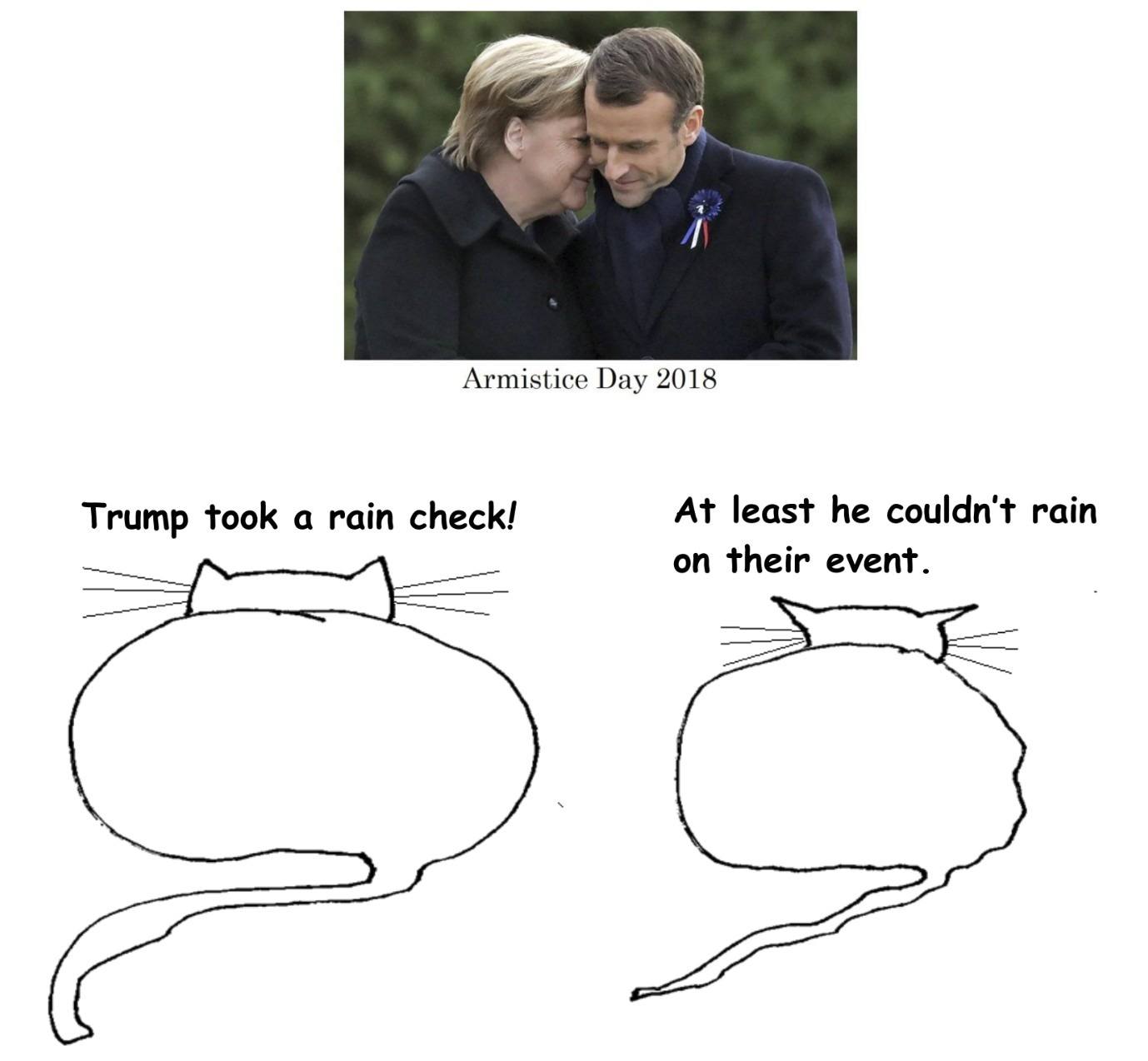
 This past Sunday, November 11, marked the Centennial of Armistice Day, the European commemoration of the agreement to end World War I. Representatives from more than 60 countries attended carefully choreographed ceremonies to honor the sacrifice of those who fought.

 In a recent study, data scientists based in Japan found that classical music over the past several centuries has followed laws of evolution. How can non-living cultural expression adhere to these rules?
 The crocodiles know. They form pincers on either side of the crossing point. Richard says they feel the vibration of all those hooves along the riverbank above them.


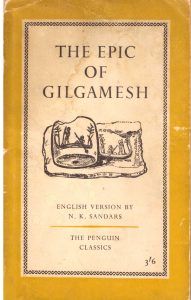 By chance, I chose as holiday reading (awaiting my attention since student days) The Epic of Gilgamesh, a Penguin Classics bestseller, part of the great library of Ashur-bani-pal that was buried in the wreckage of Nineveh when that city was sacked by the Babylonians and their allies in 612 BCE. Gilgamesh is a surprisingly modern hero. As King, he accomplishes mighty deeds, including gaining access to the timber required for his building plans by overcoming the guardian of the forest. But this victory comes at a cost; his beloved friend Enkidu opens by hand the gate to the forest when he should have smashed his way in with his axe. This seemingly minor lapse, like Moses’ minor lapse in striking the rock when he should have spoken to it, proves fatal. Enkidu dies, and Gilgamesh, unable to accept this fact, sets out in search of the secret of immortality, only to learn that there is no such thing. He does bring back from his journey a youth-restoring herb, but at the last moment even this is stolen from him by a snake when he turns aside to bathe. In due course, he dies, mourned by his subjects and surrounded by a grieving family, but despite his many successes, what remains with us is his deep disappointment. He has not managed to accomplish what he set out to do.
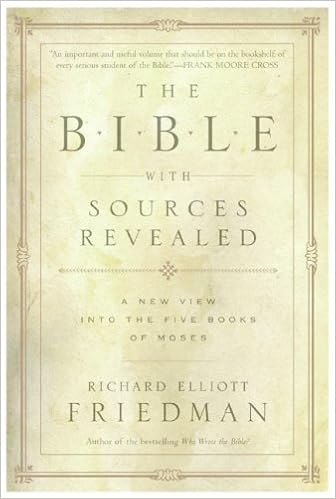 On his journey, Gilgamesh meets the one man who has achieved immortality, Utnapishtim, survivor of a flood remarkably similar, even in its details, to the Flood in the Bible. Reading of this sent me back to Genesis, and hence to two other books,
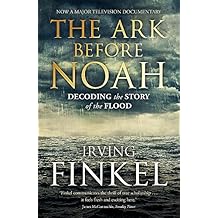 Comparing Hebrew with Cuneiform may seem like a suitable gentlemanly occupation for students of ancient literature, but of no practical importance. On the contrary, I maintain that what emerges is of major contemporary relevance.
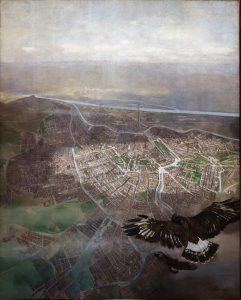 When architect Otto Wagner commissioned this large painting by Carl Moll for the Kaiser’s personal railroad station in Vienna in 1899, he might not have seen the irony of an eagle’s view of the city. View of Vienna from a Balloon envisions a future beyond rails in which a bird shows the way to a whole new way of looking at landscape, one that would renew the way we view nature itself, hardly more than a 100 years later. If that painting were done today, the eagle would be replaced by a small four-cornered device with a camera and four rotary blades to keep it aloft: the drone.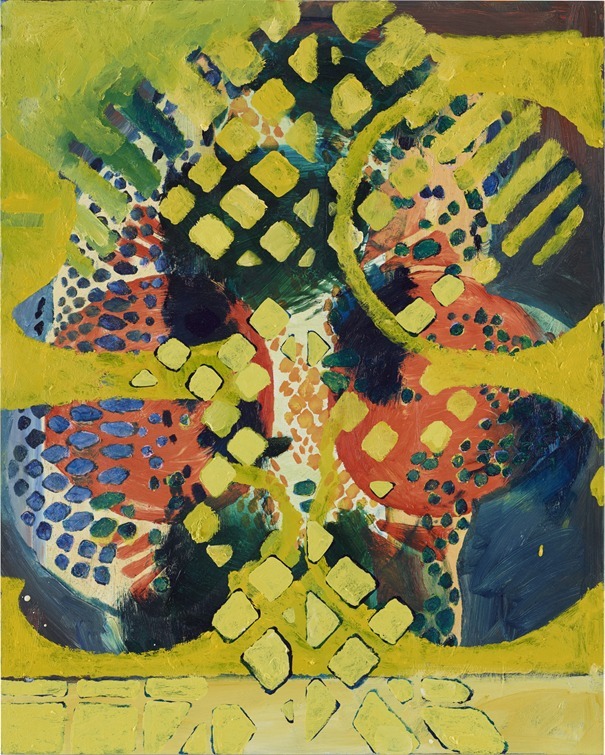
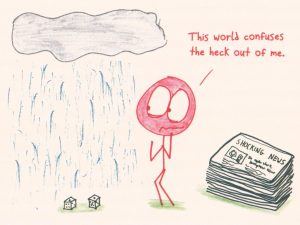

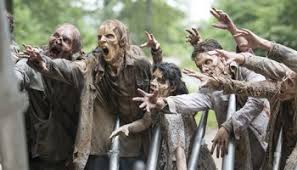 This year – 2018 – marks something truly auspicious. This is the semi-centennial of the invention of the Zombie. In these fifty years, let’s face it, we have been completely overrun. Zombies are everywhere. They are in our movies, tv shows, books, and comic books, plus, out here in the real world where the Center for Disease Control has a comprehensive Zombie preparedness and education plan and there are Zombie-walks, Zombie-conventions, and, anyway, didn’t you see them this Halloween? The most popular Zombie tv show, “The Walking Dead”, has been streaming for almost ten years – and the comic book it is based on is still going strong. At least one Pulitzer Prize and National Book Award winning author has written a straight-up zombie novel – Colson Whitehead’s “Zone One”. So, what’s with all the Zombies?