by Dave Maier
 If one enters the name “Ellen Page” into the search box at en.wikipedia.org, it redirects to an entry entitled “Elliot Page” (and informs you that it has done this). This is because on December 1, 2020, as the entry itself tells us in the section marked “Personal life,” that person, an accomplished and popular actor nominated for the 2007 Best Actress Oscar for their performance in the film Juno, “came out as transgender on his social media accounts, revealed his pronouns as he/him and they/them, and revealed his new name, Elliot Page.” Naturally this led to a flurry of activity on the interwebs, much of it, not surprisingly, about gender politics. This post, however, will be not be about that, except incidentally; instead, it concerns the much sexier topic of the semantics and metaphysics of naming, and will most likely (you have been warned) finish up with lengthy citations from the relevant sections of Philosophical Investigations.
My immediate reaction, that is, when I heard this, was to wonder whether and in what sense “Ellen Page” is still a referring expression, and who gets to decide this, and on what grounds. Naturally Elliot himself has a unique and in some ways authoritative perspective on this, but a) he’s only one of an entire community of English speakers; and b) if he wants to give us a theory of the reference of proper names he’s entirely welcome to do so, but in that context his own perspective, as in (a), is, I think, less authoritative than on the rather narrower question of what he should now be called, which I grant is up to him.
So I’m thinking about sentences like
1) The star of Juno is Ellen Page.
2) Ellen Page is the star of Juno.
3) The first-billed actor in the credits of season 1 of The Umbrella Academy is Ellen Page.
Are these true? False? Nonsensical? Rude to Elliot but otherwise okay? What do they mean? Did they change their meanings on December 1, 2020? What else might we say about them? Read more »
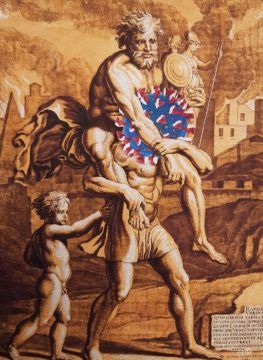 Arma virusque cano: Sing,
 This Christmas, I stayed in a Marriott in the town where my kids live. Like most people, my business and personal travel has mostly ground to a halt in the last 9 months. So I was pleasantly surprised by the check-in experience the hotel provided me to allow for social distancing. I’m a long-time Marriot member and have their app on my phone. Using it, I was able to check-in ahead of time, and when my room was ready, they sent me a mobile key.
 In the early months of 1966, whenever a familiar look of boredom settled in my mother’s eyes at the thought of cooking, I’d suggest, “Why don’t we go out for pizza?”
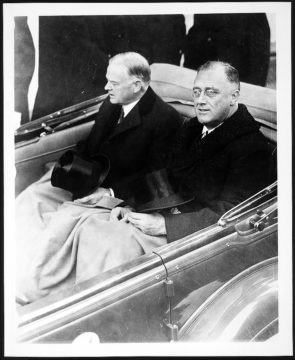 Adlai Stevenson, in the concession speech he gave after being thoroughly routed by Ike in the 1952 Election, referenced a possibly apocryphal quote by Abraham Lincoln: “He felt like a little boy who had stubbed his toe in the dark. He said that he was too old to cry, but it hurt too much to laugh.”



 It’s Monday, 1:45, and six men and I sit in a circle with our German-trained psychotherapist, an imperious woman who reminds us that she is here to help only if we get bogged down or offer guidance and that we men need to find our own way through our turmoil, which is the point of the group and the point of each of us paying $3000 per year. I’m fairly new, so before I speak, I’m seeking some level of comfort or commonality among us, and every week I come up short. I’m not yet adjusted and unsure what I should be adjusting to.
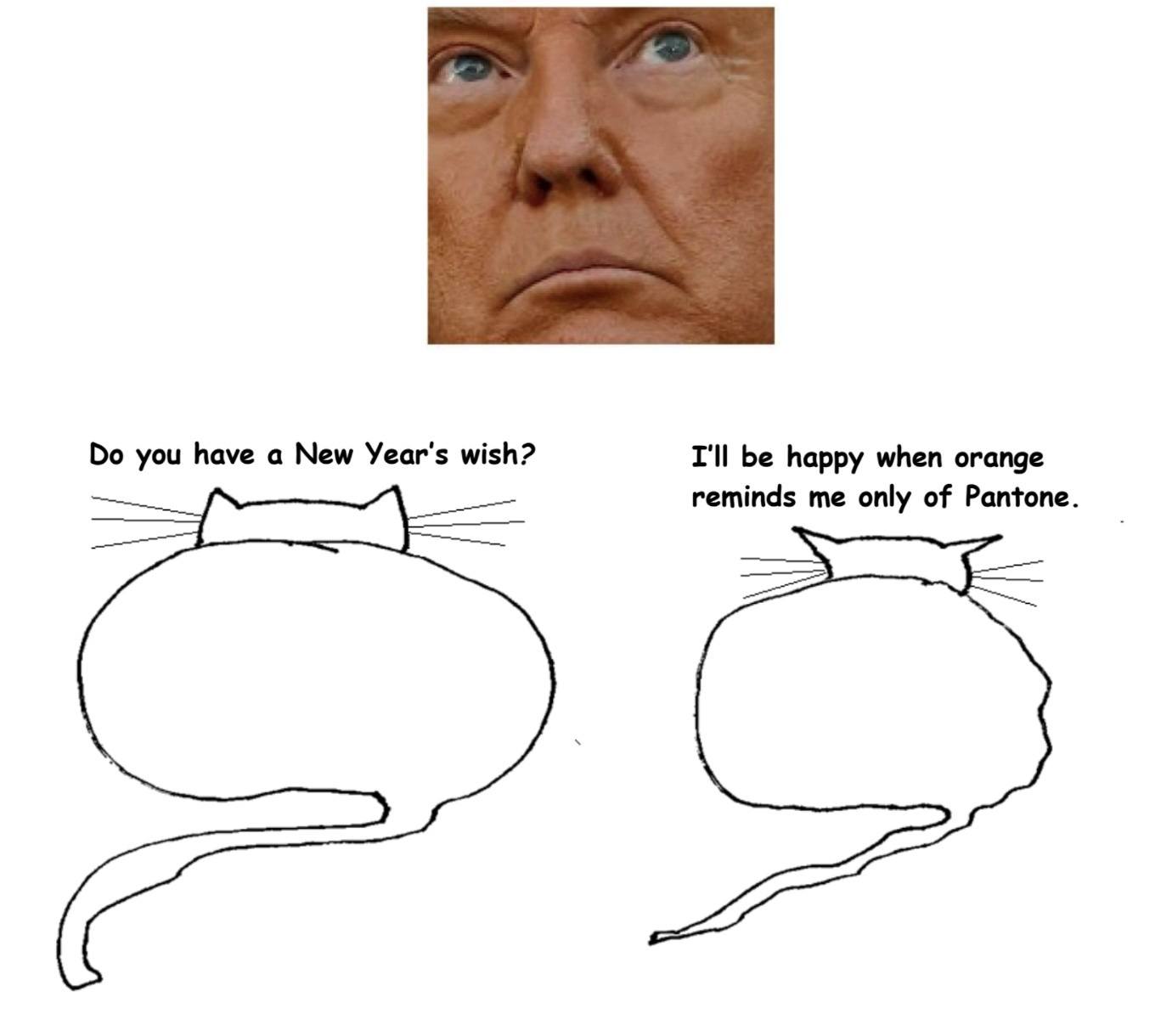
 We are entering the aftermath. Two of the most epic and wrenching struggles in American history are finally playing out to their conclusions. At last we see a conclusive democratic rejection of a presidency built on systematic lying and racism. At the same time we look just weeks or months ahead for vaccines that will liberate us from our deadly yearlong pandemic.
 A Task for the Left