by Akim Reinhardt
Stuck is a weekly serial appearing at 3QD every Monday through early April. The Prologue is here. The table of contents with links to previous chapters is here.
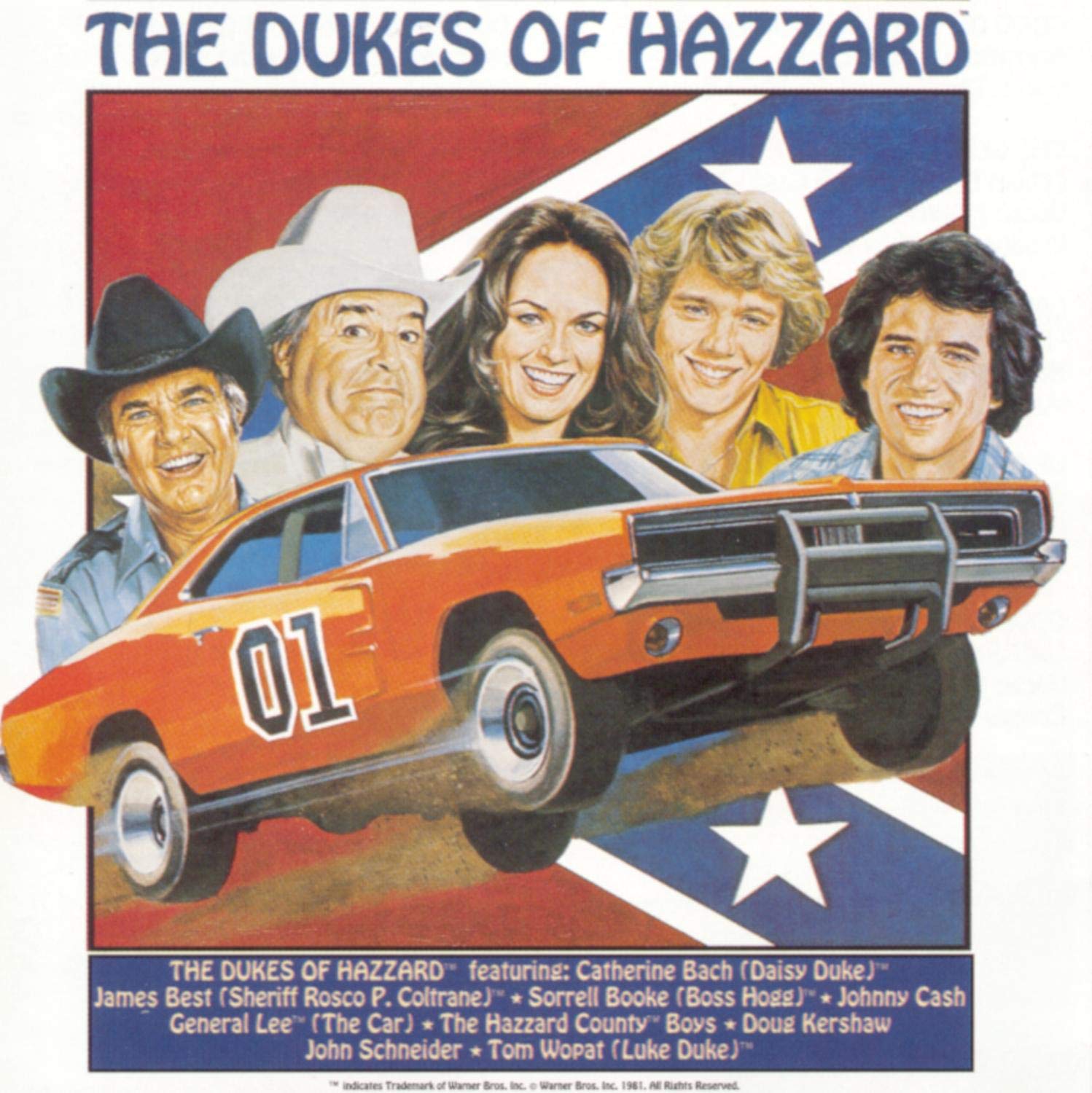 You’ve been an on-again, off-again working band for a decade. During that period there have been numerous breakups and seemingly endless lineup changes. Then, after years of grinding and uncertainty, you finally hit it big in 1975. You earned it.
But you’re also riding a larger cultural wave; you’ve been assigned to a niche, what people are now calling Southern Rock, a sub-genre that your band pre-dates.
So be it. You worked your ass off, and now you’ve arrived. You get signed to a major label. Your eponymous debut album goes gold. You have a single that does okay. You have a nickname; the frequently shuffling roster somehow ended up with a trio of guitarists, and you’ve been dubbed the “Florida Guitar Army.” And you have an opus. The last song on your new album is worthy of your genre predecessors, the Allman Brothers and Lynyrd Skynyrd. A confident, snarling intro is followed a fierce torrent of wailing guitar solos. Over nine minutes of kick ass, balls to the wall rock n roll, “Green Grass and High Tides Forever” will cement your place in Southern Rock lore.
Then it all starts to wobble. Read more »
 At least since Roe v. Wade was decided in 1973 the issue of Conscientious Objection (henceforth CO) has been an important one in the context of Catholic hospitals and women patients. Such hospitals object to the provision of abortions, contraceptives, sterilization, fertility care, and “gender-affirming care” such as hormone treatments and surgeries.

 The United States continues to be virtually the
  Sughra Raza. Rorschach on the River Li. Yangshuo, China, January, 2020.
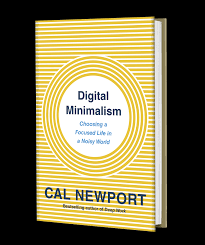 While you might not break into a neighbor’s house to log onto your Facebook account if your internet were down, a case can be made that many of us are victims of at least a moderate behavioral addiction when it comes to our smartphones. At the playground with our kids, we’re on our phones. At dinner with friends, we’re on our phones. In the middle of the night. At the movies. At a concert. At a funeral. (I was recently at a memorial service for my friend’s mother, and someone’s cell phone rang during my friend’s reminiscence.)
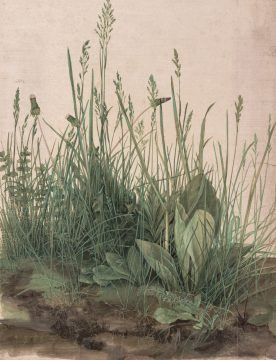 When Vienna‘s Albertina Museum exhibition of works by Albrecht Dürer ended in January 2020, it seemed quite possible that several of the masterpieces on display might never again be seen by the public, among them The Great Piece of Turf. This may sound like a dire prediction for a fragile work that is routinely exhibited every decade or so, but as the UN announced recently, we may already have passed the tipping point in the race to save our world and ourselves. A decade from now we may be too engaged in the struggle to survive to focus our attention on a small, exquisite watercolor created 500 years ago.

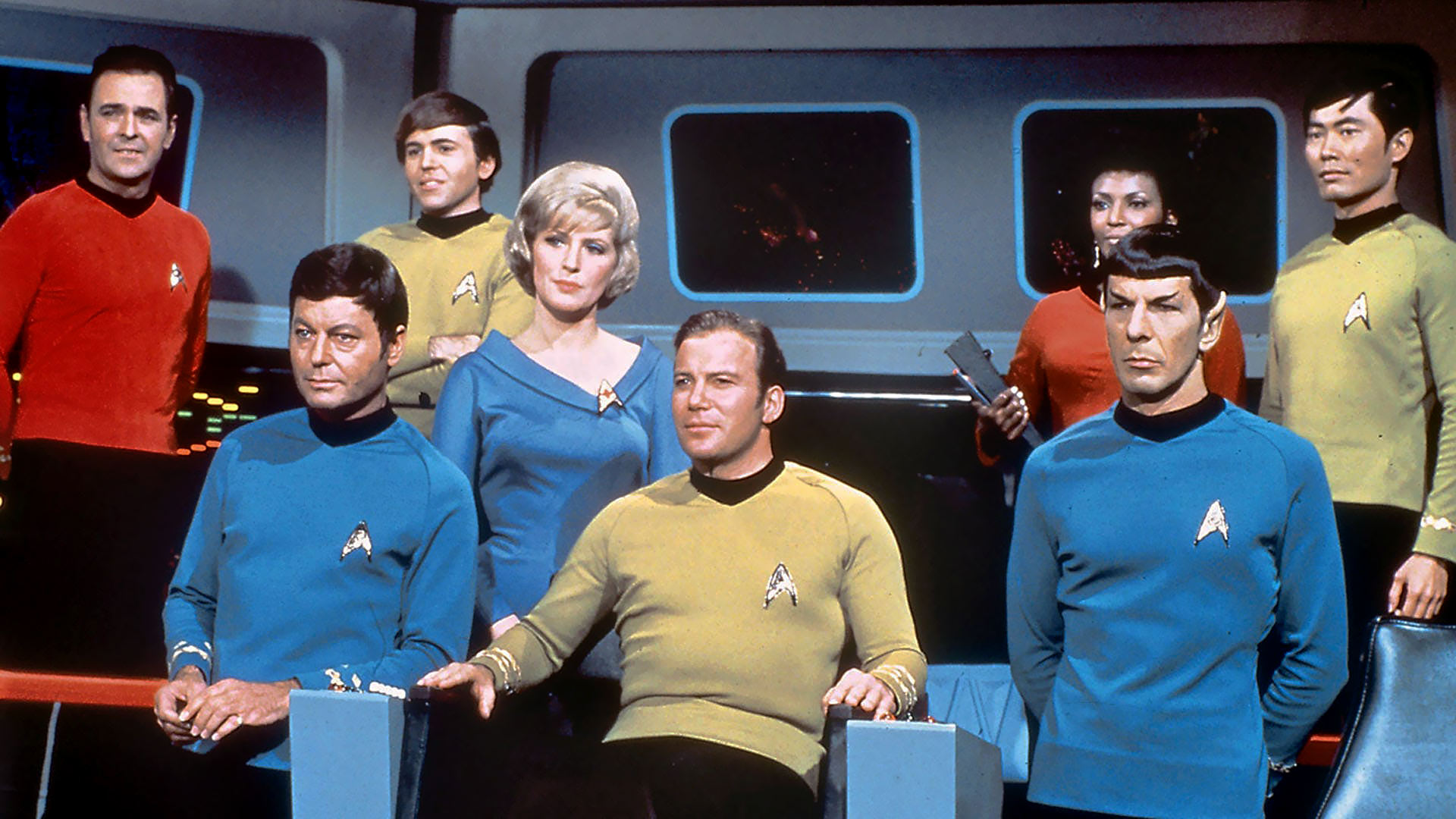 During my late 1970s New York City childhood, repeats of Star Trek aired every weeknight on channel 11, WPIX. The original 79 episodes ran about three times per year, which means that, allowing for the occasional miss, I’d seen each episode about 10 – 12 times before reaching high school.
 For the last three years, I have struggled with a dilemma: As a reasonable, quite liberal person, what should I think of my 60 million fellow Americans who voted for Donald Trump in 2016, and the vast majority of whom continue to support him today? Normally, a personal dilemma is a private thing, not a topic for public airing, but I feel that this particular problem is one the vexes many others – perhaps even a majority of Americans, as more of us voted for Hillary Clinton and many did not vote at all. Since that bleak day in November 2016, an unspoken – and sometimes loudly spoken – question hangs in the air: What kind of “
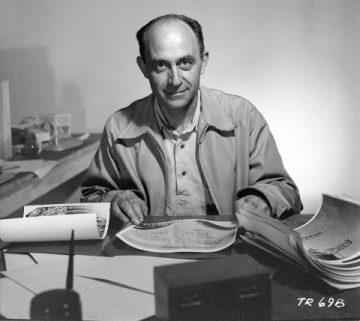 In November 1918, a 17-year-student from Rome sat for the entrance examination of the Scuola Normale Superiore in Pisa, Italy’s most prestigious science institution. Students applying to the institute had to write an essay on a topic that the examiners picked. The topics were usually quite general, so the students had considerable leeway. Most students wrote about well-known subjects that they had already learnt about in high school. But this student was different. The title of the topic he had been given was “Characteristics of Sound”, and instead of stating basic facts about sound, he “set forth the partial differential equation of a vibrating rod and solved it using Fourier analysis, finding the eigenvalues and eigenfrequencies. The entire essay continued on this level which would have been creditable for a doctoral examination.” The man writing these words was the 17-year-old’s future student, friend and Nobel laureate, Emilio Segre. The student was Enrico Fermi. The examiner was so startled by the originality and sophistication of Fermi’s analysis that he broke precedent and invited the boy to meet him in his office, partly to make sure that the essay had not been plagiarized. After convincing himself that Enrico had done the work himself, the examiner congratulated him and predicted that he would become an important scientist.