
by Mindy Clegg
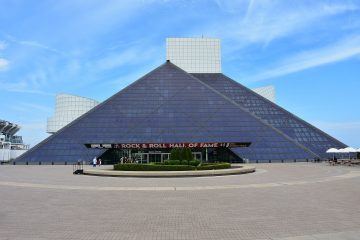
The Rock’n’Roll Hall of Fame recently announced this year’s inductees; the Doobie Brothers, T. Rex, Nine Inch Nails, the Notorious B.I.G, Depeche Mode, and Whitney Houston, with the Ahmet Ertegun Award (for members of the industry who are not the talent) going to Jon Landau and Irving Azoff. Not too long after, the usual recriminations emerged; for example Judas Priest was on the list of bands for inclusion that did not make the cut this year. Richie Faulkner, guitarist for the classic metal band expressed his contempt for the institution on hearing the news. Some grumbled about Houston’s induction, as she was not a “rock” musician.1
Each year when new inductees are announced a fresh round of anti-Hall of Fame rhetoric bursts forth on blogs and in comment sections. There are some good reasons to criticize the process—plenty of foundational artists have been ignored, the fringes that have given rock its longevity are often glossed over, plus there has been a clear preference for white male artists over others. These rarely make up the bulk of the complaints though. I would argue that critics have missed the point of the institution (with the exception of John Lydon, perhaps). Rather than existing to promote an accurate history of popular music in the age of its mechanical reproduction and to celebrate one critical genre of music, the organization exists for one primary purpose: to promote the industry narrative of popular recorded music. This fact shapes all aspects of the induction process and the spectacle of each ceremony. Read more »
 The wine community is often accused of being snobby and elitist. The language used to describe wine is one source of this innuendo. Although most people have become accustomed to the fruit descriptors used in wine reviews, when wine writers wax poetic by describing wines as “graphite mixed with pâte de fruit”, even
 I first heard Motörhead in 1988. I was a DJ at
 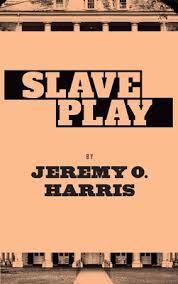 Jeremy Harris is a dark and stormy cocktail of Dave Chappelle, Augusto Boal, Boots Riley, and James Baldwin. The dark comedic energy that drives Slave Play, Harris’s provocative Broadway show about racism, sex, kinky fetishism, white supremacy, interracial relationships, slavery, the Antebellum South, post-colonialism, and psycho-sexual drama therapy, is the sort that makes you cry while laughing, tremble with anxiety, giggle from embarrassment, and question the sources of your own laughter. Slave Play riffs darkly on how black and white people in America live intimately together yet are essentially apart. Carrying the historical burdens of slavery and white supremacy into the 21st century, Harris shines a dark therapeutic light onto areas of our racial relations that are vibrating with pain and festering with pleasure.
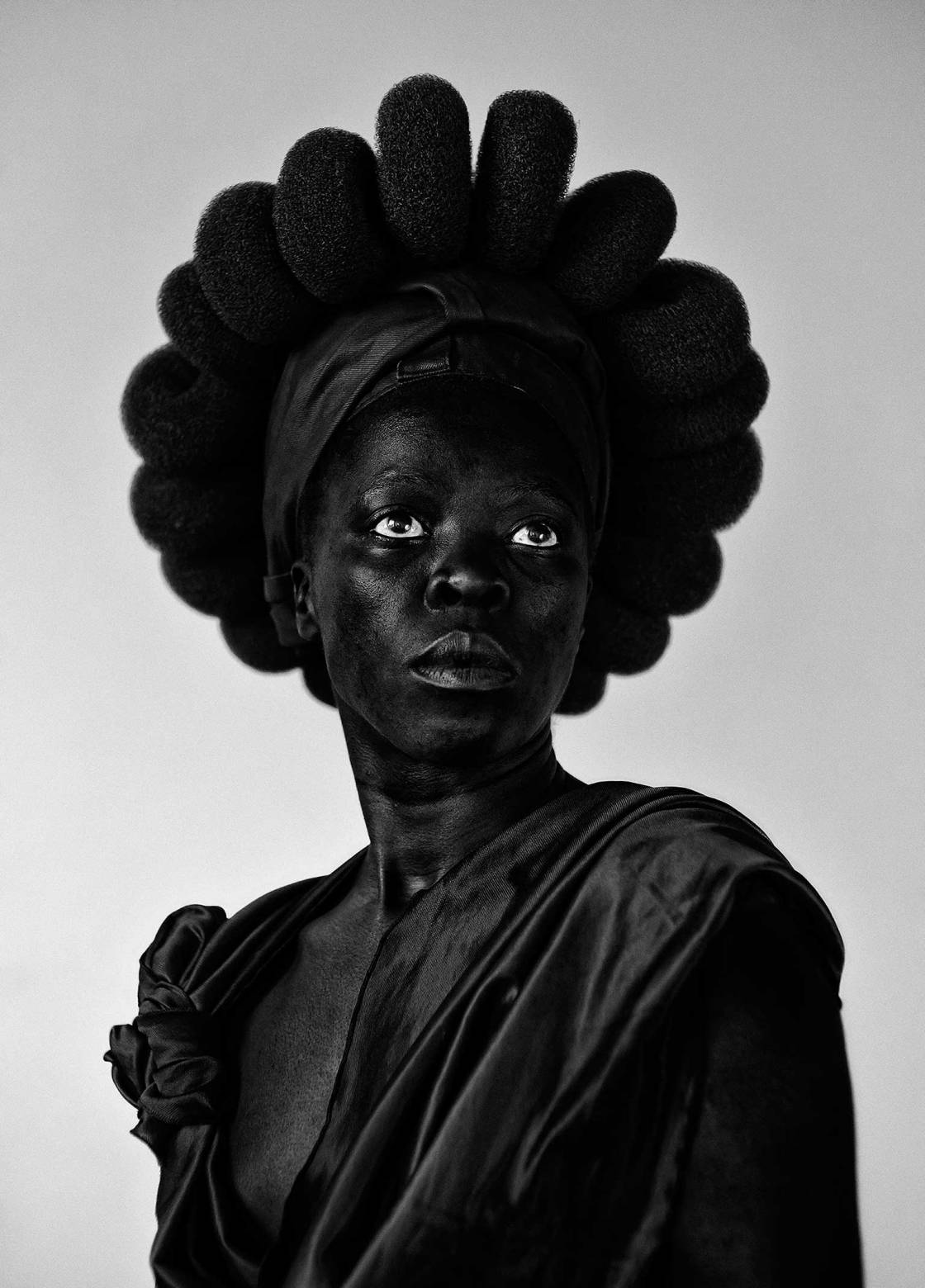 Zanele Muholi. Ntozakhe II, Parktown, Johannesburg. 2016.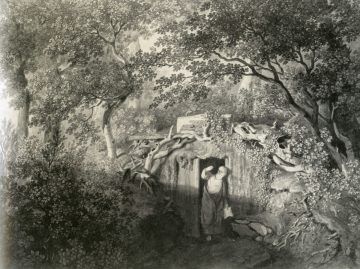
 Yesterday was James Joyce’s birthday. His one-hundred-and-thirty-seventh. Or would have been, if he hadn’t died, in Zurich, in January 1941, but were instead swelling the ranks of the current generation of supercentenarians, their increasing longevity bedeviling the demographics departments of local life insurers. Joyce is buried in Fluntern Cemetery on Mount Zurich, his grave marked by a wry-looking seated effigy, like a jocular, unaccommodated Lincoln Memorial; he is further commemorated in the eccentric orthography of the names of the city’s two rivers, the Limmat and the Sihl, in a plaque mounted on the point at which they diverge downstream from the Swiss National Museum, where the letter “i” in both names has been replaced with a “j”.
 Banners waved, the converted preached and hawkers peddled hats, buttons, “Impeach This” sweatshirts and dodgy conspiracy theories. T
 Welcome to Des Moines, where unmarked satellite trucks troll snowy streets, coffee houses and hotel lobbies are broadcast-ready, and legions of reporters and crew and a few political tourists have swept up and besieged an entire town.
 First off, let me just get this out of the way: we share too much data about ourselves knowingly with companies and they collect, use and share even more than most of us are aware of (read through those lengthy privacy notices recently?). And unless you live in Europe with its pretty extensive GDPR rules, or
  Another not-necessarily-the-best-of-the-year mix, but there do seem to be a number of 2019 releases. Warning: this one’s pretty drony, so don’t be driving or anything. Sequencers next time, I promise! (A few anyway.)
 You’ve been an on-again, off-again working band for a decade. During that period there have been numerous breakups and seemingly endless lineup changes. Then, after years of grinding and uncertainty, you finally hit it big in 1975. You earned it.
 At least since Roe v. Wade was decided in 1973 the issue of Conscientious Objection (henceforth CO) has been an important one in the context of Catholic hospitals and women patients. Such hospitals object to the provision of abortions, contraceptives, sterilization, fertility care, and “gender-affirming care” such as hormone treatments and surgeries.