
by Dave Maier
 The word “interpretivism” suggests to most people a particularly crazy sort of postmodern relativism cum skepticism. If our relations to reality are merely interpretive and perspectival (I will use these terms interchangeably as needed, the idea being that each interpreter has her own distinct perspective on a world not reducible to any single view), our very access to objective facts seems threatened. Nietzsche, for example, famously says that “there are no facts, only interpretations” (a careless misreading, but let’s not get into it here). Fast-forward to Jacques Derrida and the whole lit-crit crew, who claim that everything is a text; and with the triumphantly dismissive reference to that notorious postmodern imp, the game is over. Interpretation is for sissies; let’s get back to doing hard-nosed empirical science (or objective metaphysics).
On this account, the opposite of “interpretive” is something like “representational”: our successful beliefs simply get the world right, with no (subjective, open-ended, wishy-washy) interpretation required. This makes sense up to a point. Our beliefs portray the world as being a certain way, not as (primarily) meaningful or enlightening or useful, or whatever is characteristic of our favored interpretations. On the other hand, to distinguish belief from meaning in this way makes it seem as if interpretation does not concern itself with belief or inquiry at all. Yet even if interpretation is not the same as inquiry, or meaning the same as belief, they are – or so we post-Davidsonian pragmatists claim – more closely intertwined than this dichotomous account would indicate.
One way to sort this out is to jump right into it with a close analysis of the notions of meaning and belief in the manner of the later Davidson and Richard Rorty’s frustratingly dodgy use of same. We’ll do more of that later on (he warned); but today I wanted to try another tack. It is generally accepted that history in particular is an interpretive discipline (a “humanity,” not a “science”), yet it is commonly accepted as well that historians deal in facts. If we can see how this conceptual accommodation works in the narrower context, we may be able to transpose it, or something like it, into our larger one. In this post I will set the problem up, leaving you in suspense until next time when I reveal a possible solution. Read more »


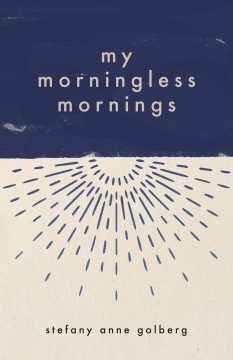 Stefany Anne Golberg’s
 As we continue to distance ourselves from others in the midst of the new coronavirus pandemic, we hear about other people’s new rituals and routines as we formulate our own. As each day to be spent at home stretches (looms) ahead of us when we awake in the morning, rituals give the day shape, symmetry, a framework. What significance do these new rituals have for us individually and as a society? What did the old rituals mean? What if we were to take an anthropological approach to our own predicament?

 Our society needs virologists. Heeding their advice is valuable and consequential. In the Coronavirus pandemic, German politicians listened to the virologists, and Germany is doing relatively well. Other political leaders have (too long) ignored the virologists, and their citizenry is paying a high price.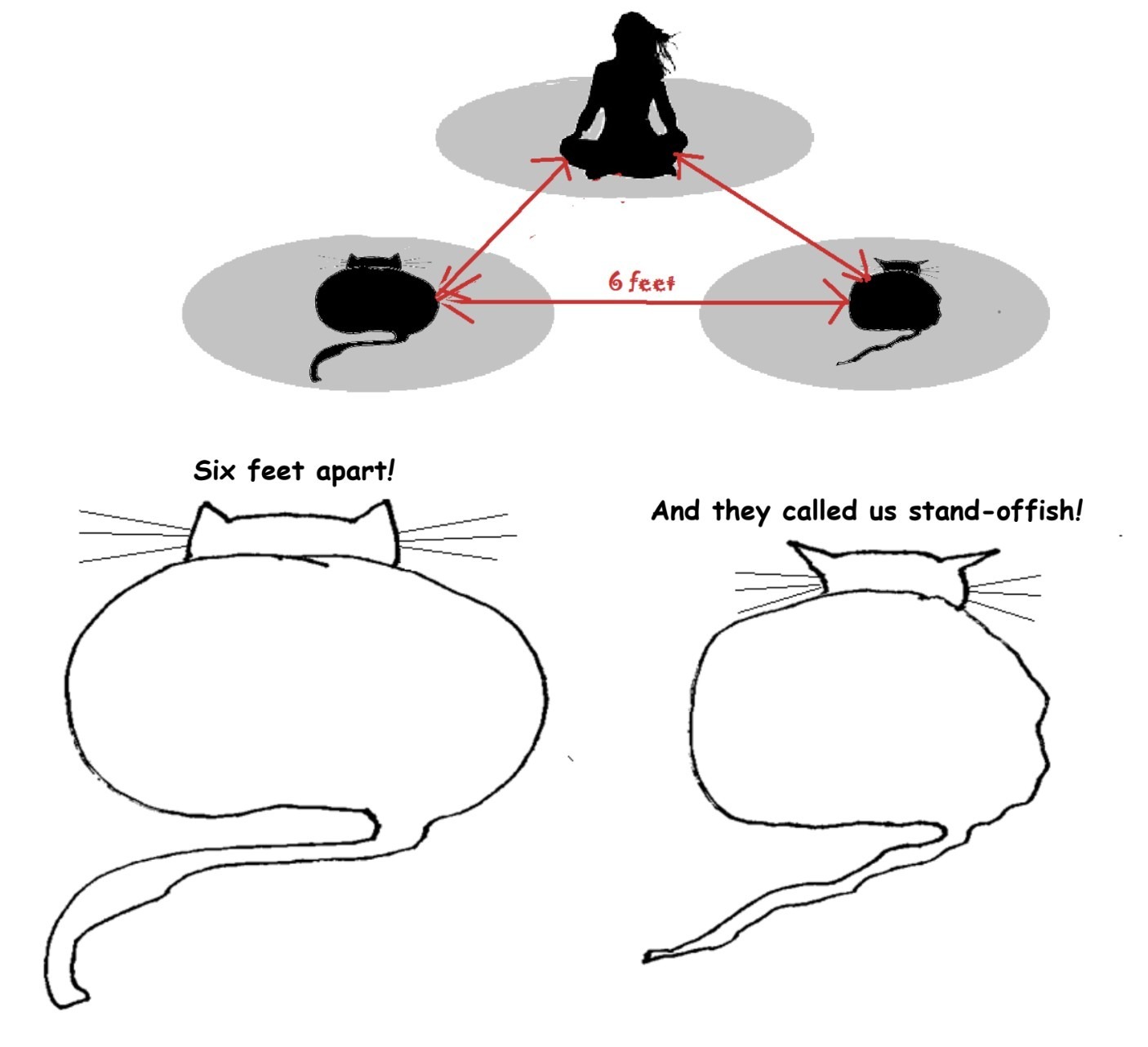



 In contrast with other genres in literature, in crime fiction, which mainly started in the mid-19th century, women writers (and even women sleuths) became active around the same time as male writers and sleuths in their stories. By some accounts around the middle of 1860’s, both the first modern detective novels (by female as well as male writers in US, UK and France) and the first professional female detectives in them (one Mrs. G— in one case, Mrs. Paschal in another, both working for the British police) appeared. Most of us, of course, are more familiar with characters in the Golden Age of crime fiction of the 1920’s and the 1930’s, particularly, Agatha Christie’s Miss Jane Marple and Dorothy Sayers’ Harriet Vane. The number of female writers and sleuths has proliferated in recent decades. It goes without saying that not all of the female crime novelists come out as feminists, and that some male writers can do feminist crime novels quite well.
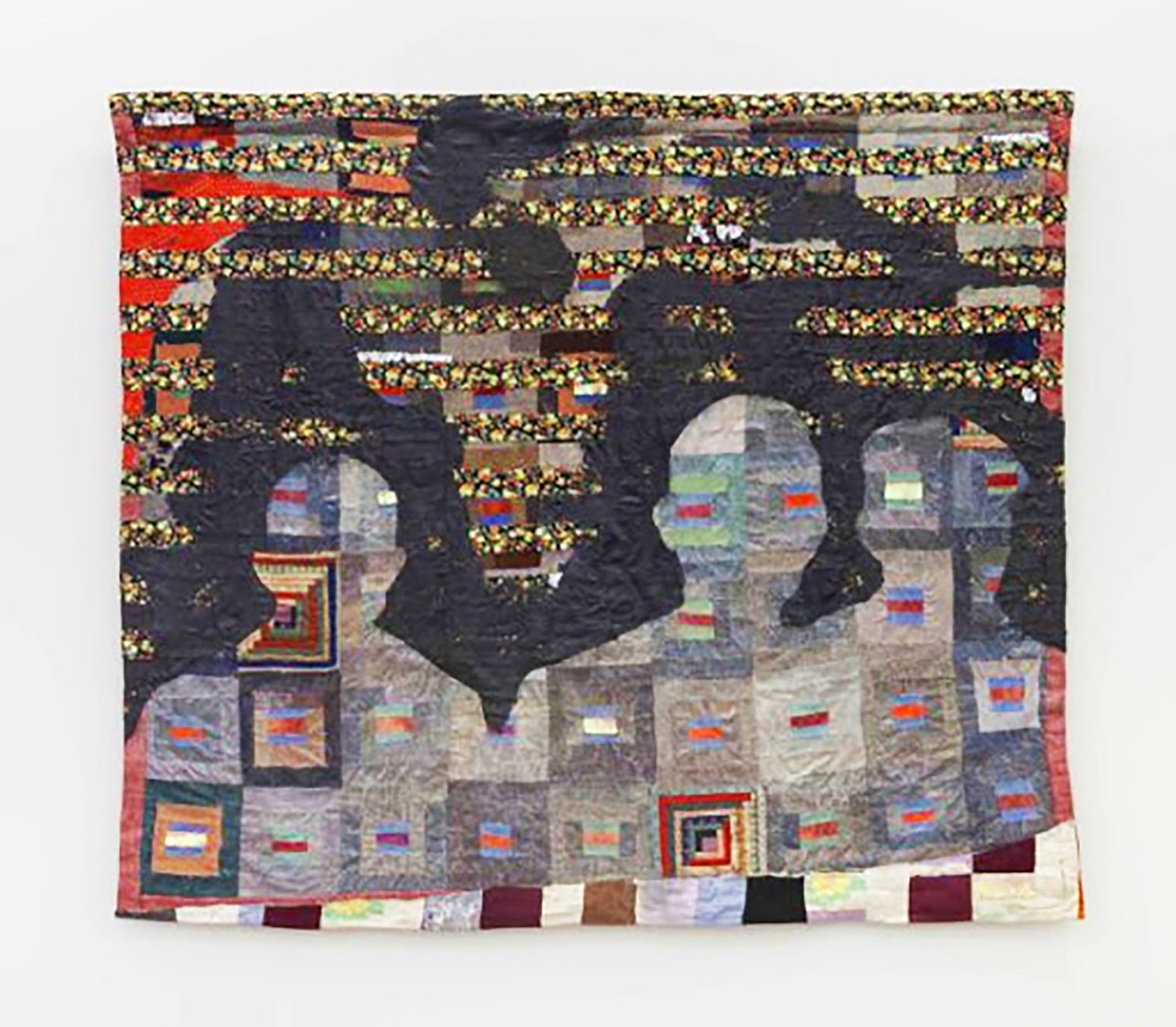
 Sughra Raza. Untitled; Arnold Arboretum, Boston, March, 2020.