
by Andrea Scrima
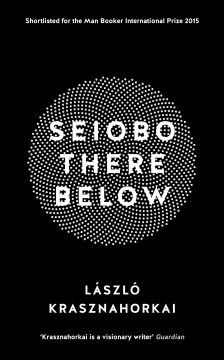 The stories in Seiobo There Below, if they can be called stories, begin with a bird, a snow-white heron that stands motionless in the shallow waters of the Kamo River in Kyoto with the world whirling noisily around it. Like the center of a vortex, the eye in a storm of unceasing, clamorous activity, it holds its curved neck still, impervious to the cars and buses and bicycles rushing past on the surrounding banks, an embodiment of grace and fortitude of concentration as it spies the water below and waits for its prey. We’ve only just begun reading this collection, and already László Krasznahorkai’s haunting prose has submerged us in the great panta rhei of life—Heraclitus’s aphorism that everything flows in a state of continuous change.
But the chapters of Seiobo There Below are not really independent stories; rather, they form a precisely composed sequence of illuminated moments that are interconnected in many complex ways. Of these, “Kamo-Hunter” is the only one that does not describe a process of artistic creation, but a bird’s (and by implication the narrator’s) power of focus, the heightened state of awareness necessary to stem itself against the wind and resist the pull of the current to remain perfectly still until the moment arrives to snatch up its prey. And suddenly it’s less a matter of the ceaseless movement of all things, but of absolute composure, a deepest possible being in the present tense, a kind of timelessness in which the moment and eternity conjoin to create a brief flash of transcendence. It is about “one time, immeasurable in its passing, and yet beyond all doubt extant, one time proceeding neither forward nor backwards, but just swirling and moving nowhere.” This, in short, is the nature of the concentration required to create art—and what makes “Kamo-Hunter” such a cogent opening to this novel. Read more »
 by Callum Watts
 “Battle of Algiers”, a classic 1966 film directed by Gillo Pontecorvo, seized my imagination and of my classmates as well when it was shown three years later at the Palladium in Srinagar. A teenager wearing bell-bottoms, dancing the twist, I was a Senior at Sri Pratap College, named after Maharajah Pratap Singh, a Hindu Dogra ruler of Muslim majority Kashmir.
 I remember as a child watching the made-for-tv movie
 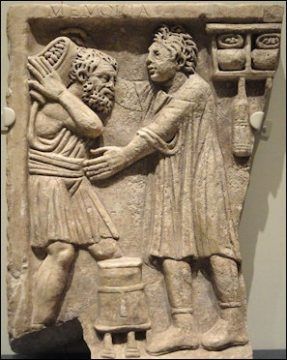 Whether or not a certain line of work is shameful or honorable is culturally relative, varying greatly between places and over time. Farmers, soldiers, actors, dentists, prostitutes, pirates and priests have all been respected or despised in some society or other. There are numerous reasons why certain kinds of work have been looked down on. Subjecting oneself to the will of another; doing tasks that are considered inappropriate given one’s sex, race, age, or class; doing work that is unpopular (tax collector); or deemed immoral (prostitution), or viewed as worthless (what David Graeber labelled “bullshit jobs”), or which are just very poorly paid–all these could be reasons why a kind of work is despised, even by those who do it. One of the oldest prejudices though, at least among the upper classes in many societies, is against manual labour.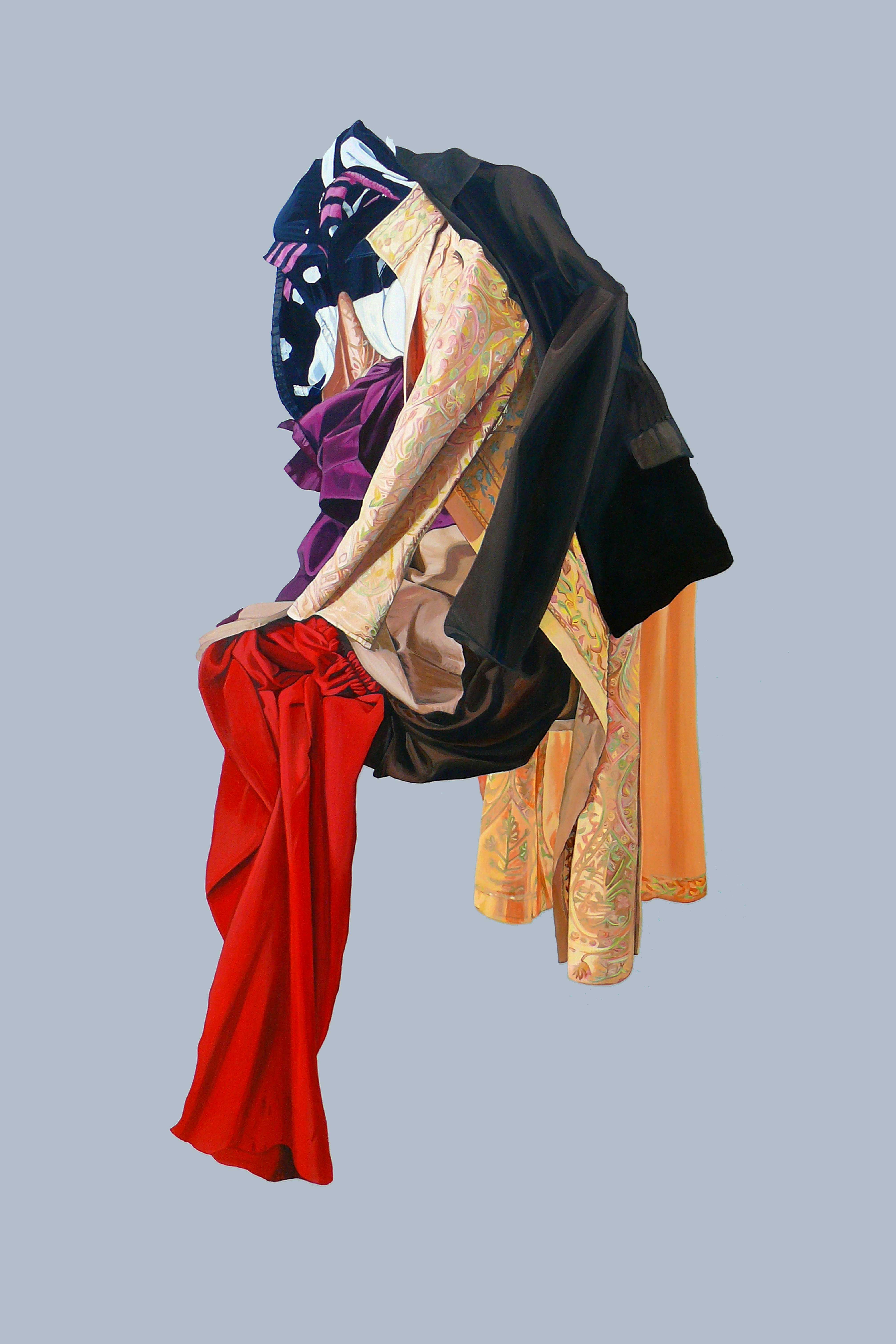


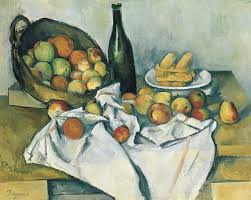 A life in which the pleasures of food and drink are not important is missing a crucial dimension of a good life. Food and drink are a constant presence in our lives. They can be a constant source of pleasure if we nurture our connection to them and don’t take them for granted.
 At the beginning of our story—paraphrased from an origin story remembered by a
  There is a minor American myth about shame and regret. It goes like this.
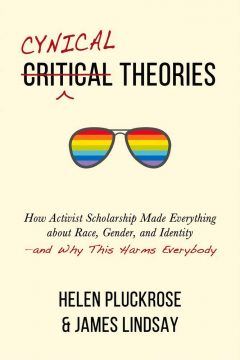 The most charitable, forward-looking take on the science wars of the 90s is Stephen Jay Gould’s, in The Hedgehog, the Fox, and the Magister’s Pox (2003), a delightful book about dichotomies between the sciences and humanities. His diagnosis is primarily that scientists have taken too literally or too seriously some fashionable nonsense, and overreacted; and if everybody can just calm down already, things will be alright and both sides could “break bread together” (108). Gould saw the science wars themselves as a marginal and slightly comical skirmish, almost a mere misunderstanding. “Some of my colleagues”, he said,