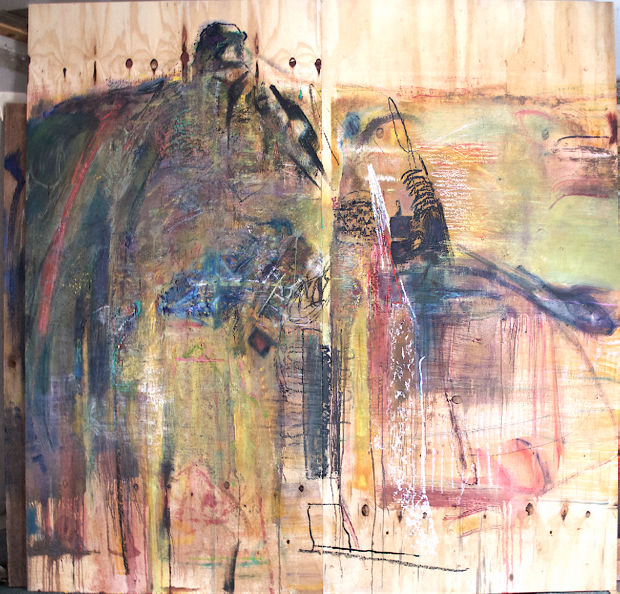
Son, I Again Dreamt About You Last Night
A version after Iqbal
I couldn’t find the road in the dark,
my every hair bristled
but I dared myself and walked on,
saw boys swaying in single file,
each holding a Diya lamp in his hand,
their clothes glowed like emeralds—
God only knew where they were going. . .
I saw you at the end of the line,
your Diya unlit. “Heartbeat of my heart,”
I said, “where are you going after abandoning
me? All day I thread my tears into a necklace.
“Don’t weep for me,” you said, “don’t yearn
for me there is no gain in it for me —”
then you fell silent for a moment
looked at your Diya again, and spoke
“Mother,
do you know what happened? Your tears
of sorrow dowsed it.”
***
By Rafiq Kathwari. His new collection of poems “My Mother’s Scribe” (Yoda Press) is available here and here.
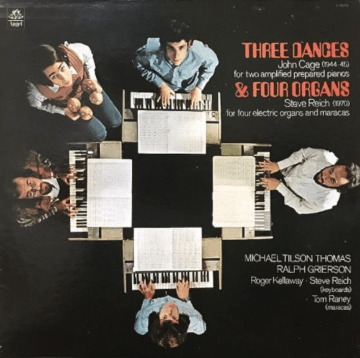 car when driving alone. Yet my momentary career as a musical performer—exceedingly brief as it may have been—enjoyed a spotlight rarely offered to others.





 Wine and music pairing is becoming increasingly popular, and the effectiveness of using music to enhance a wine tasting experience has received substantial empirical confirmation. (I summarized this data and the aesthetic significance of wine and music pairing
  Two weeks ago European soccer world was rocked by an announcement that 12 of the top clubs had agreed among themselves to form a European Super League (ESL) to replace the existing European Champions League (ECL). The “dirty dozen” were Real Madrid, Barcelona, Atletico Madrid, Juventus, Inter Milan, AC Milan, Manchester United, Manchester City, Liverpool, Arsenal, Chelsea, and Tottenham. These teams were to be joined by another 8, bringing the total up to 20. A defining feature of the ESL would be that 15 of its members would be guaranteed their place in the competition no matter how they performed the previous year or in their domestic competitions.
 All of human life is quite literally coded into two long, complementary strands of genetic material that fold themselves into a double helix. When cells divide, copies of this genetic code must be made – a process that is known as replication. The double helix unwinds, and a “replication fork” makes its way down the helix in much the same way that a slider separates the teeth of a zipper. Once separated, enzymes get to work on replicating them. Except, only one of the strands is replicated continuously. The second strand is replicated piecewise first, and these pieces – called Okazaki fragments – are then fused together.
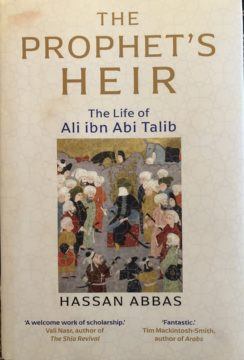 Hassan Abbas’s book, “The Prophet’s Heir: The Life of Ali ibn Abi Talib,” provides an excellent basis for much research, reflection and conversations.