by Peter Wells

Beliefs tend to cluster in packages. It’s a fair bet that a member of the British Liberal Democrat Party will be an opponent of Brexit, and a supporter of Amnesty International, that doughty advocate of all good things. And one thing the Lib Dems, the EU, and AI have in common is that they all oppose the Death Penalty. However, package-deal thinking is not mandatory, nor universal. So perhaps one could call oneself a liberal (small <l>) and still contemplate the possibility of condoning Capital Punishment, especially as the great J S Mill (pictured) condoned it too (link).
Like Mill, I regret finding myself opposed to “those who are called the philanthropists,” those well-meaning people who are “so steadily and almost uniformly to be found on the side of right.” But Mill is convinced that in this case the ‘philanthropists’ have erred due to an “exaggerated application of [a] just and highly important principle.” Their ‘principle’ is to provide humane punishments, with opportunities for rehabilitation, for all criminals without exception. However, in the case of what Mill calls ‘aggravated murder,’ it leads them to opt for a punishment that is, in my view, and Mill’s, less humane than the death penalty: long-term imprisonment.
The arguments on either side of this hoary old warhorse of debating competitions are too well known to need rehearsing in detail. Supporters of capital punishment point out that keeping murderers jailed is expensive, and that the funds could be better used for the benefit of other members of our society. They remind us that prisoners can escape, and that even if they don’t, they can continue to do harm, especially to fellow-prisoners. They argue that there is a moral difference between a murder and a legal execution, and that the death penalty deters potential murderers.
On the other hand, opponents assert capital punishment to be morally indistinguishable from murder. They believe that there is no evidence that the penalty is an effective deterrent – rather the contrary. They point out that a wrong conviction is irreversible. As Mill himself remarks, “If by an error of justice an innocent person is put to death, the mistake can never be corrected; all compensation, all reparation for the wrong is impossible.”
My contribution to the debate, for what it is worth, arises from reflecting upon two meanings of the word ‘life.’ Read more »
 Luxuriating in human ignorance was once a classy fad. Overeducated literary types would read Schopenhauer and Kierkegaard and Dostoevsky and Nietzsche, and soak themselves in the quite intelligent conclusion that ultimate reality cannot be known by Terran primates, no matter how many words they use. They would dwell on the suspicion that anything these primates conceive will be skewed by social, sexual, economic, and religious preconceptions and biases; that the very idea that there is an ultimate reality, with a definable character, may very well be a superstition forced upon us by so humble a force as grammar; that in an absurd life bounded on all sides by illusion, the very best a Terran primate might do is to at least be honest with itself, and compassionate toward its colleagues, so that we might all get through this thing together.
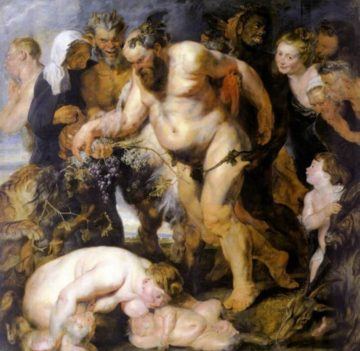 When King Midas asked Silenus what the best thing for man is, Silenus replied, “It is better not to have been born at all. The next best thing for man would be to die quickly.”
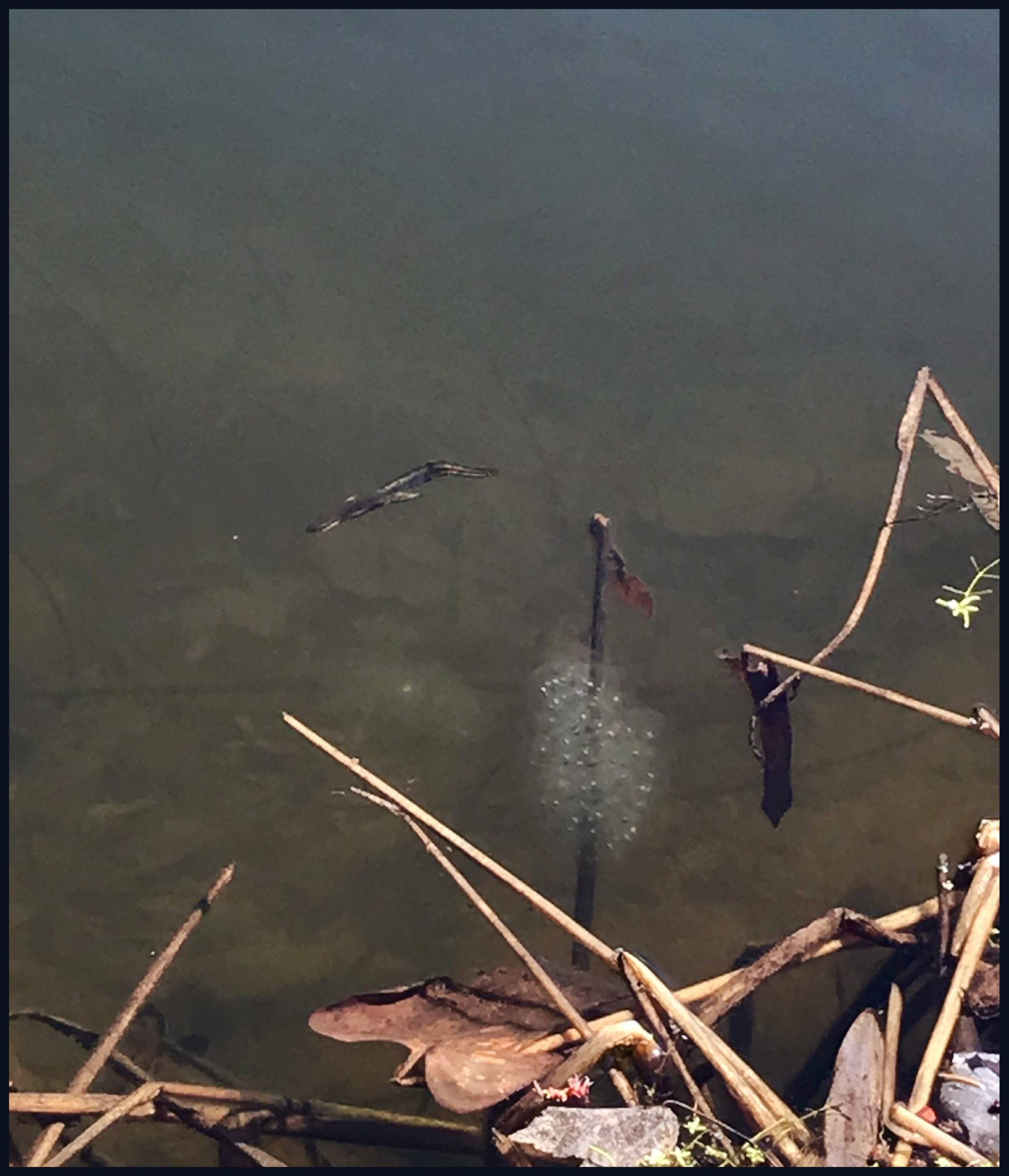 Sughra Raza. Untitled. April 2021


 A rose is a rose is…well, you know. Botanically, a rose is the flower of a plant in the genus Rosa in the family Rosaceae. But roses carry the weight of so much symbolism that a rose is seldom only a rose.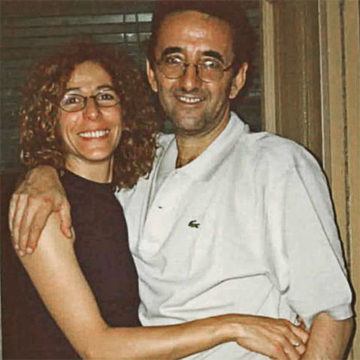


 By the time I started regular school my father’s home-schooling had prepared me enough to sail through the various half-yearly and annual examinations relatively easily. Indian exams, certainly then and to a large extent even now, do not test your talent or learning ability, they are mainly a test of your memorizing capacity and dexterity in writing coherent answers in a frantic race against time. I found out that I was reasonably proficient in both, and that it is for the lack of proficiency in these two qualities some of my friends, whom I considered highly imaginative and creative, were not doing so well in school.
 Everyone agrees that early cancer detection saves lives. Yet, practically everyone is busy studying end-stage cancer.