by Pranab Bardhan
All of the articles in this series can be found here.
 Growing up in India I knew how hierarchical and status-oriented Indian society was, but the city of New Delhi took it to a bureaucratic extreme. I was told that in those days, if you gave out your Government quarters address, people would immediately know your approximate salary scale. The city’s residential pattern, inherited from the colonial rulers, was highly structured. If you are a top Secretary in a Ministry, your assigned quarters will be a large bungalow with acres of gardens in prize real estate in the city center, often a short distance from your office which you traverse in a chauffeur-driven official car. But if you are a lowly clerk or an orderly/peon in the same office building, you’ll come in a crowded bus from many miles away often outside the city.
Since I used to go to office by bus (until a colleague started giving me a ride in his car), I also noticed a peculiar pattern in the plying of Delhi state buses, compared to the buses I was familiar in Kolkata. You are waiting at a bus stop along with dozens of other people of different age groups and different amounts of baggage with them, and you’ll see bus after bus skipping your stop, particularly if they don’t have to unload any passengers at that stop. (Economists, of course, will point out that the bus driver and conductor on fixed pay have no incentive to take more passengers). And if the bus does have someone getting off at that stop, it will stop some distance away, and by the time all the waiting passengers with their baggages run to reach there, the bus is likely to have sped off. Read more »






 Sometimes our American ideas about social problems and how to fix them are downright medieval, ineffective, and harmful. And even when our methods are ineffective and harmful, we are likely to stick to them if there is some moralistic taint to the issue. We are the children of Puritans, those refugees who came to America in the 17th century to escape King Charles.

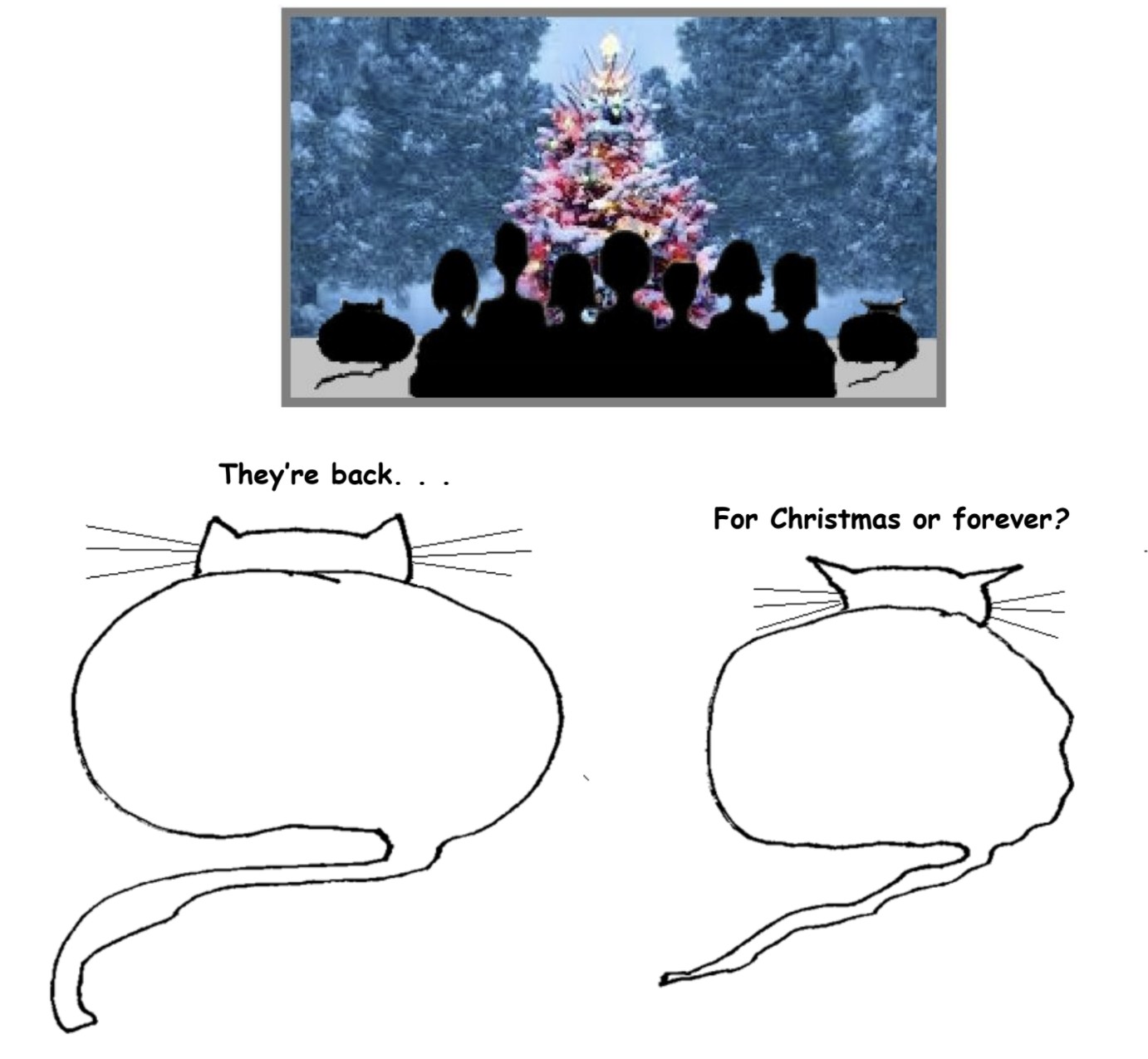
 One of my earliest memories was of Christmas Eve in 1954. I was about 3 or 4 years old, playing under a table at my grandmother’s house. My sister and a cousin were with me, playing with a small wooden crate filled with straw. The crate represents the manger in the stable in Bethlehem 1,954 years ago, where the animals welcomed the baby Jesus, since there were no rooms in the inn. We three kids were waiting for the adults to come to the table to join us for Wigilia, the traditional Christmas Eve feast, after which we would move to the living room, sing Polish Christmas Carols, and wait for an uncle disguised as Santa to arrive with presents for everyone.