by Pranab Bardhan
All of the articles in this series can be found here.
 Gérard Roland came to Berkeley only around the turn of this century. He grew up in Belgium, was a radical student, and after the student movements of Europe subsided, he supported himself for a time by operating trams in the city. When he was wooing his girlfriend (later wife), Heddy, she used to get a free ride in his trams. (A few years back when I visited them one summer in their villa in the Italian countryside near Lucca, Heddy told me in jest that those days she was content with a free tram ride, but now she needed a house in Tuscany to be placated). Gérard is also a good cook.
As with Andreu, my special link with Gérard was based on our shared interests in history, politics and culture. In addition, his research involves analyzing institutional rules in the economic development process and issues of comparative economic systems, which have also been part of my own research themes. He comes to this set of issues from his long-run interest in Russia in its process of economic transition after the fall of Berlin wall, and later in China.
At this point I might as well give some perspective for my interest in institutional and comparative-systemic issues in the context of the subsequent developments in the discipline of Economics. By institutions economists do not necessarily mean an establishment or organization. They apply the term to imply general rules and practice and custom in economic arrangements. I have earlier talked about my interest in and detailed empirical work on agrarian relations in Indian villages—these relations are often examples of small-scale economic institutions at the micro-level. Thus sharecropping, that my early work was concerned with, is a prime example of an age-old economic institutional arrangement. Read more »
 Every hour of every day I hear the pulsating rush of le Periph and I am reminded that Paris is dead. My dorm is at the very bottom of Paris such that if the city were a ball I’d be the spot that hits the ground. I sit in my windowsill. I watch cars drive on the highway in an unending flow, like blood in veins, fish in streams, but they’re all metal idols of life. Life does not go this fast. Life stops to take a rest.
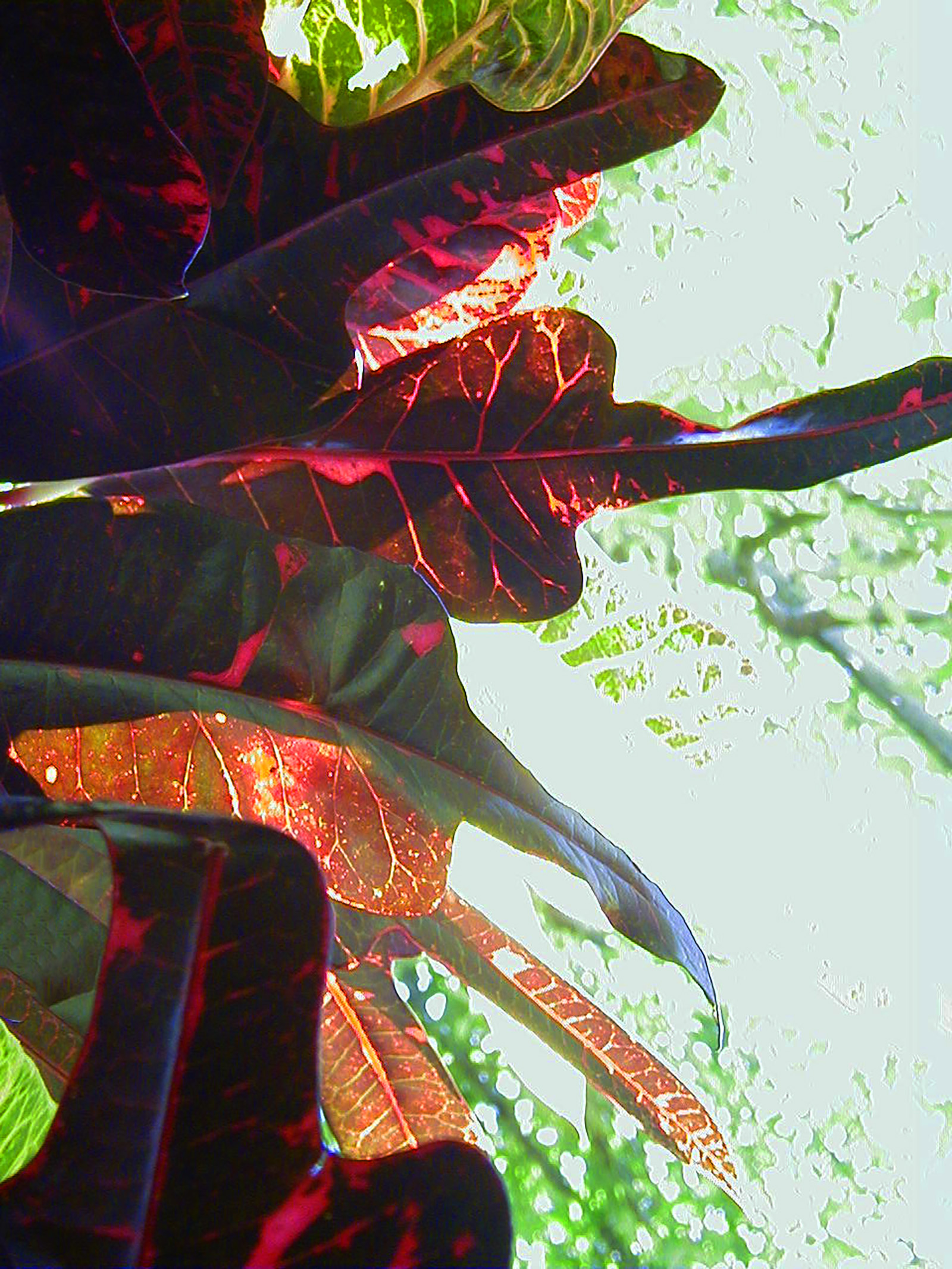 Sughra Raza. Color Burst, Costa Rica 2003.
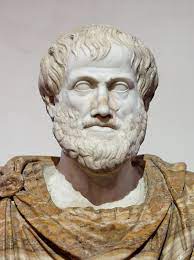 For many of the ancient philosophers that we still read today, philosophy was not only an intellectual pursuit but a way of life, a rigorous pursuit of wisdom that can guide us through the difficult decisions and battle for self-control that characterize a human life. That view of philosophy as a practical guide faded throughout much of modern history as the idea of a “way of life” was deemed a matter of personal preference and philosophical ethics became a study of how we justify right action. But with the recognition that philosophy might speak to broader concerns than those that get a hearing in academia, this idea of philosophy as a way of life
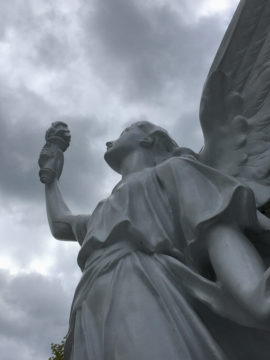



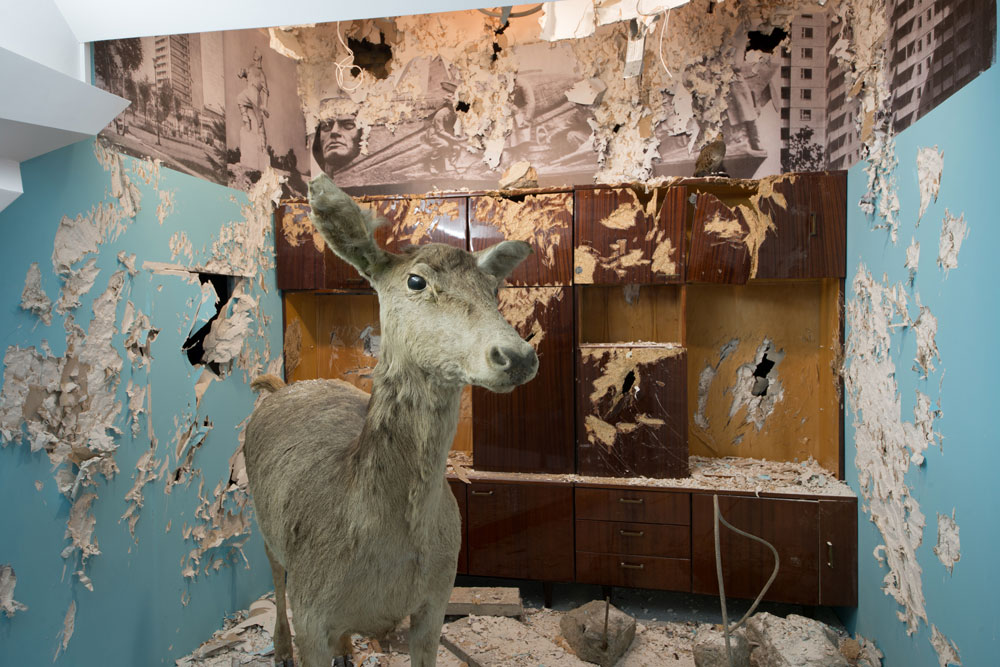 Nikita Kadan. Hold The Thought, Where The Story Was Interrupted, 2014.