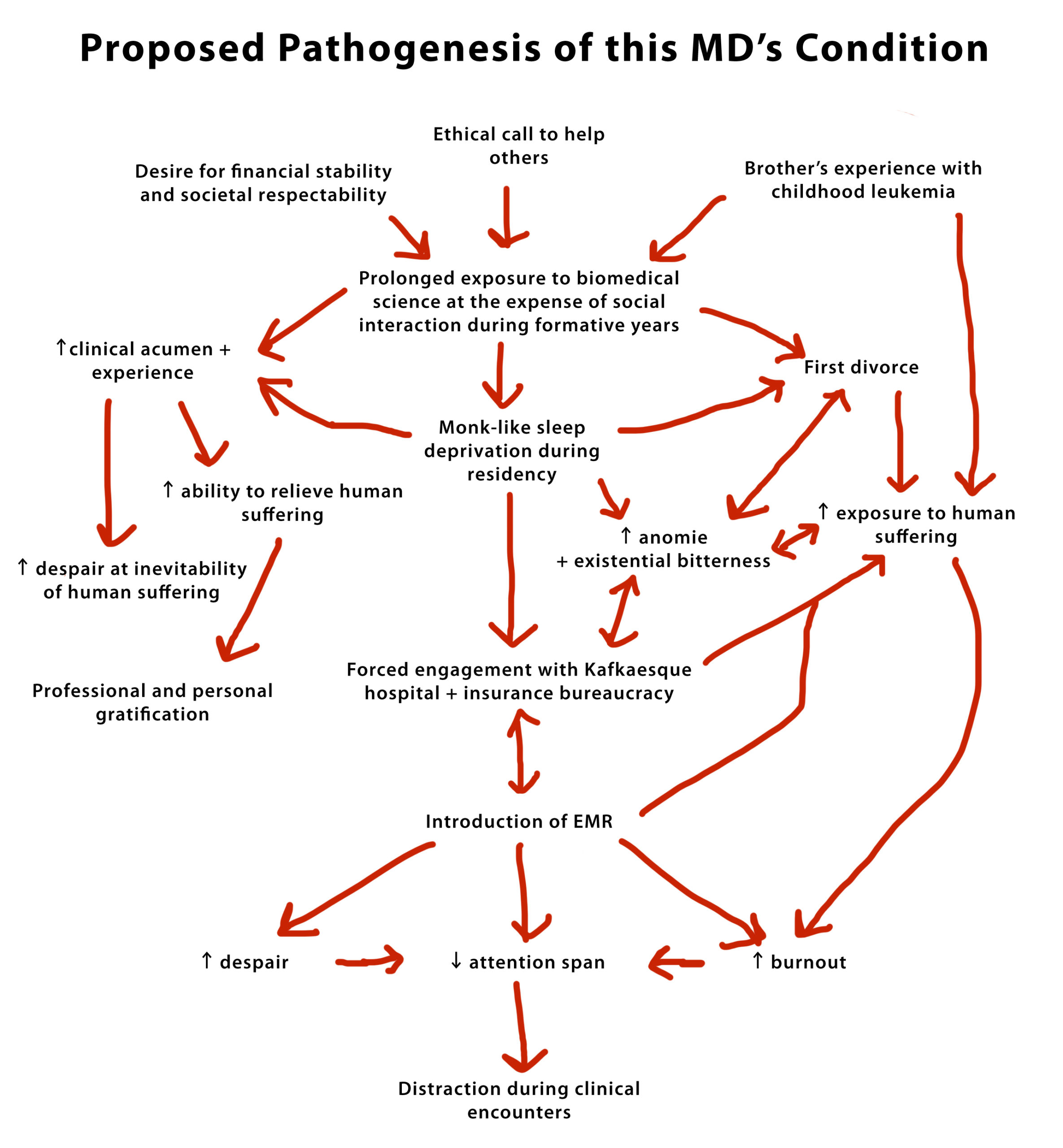
by Michael Abraham
 My mom always told me if I didn’t separate my lights from my darks, I would ding my white laundry. I always thought this was nonsense. And, in fact, in the fancy washing machine in the apartment I shared with my husband, this was nonsense. Oh, I was absolutely reckless! I would toss bright red shirts in with white sheets and black jeans in with cream-colored t’s. And it was always alright in the end. The whites stayed white, and the colors did not fade. I was confident in my millennial assessment that separating the lights from the darks was simply Gen X anxiety, old wisdom, no longer applicable, démodé even.
Divorce means many things, and, well, one of the things that mine means is that I no longer have a fancy, in-unit washing machine. So, I am at the laundromat as I write this. And I have just finished the wash cycle. I pull my clothes out one by one to put them into the wheeled hand cart that will transport them to the dryer. I pull out a few pink shirts and a few blue shirts, and these look fine, smell fresh. And then I pull out the first white one, and it is gray. And then the next white one: gray. And so on and so forth. They are all dinged, ruined, good only for sleeping in. (My mother tells me on a phone call that I can bleach out this mistake, and this time I trust her Gen X wisdom.) I hold in my frustration. I try to chuckle about it. I load the dryer, and I go for a drink at the bar down the street (it is Sunday after all), where—after a rousing conversation with the bartender, Pedro—I continue to write this. I pray that, if someone steals my laundry, they only steal the once-white, gray t-shirts. At this point, I don’t much care.
The laundromat is an apt metaphor for where I’m at in my life right now. Read more »

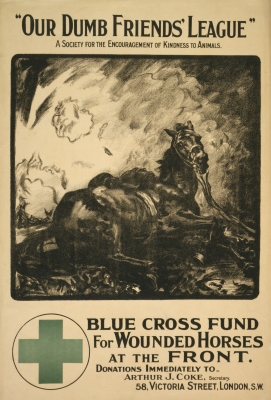
 Fifty years ago this July, newspaper headlines shocked the conscience of the nation with a disturbing story of racial bias and medical mistreatment in one of America’s most honored institutions. The alarming Associated Press story first appeared on July 25, 1972 in the Washington Star. The front page headline, “Syphilis Patients Died Untreated,” caught readers attention. They’d go on to read that the goal of a strange, non-therapeutic experiment conducted by the United States Public Health Service (USPHS) was not to treat the sick or save lives, but “determine from autopsies what the disease does to the human body.”
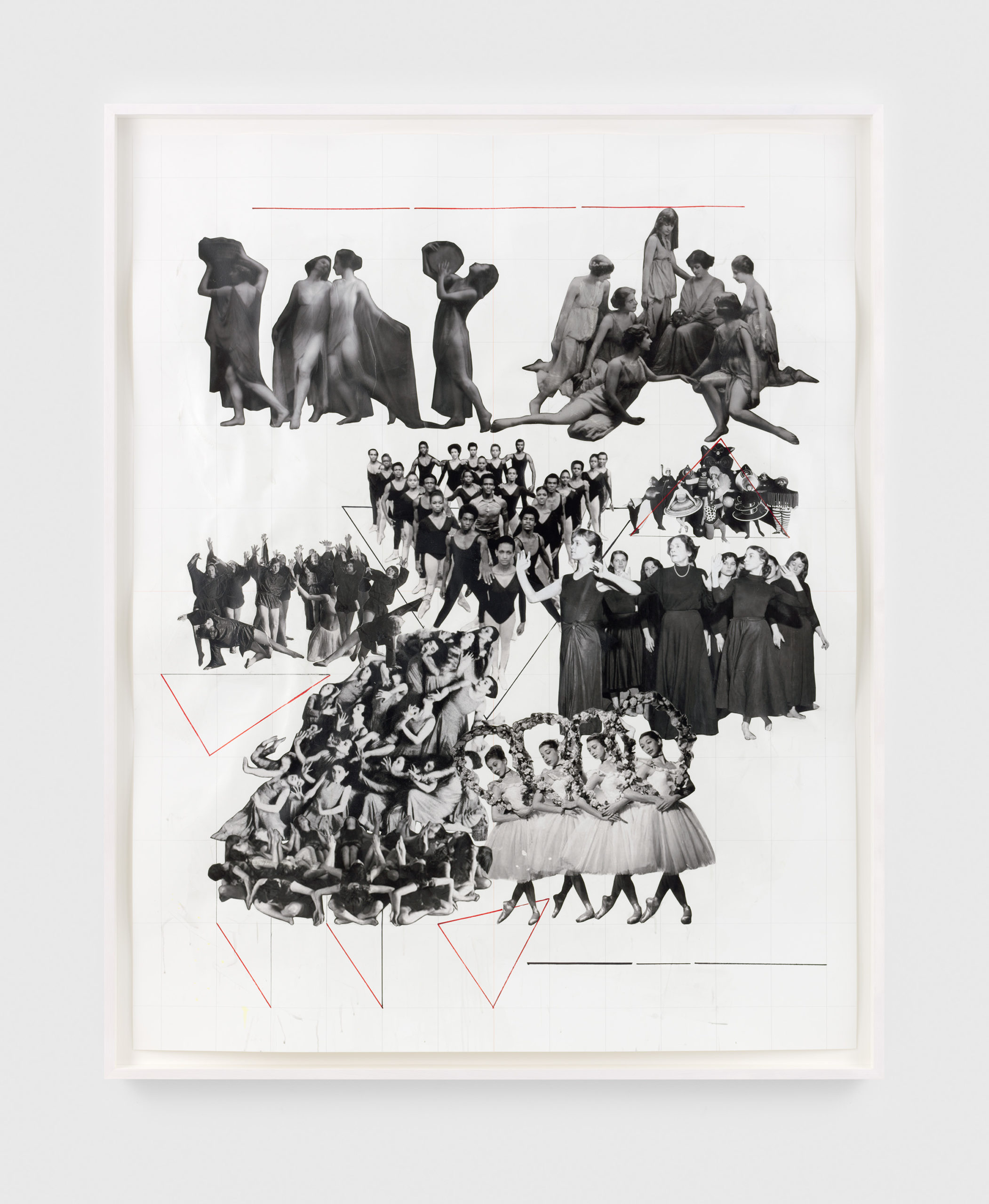 Kandis Williams. Triadic Ensemble: stacked erasures, 2021.
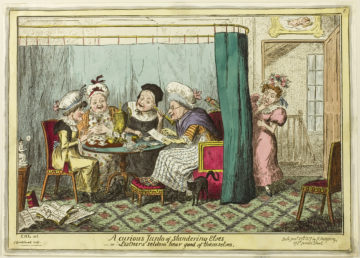
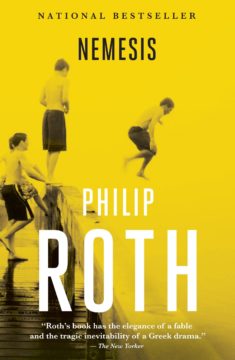 I recently read Philip Roth’s Nemesis, a novel that’s received renewed attention as it centers on a polio epidemic. This isn’t why I read it, although I’ll admit that reading about the slow build and then cascading avalanche of a virus, and the public’s nonchalance giving way to caution and then increased panic and hysteria, closely paralleled the events of early 2020. I suppose epidemics and our response to them always play out in a similar fashion. I picked the book off my shelf because I needed something to read—much like the setting of the novel, it’s summer vacation for me. My dad had given me the book some time before, and it had sat there, collecting dust on the shelf built into the low walls of my slope-ceilinged attic apartment. As a rule, I hate receiving books as gifts because I then feel an obligation to read them; instead, I prefer to choose and read a book in a more serendipitous fashion. It’s not something that can be forced. But if the giver of the book knows that their gift will go unread, possibly for years, but will then present itself to be read at the right moment, a book can be a great gift.
 By the time I got to high school, the humanities were seen as a kind of side dish in the educational meal. This was largely due to the exigencies of the space race and an inclination on the part of American society to acquiesce to the suppression of critical thought in the post-war years. The main course from a geopolitical perspective was science and engineering.
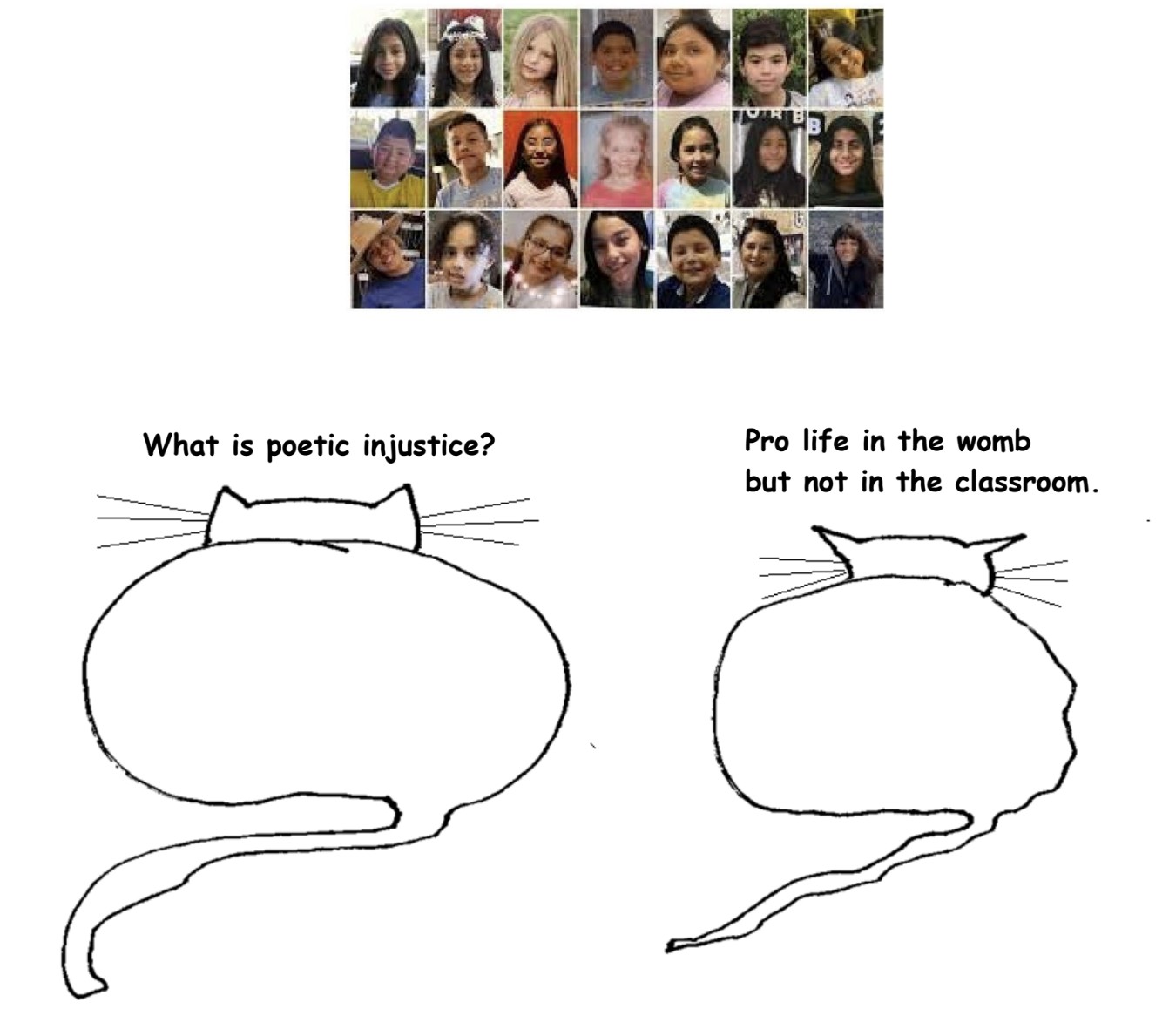
 Guns guns guns
  Since 1990 I have also visited Vietnam a few times. Vietnamese economic reform (called doi moi) started in the mid-1980’s. On my first visit I found Hanoi to be more like a small quiet town in India, with a lot of poverty (and some begging in the streets, but not many visibly malnourished children), while Saigon or Ho Chi Minh City was somewhat better-off, and more raucous and colorful. One lecture I gave in Vietnam was titled “ The Rocky Road to Reform” where I spelled out the challenges of economic transition from a state-dominated economy; after my lecture a Vietnamese academic came to me and said, “Our roads are all full of potholes, so we are used to the ‘rocky road’ of challenges”!

 Sughra Raza. Shadows on Beech Trunk, May 21, 2022.
 Not
Not