
by Rebecca Baumgartner
 In his book Enlightenment Now, when discussing the drastic improvements in quality of life over the past several decades, Steven Pinker says that “the liberation of humankind from household labor is in practice the liberation of women from household labor. Perhaps the liberation of women in general.” The most exciting promise of technology is that it will make being a human slightly less terrible. In the case of household appliances, the claim is that they will make being a woman slightly less terrible.
Once women gained access to new labor-saving devices, the story goes, they were liberated from drudgery. We all seemingly agree that these innovations have given us our time back, shifting the role of the home from a place of production to a place of consumption. What used to be produced at home (often by women) is now purchased outside the home in the form of goods and services. Everybody wins! Progress has leveled the playing field and given women so much free time that they’re at liberty to enter the workforce in historically unprecedented numbers.
Well, hang on a minute. If these devices were supposed to create so much free time and lead to “the liberation of women in general,” then why do women continue to do significantly more household labor than men? Read more »

 Sughra Raza. This Moment … late June 2022.
 I know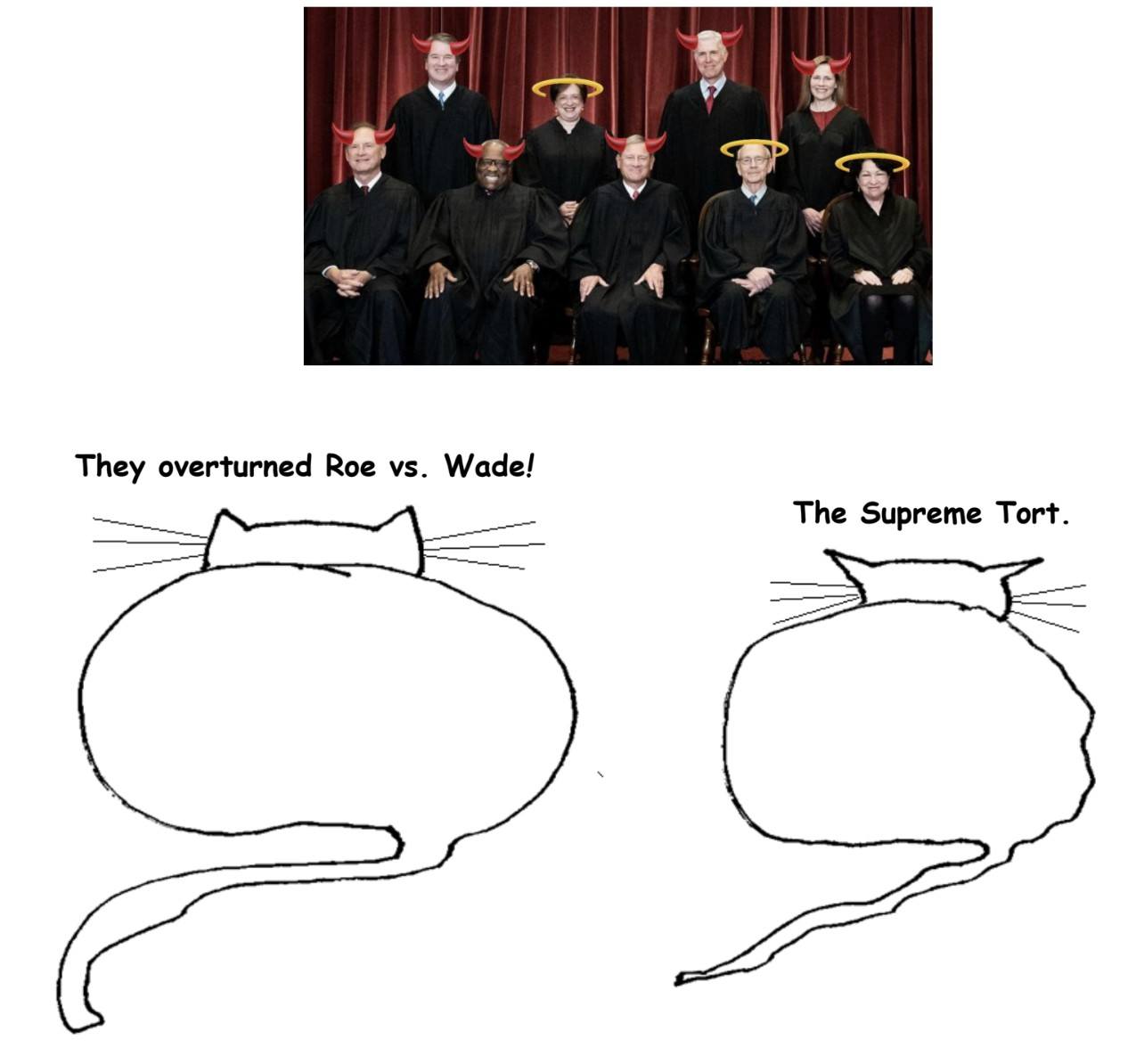



 Some years after Carlos died, another friend and another noted development economist, Hans Binswanger, was diagnosed as HIV-positive. He initially took that as a death sentence and gave away much of the material things he had. But by then the new antiretroviral drugs were in use, and possibly because of them lived an active life for another quarter century, until he died in Pretoria, South Africa in 2017 at age 74. In 2002, shortly before he left his World Bank job, he founded and endowed an NGO in Zimbabwe, that supported about 100 mostly HIV-positive children and their families by providing education, supplemental health care, and counseling. In South Africa he married his boyfriend Victor in a traditional multi-day Zulu celebration. Since then he has always identified his last name as Binswanger-Mkhize.
 Carved in marble above the entrance to the Supreme Court Building is the motto: “Equal Justice Under The Law.”
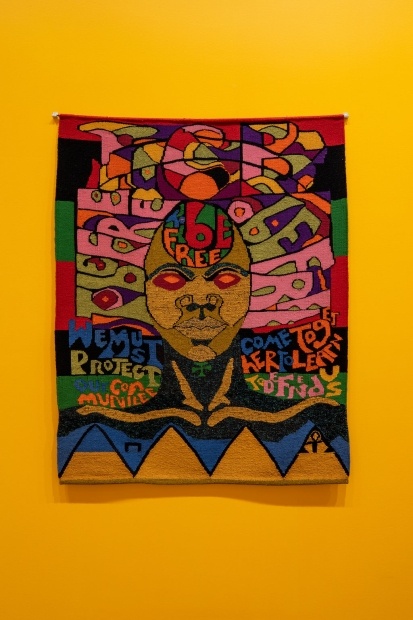 Napoleon Jones-Henderson. TCB, 1970.

 Dreams are about questions.


 I had a colleague, a great reader, whose favorite material was mid-century Japanese short-form realism. Frequently epistolary and often featuring at least one frame narrative, these novellas typically have as their narrator someone captivated, not to say obsessed, by a memory; and that memory, it seemed to me when I read the works my colleague lent me, is almost inevitably fed by an erotic or romantic encounter, as well as by its often calamitous sequelae.