
by Andrea Scrima
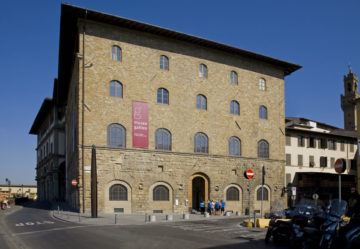 This past spring, I found myself sitting, masked, at a wooden desk among a scattering of scientific researchers at the Museo Galileo in Florence. Next to me was a thick reference book on the history of astronomical instruments and a smaller work on the sundials and other measuring devices built into the churches of Florence to mark the cyclical turning points of cosmic time. The gnomon of Santa Maria del Fiore, for instance, consisted of a bronzina, a small hole set into the lantern ninety meters above that acted as a camera oscura and projected an image of the sun onto the cathedral floor far below. At noon on the day of the solstice, the solar disc superimposed itself perfectly onto a round marble slab, not quite a yard in diameter, situated along the inlaid meridian. I studied the explanations of astronomical quadrants and astrolabes and the armilla equinoziale, the armillary sphere of Santa Maria Novella, made up of two conjoined iron rings mounted on the façade that told the time of day and year based on the position of their elliptical shadow, when all at once it occurred to me that I’d wanted to write about something else altogether, about a person I occasionally encountered, a phantom living somewhere inside me: the young woman who’d decided not to leave, not to move to Berlin after all, to rip up the letter of acceptance to the art academy she received all those years ago and to stay put, in New York. Alive somewhere, in some other iteration of being, was a parallel existence in an alternative universe, one of the infinite spheres of possibility in which I’d decided differently and become a different woman.
Not long before this, a friend in Graz had told me that she’d been born on American soil and so, theoretically at least, was an American citizen. She’d never lived there, however, and this was her ghost, her own parallel existence. In July of 1950, her parents had sailed from Bremerhaven to New York on the United States Army Transport W.G. Haan, a ship of displaced persons that had been reacquired by the Navy and enlisted in the Military Sea Transportation Service. Their intention was to emigrate; they’d applied for their visas, all their papers were in order, and yet they were refused entry and caught in limbo for more than a year before being sent back to Europe. My friend was born in this limbo, on Ellis Island. Read more »
 Among other things London School of Economics is associated in my mind with bringing me in touch with one of the most remarkable persons I have ever met in my life, and someone who has been a dear friend over nearly four decades since then. This is Jean Drèze.
 Although by no means the only ones, two models of human beings and their relation to society are prominent in modern social and political thought. At first glance they seem incompatible, but I want to sketch them out and start to establish how they might plausibly be made to fit together.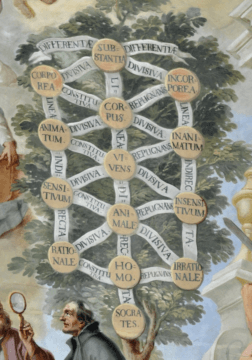
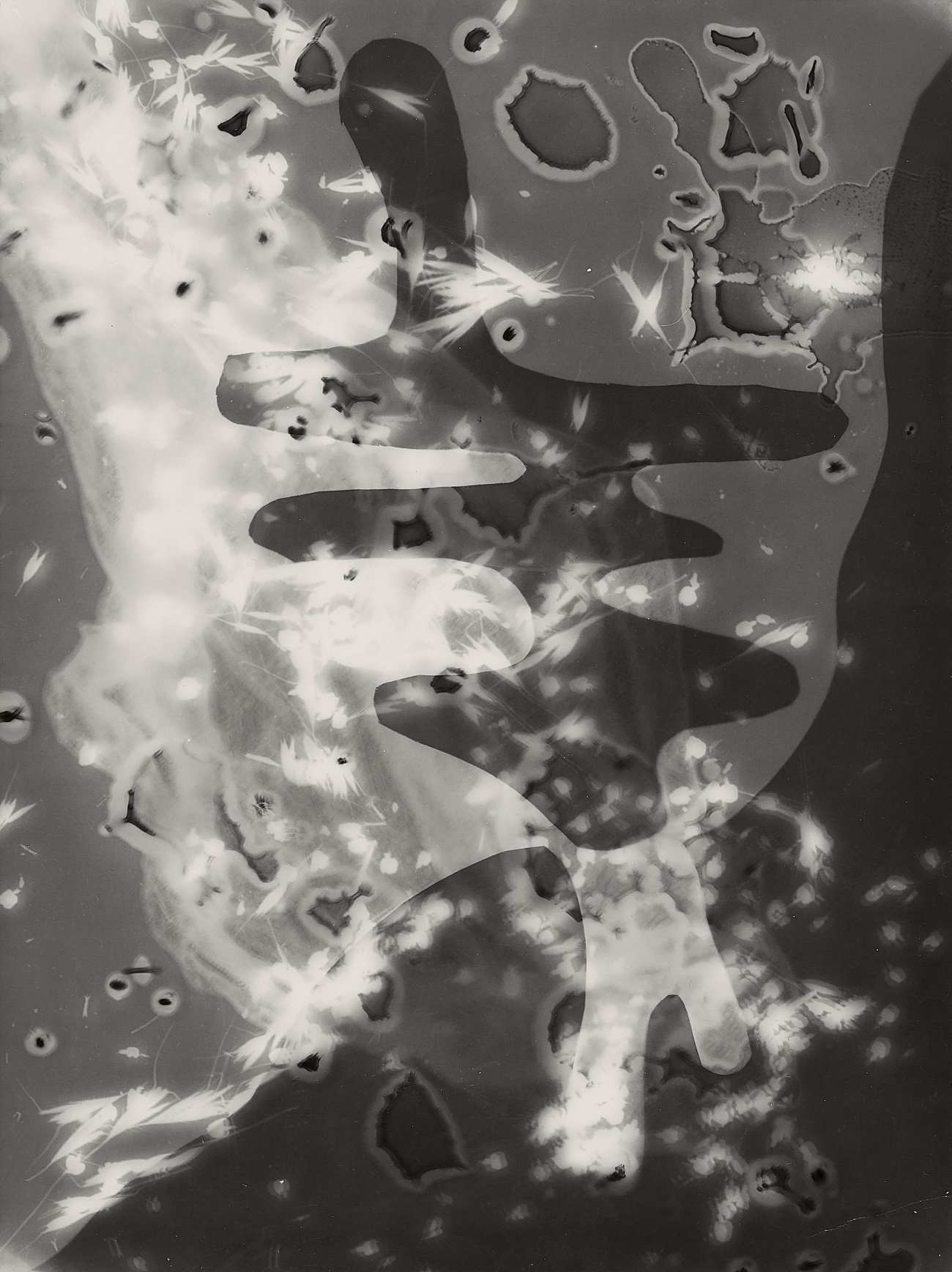 Anneliese Hager. Untitled. ca. 1940-1950
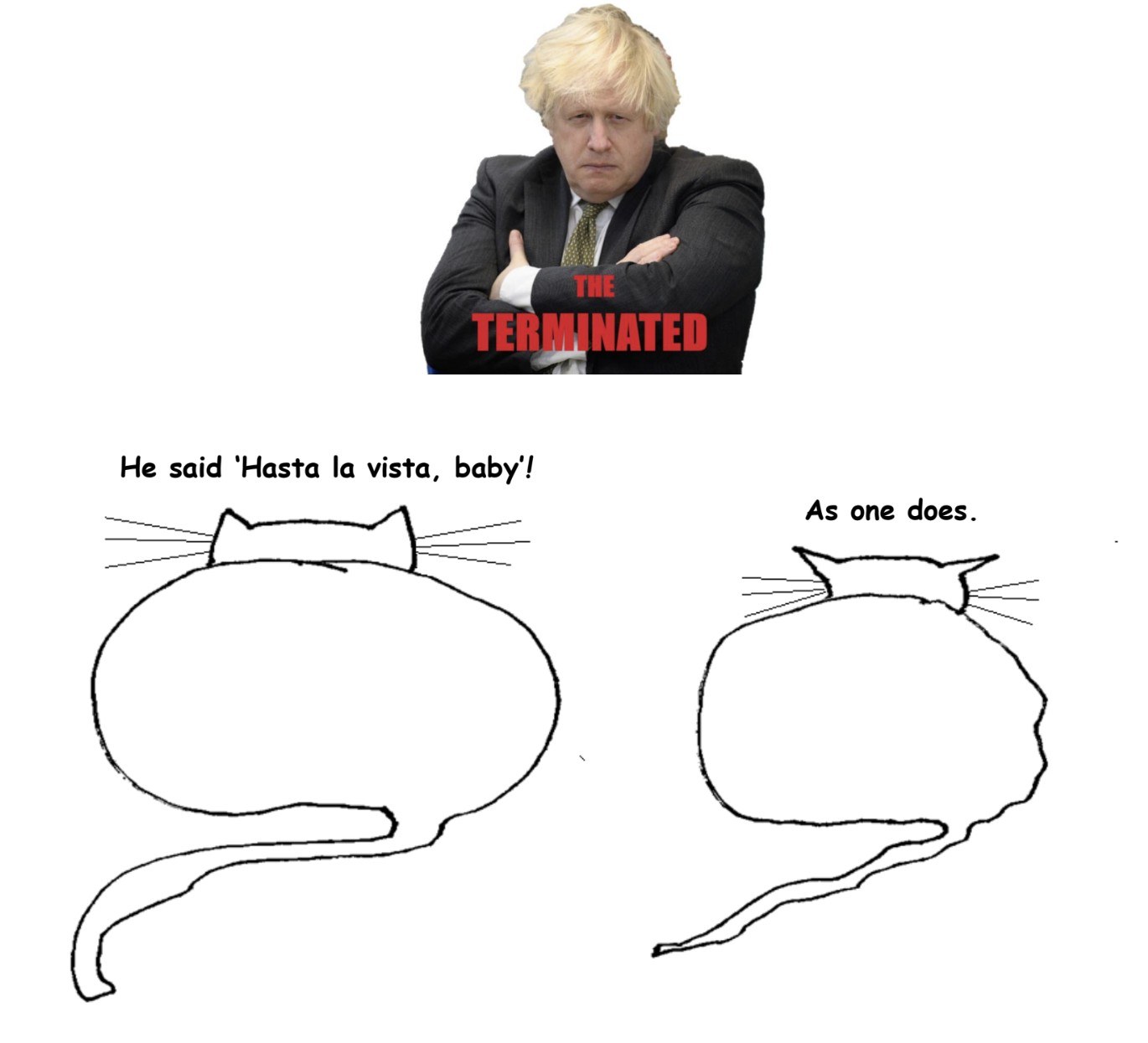
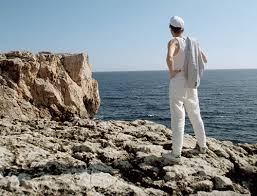
 More than an age of anxiety or anger, of indignation or self-righteousness, we live in an age of the constant high. We need not consume drugs or get inebriated to be met on a daily basis with sights and behaviours to which the only reasonable reaction is an alternation between ‘wow!’ and ‘oh my god…!’ From the still-not-yet-former British prime minister saluting the oldest of the modern parliaments with a deep-felt ‘Hasta la vista
 “
“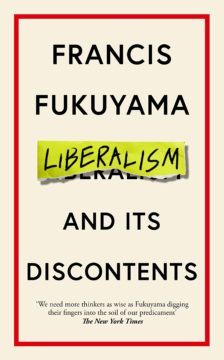 Francis Fukuyama does not mind having to play defense. Recognizing that the problems plaguing liberal societies result in no small part from the flaws and weaknesses of liberalism itself, he argues in Liberalism and its Discontents (Profile Books: 2022) that the response to these problems, all said and done, is liberalism. This requires some courage: three decades ago, Fukuyama may have captured the spirit of the age, but the spirit has grown impatient with liberalism as of late. Fukuyama, however, does not think of it as a worn-out ideal. He has taken note of right-wing assaults, as well as progressive criticisms that suggest a need to go beyond it; and his verdict is that any attempt at improvement will either stay in a liberal orbit or lead to political decay. Liberalism is still the best we have got.
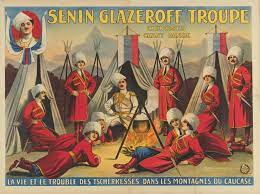 Every now and then, a nation becomes modern. Greeks and Poles and Russians were modern, for a time. Now it’s the Ukrainians’ turn.
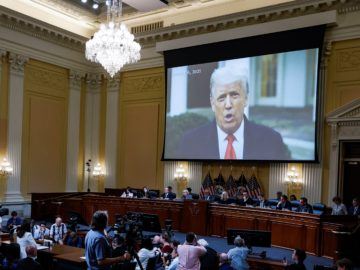 As the January 6th hearings continue and Americans watch
  I knew it was coming, yet I was still surprised when it hit my classroom.
  I think a lot about the fate of human civilization these days.