
by Bill Murray
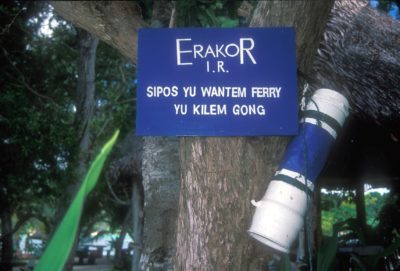 It’s 6:15 on the Erakor Lagoon in Vanuatu. Women in bright print skirts paddle canoes from villages into town. Yellow-billed birds call from the grass by the water’s edge, roosters crow from somewhere, and the low rumble of the surf hurling itself against the reef is felt as much as heard.
Every morning the sky is grayer than blue. Clouds hang close to the hills and the water is green glass, reflecting jungle. We’re staying on a tiny island near the capital city, Port Vila. Last night the heavens inflicted a pounding rain just as we arrived at the ferry dock.
We rise to gasp at the wages of yesterday’s folly – snorkeling from an outrigger in the midday sun. Good bet we’ll stay out of the sun today; we could plausibly be served up as steak tartare, and anyway there’s the thunder, the no fooling rumble you feel through your bare, pink feet in the grass, through the earth.
Vanuatu’s colonial name was New Hebrides. It’s about 80 islands a thousand miles east of Australia. When colonial hands came off, Port Vila was left more British than French. The two countries governed the New Hebrides in an arrangement they called a condominium from 1906 until independence in 1980. Read more »

 It’s not so much that I’m like my father. Rather, I sometimes feel as I understood him to be.
 The anger that escalated at a recent Ottawa-Carlton school board meeting when a trustee proposed and lost a motion to mandate masks, in a setting that typically elicits polite discussion, makes it seem like this type of anger is new and shocking in its inappropriateness. But this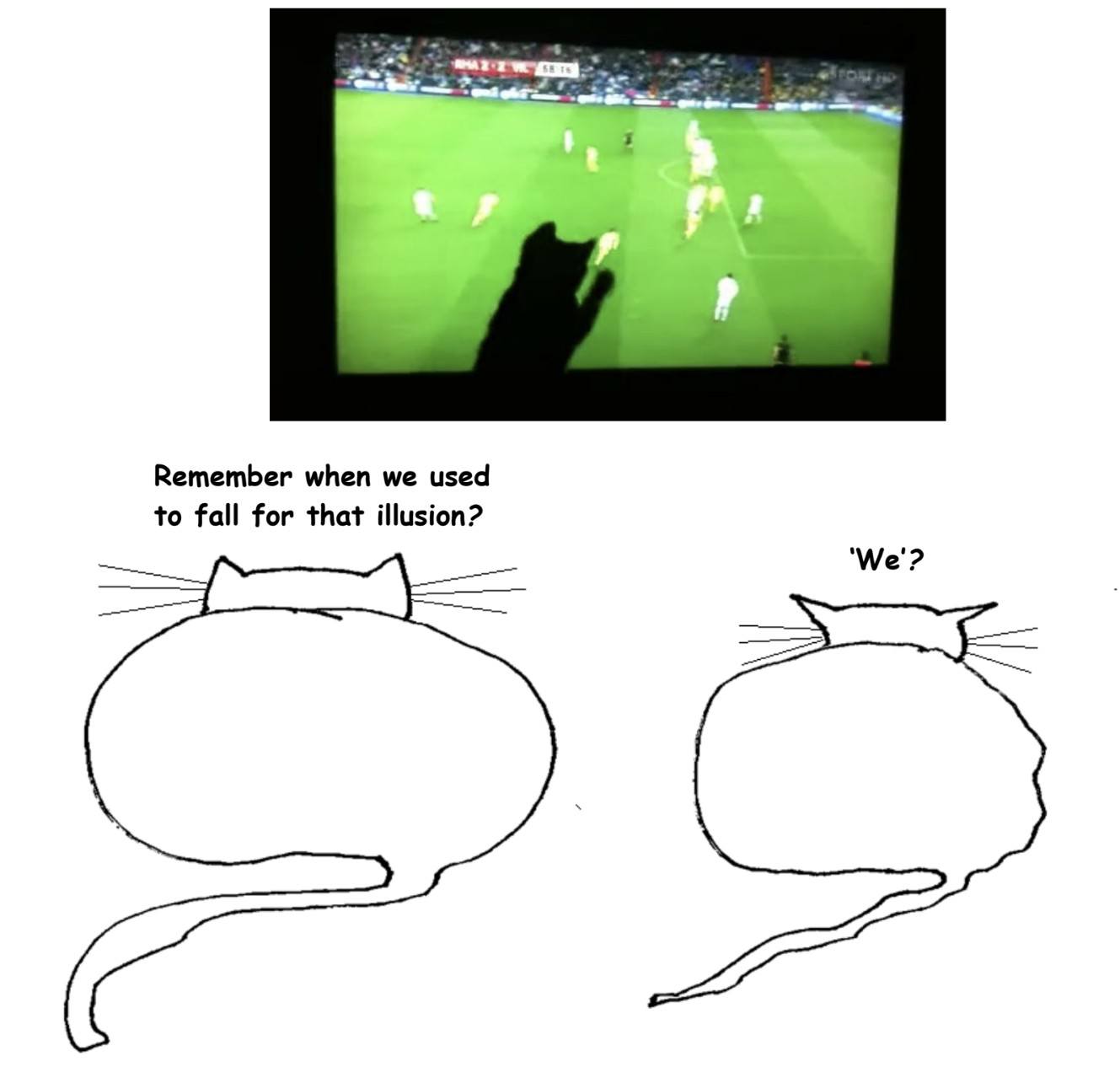
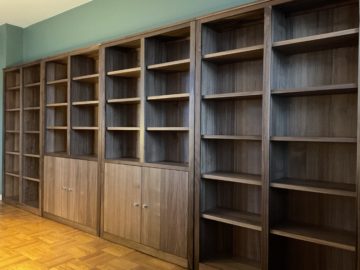 The word arrived from the furniture store. They have come! After five months of supply-chain suspended animation, our 15 feet of 72-inch-high bookcases are here. Bibliophiles everywhere (well, everywhere in my family) raised their voices in praise.

 There was a period in my life when I believed that all humans came from one man. This included his wife Eve. After that followed a period when I believed nothing and I thought that was enough.