by Ali Minai
 Recently, I asked the students in my class whether they had used ChatGPT, the artificially intelligent chatbot recently loosed upon the world by OpenAI. My question was motivated by a vague thought that I might ask them to use the system as a whimsical diversion within an assignment. Somewhat to my surprise, every student had used the system. Perhaps I should not have been surprised given the volume of chatter about ChatGPT on my social media feeds and my own obsessive “playing” with it for some time after being introduced to it. There is clearly something about this critter that has been lacking in all the vaunted AI systems before it. That something, of course, is how well it fits in with the human need to converse. Very few of us want to play chess or Go with AI; generating cute pictures from absurd prompts is interesting but only in a superficial way; and generating truly complex art with AI is still not something that a non-technical person can do easily. But everyone can engage in conversation with a responsive companion – a pocket friend with a seemingly endless supply of occasionally quite interesting things to say. For all that it lives out in the ether somewhere, it seems pretty human. And this, let it be stated at the outset, makes ChatGPT an immense achievement in the field of AI, and truly a harbinger of the future.
What is ChatGPT – Really?
As anyone who has played with ChatGPT knows, it is a system that answers queries and carries on conversations – hence the term chatbot. In this, it is similar to Alexa, Siri, et al. But it is interesting to look a little more closely at how it works because that is key to its strengths and weaknesses. Read more »



 Sughra Raza. Untitled. Rwanda, January 2023.



 If Joan Didion were alive today, she might write an essay about Prince Harry and include it in an updated version of Slouching Towards Bethlehem. She might write a passage like the one she wrote about Howard Hughes:




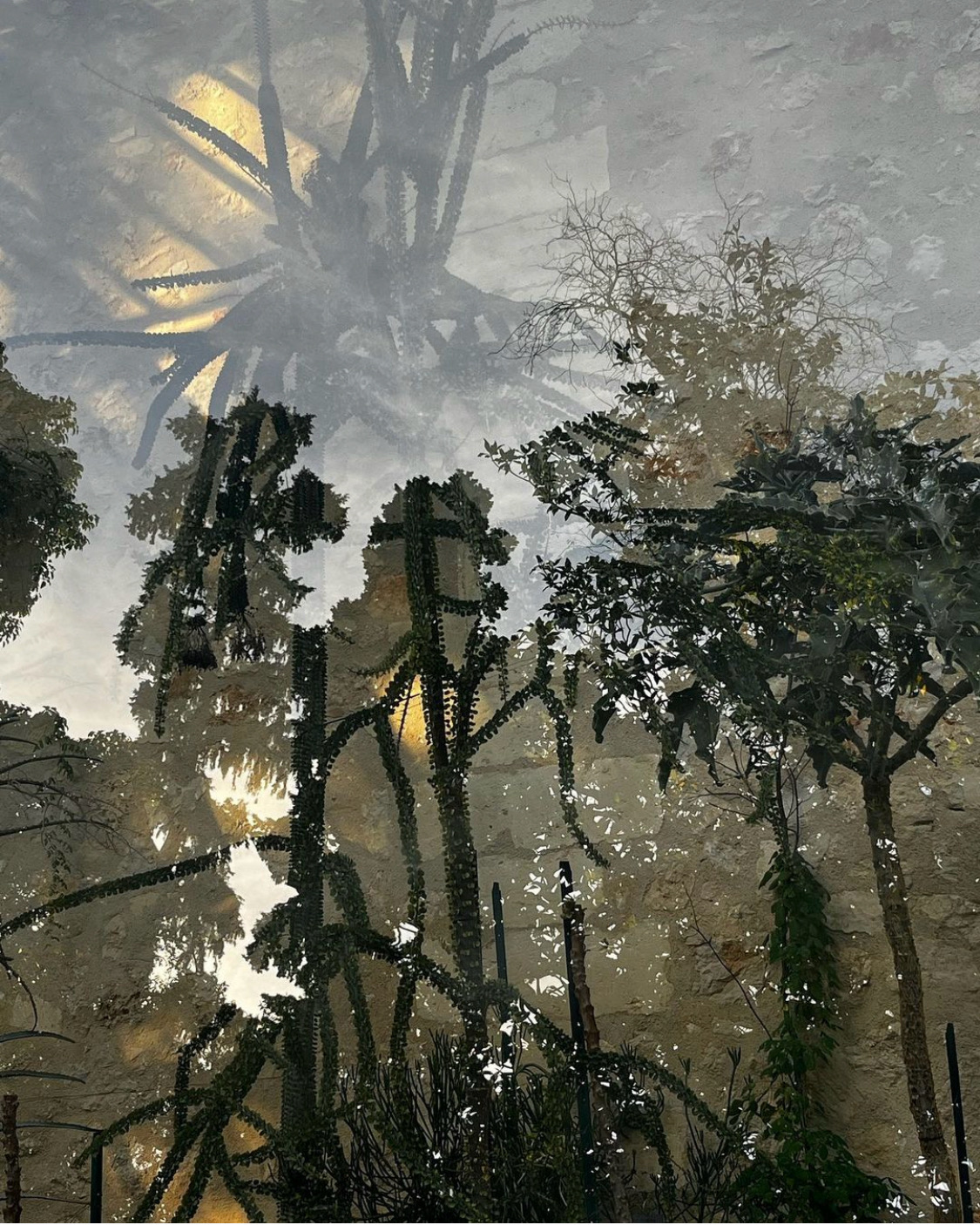 Ada Beams. Landscape Somewhere in France, 2022.