by Tim Sommers
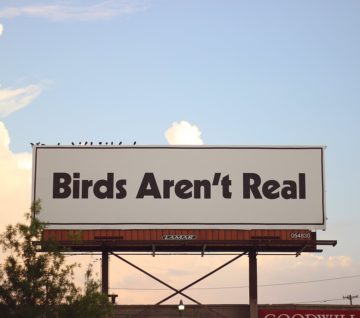
“Suddenly he woke up and there he was, solid and unmistakable Zhuang Zhou. But he didn’t know if he was Zhuang Zhou who had dreamt he was a butterfly, or a butterfly dreaming that he was Zhuang Zhou.” — Zhuangzi (translation by Burton Watson)
“We are almost certainly living in a computer simulation.” – Nick Bostrom*
Is the hypothesis that we live in a computer simulation an improvement, in some way, on the classic skeptical argument that life is but a dream? The dream argument seems to show that life could be a dream. Some claim that the simulation argument shows that not only is it possible that we live in a computer simulation, but that we almost certainly do live in a simulation.
I’ll argue that the simulation argument does not make it any more likely than the dream argument does that this is not reality. Furthermore, the simulation argument might even be worse (as a skeptical argument) in one way. If I am dreaming, there is not just another world, but, in some sense, another me, out there beyond the dream. But if I am a being that only exists in a simulation, it follows that there is no other me out there – and challenges the very idea that this scenario is really “skeptical,” in the same way, as the dream argument.
From Zhuangzi to Descartes to The Matrix, people have worried and wondered over global epistemological skeptical scenarios like these. Let’s call them GESSes.
They are global because they cover all knowledge from our senses, they are epistemological because they raise the question of what we can know, skeptical because they answer, ‘we can’t know anything,’ and scenarios in the sense that they offer a story about why our senses systemically fail to make contact with reality.
So, how do you know whether we are currently being deceived about everything around us by an evil demon or dreaming it all, as Descartes says, or if we live in some kind of simulation? Read more »

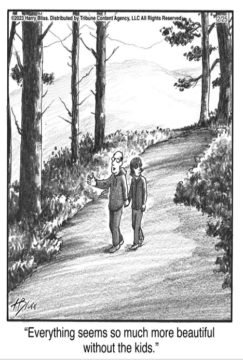

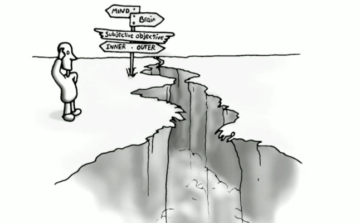 Freud got some things right, and this isn’t a post to slam him. But he understood the whole concept of the unconscious mind upside-down. It’s a lot like Aristotle’s science, with the cause and effect going in the wrong direction. It’s still pretty impressive how far they got as they laid the foundations for entirely new fields of study. I assimilated most of what’s below from neuropsychologist
  So Freud got the placement wrong. But even more important is which
  Ntozake Shange, right, with Janet League in her play “For Colored Girls Who Have Considered Suicide/When the Rainbow Is Enuf,” 1976. Bettmann/Getty Images
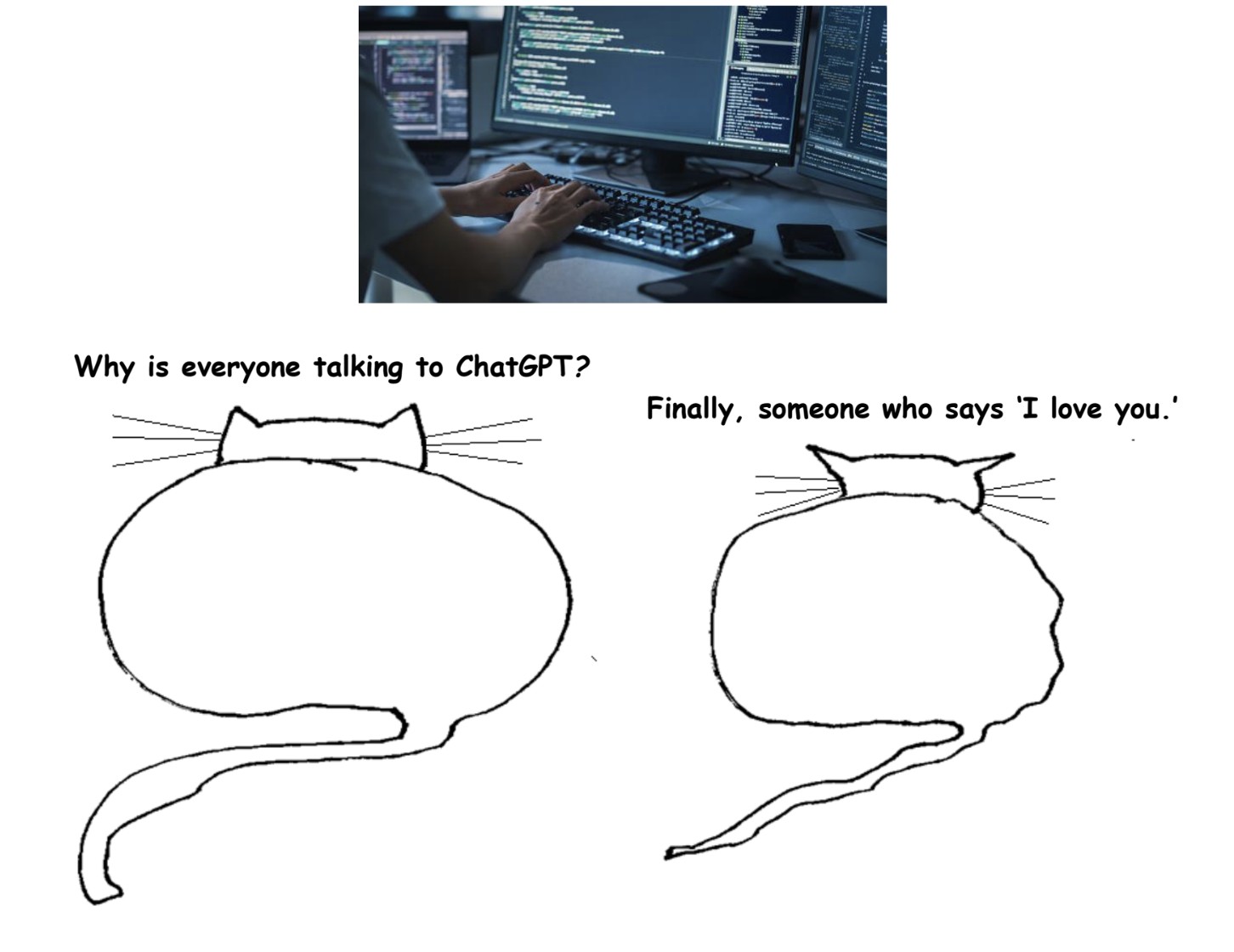

 obscure, often extraordinary abilities of animals and plants. Today, let’s look at a few more:
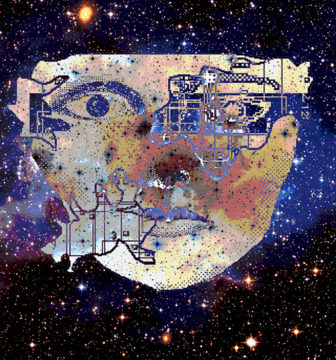 reading “GPT for Dummies” articles. Some were more useful than others, but none of them gave me what I wanted. So I started poking around in the technical literature. I picked up a thing or two, enough to issue a working paper,
  Google the phrase “is it time to care about the metaverse?” and there are a wealth of articles, mostly claiming that the answer is yes! Are they right?
  Like most people, I have been baffled, mystified, unimpressed and fascinated by
 1. In nature the act of listening is primarily a survival strategy. More intense than hearing, listening is a proactive tool, affording animals a skill with which to detect predators nearby (defense mechanism), but also for predators to detect the presence and location of prey (offense mechanism).
 Njideka Akunyili Crosby. Still You Bloom in This Land of No Gardens, 2021.
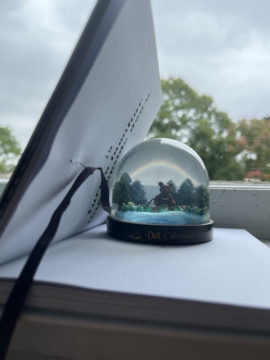 A metal bucket with a snowman on it; a plastic faux-neon Christmas tree; a letter from Alexandra; an unsent letter to Alexandra; a small statuette of a world traveler missing his little plastic map; a snow globe showcasing a large white skull, with black sand floating around it.