by Steve Gimbel and Gwydion Suilebhan
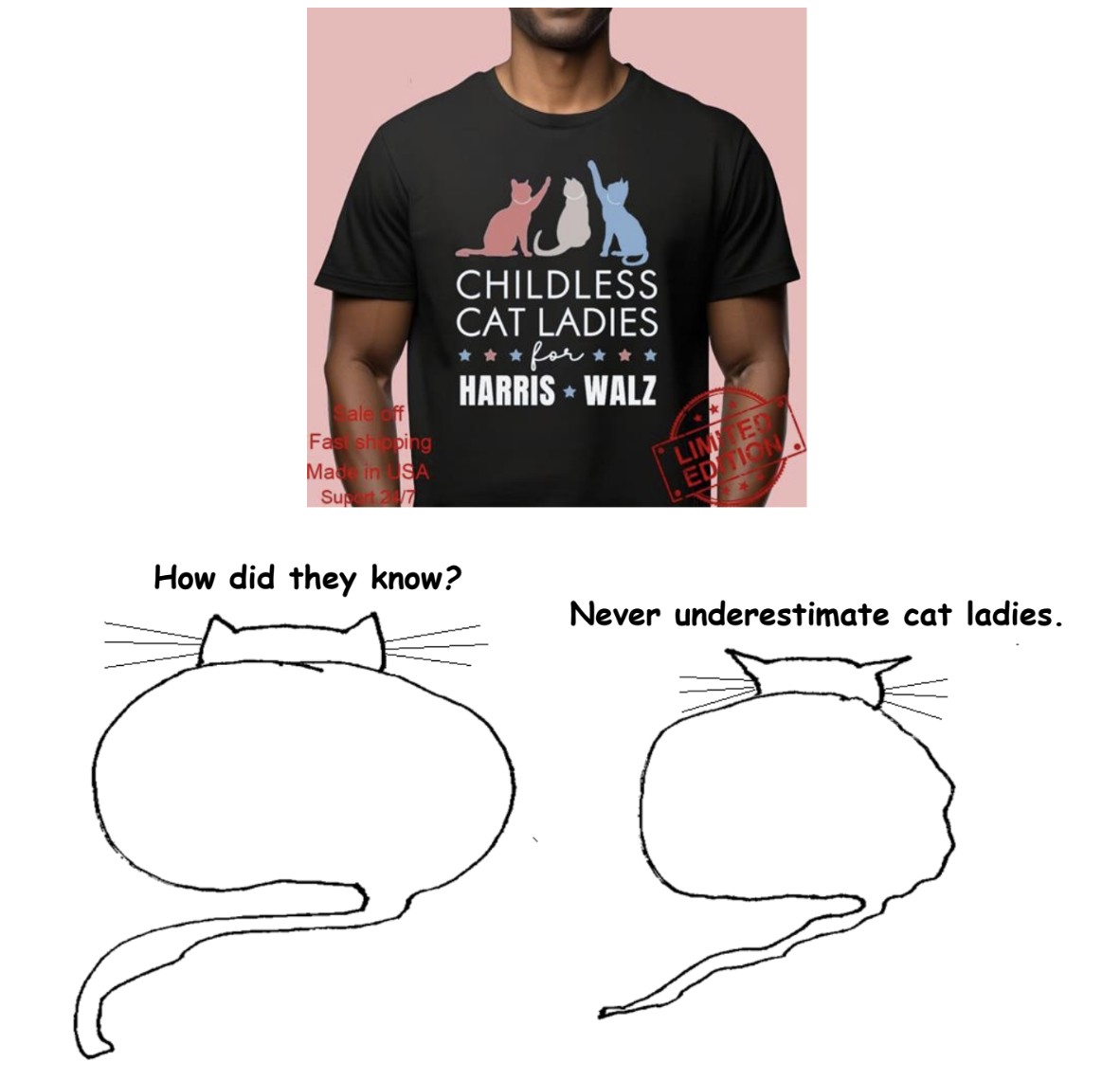
 Jokes about JD Vance’s romantic entanglements with living room furniture have been ubiquitous for about two weeks now. Professional comedians like Chelsea Handler and John Oliver have leaned into them. Friends on social media have traded quips about Vance’s “one nightstand” and his illegitimate “love seat.” Kamala Harris’ own PR team even joined in on the fun.
The parade of puns all stemmed from one satirical tweet that was never meant to be taken seriously or believed literally. The fact that Democrats nonetheless embraced the idea, couching their attacks on Vance in sofa jokes, signals a fascinating shift in psychology that merits a closer look.
When we say that something is true, we generally mean one of two different things. The first is that whatever claim we are making is factually accurate. “Kamala Harris attended Howard University” is true because she did, in fact, graduate from that institution.
The second is a bit more slippery. Think of the way in which a great work of fiction like Heart of Darkness or The Color Purple can express profound truths about the human condition. Novels aren’t factual, but what they reveal can still be true in a deep way. That’s what we call narrative truth, rather than factual truth.
19th-century philosopher William Whewell wrote that facts are like pearls, valuable in their own right, but that in order to make a necklace out of them, we need a string: a coherent story that connects all the facts together in order to give us a deeper understanding. The narrative that allows us to make sense of the world is as important as the facts it connects.
Democrats have long been obsessed with factuality, with the pearls. “Find the Falsehood” is practically an Olympic sport on the left. Steve Bannon knew this, and he encouraged Donald Trump to “flood the zone” by telling as many whoppers as he could, turning Democrats’ fact-checking obsession into something akin to the last level of Space Invaders, when there were so many alien ships you could barely shoot them all down.
The GOP, on the other hand, has built its entire platform out of “alternative facts” that are thoroughly derided by “the reality-based community.” In the last few days, Trump has tried to disallow live fact-checking during his interview at the National Association of Black Journalists’ annual convention, and he’s refusing to allow fact-checking during any future debate he might have with Kamala Harris. Republicans love narrative truth, accessorizing their campaign outfits with one faux pearl necklace after another. Read more »



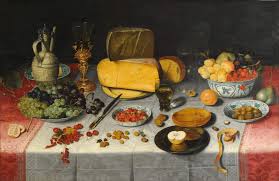 In an age where there is little agreement about anything, there is one assertion almost everyone agrees with—there is no disputing taste. If someone likes simple food instead of complex concoctions, who is to say that’s wrong. If I prefer bodice rippers to 19th Century Russian novels, you might say my tastes are crude and uncultured but hesitate to say one type of literary work is inherently better than the other. Aesthetic judgments are about subjective preference only. This is especially true of food and drink. Our preferences in this domain seem especially subjective. You can’t be wrong if you dislike chocolate ice cream can you?

 How do we regulate a revolutionary new technology with great potential for harm and good? A 380-year-old polemic provides guidance.
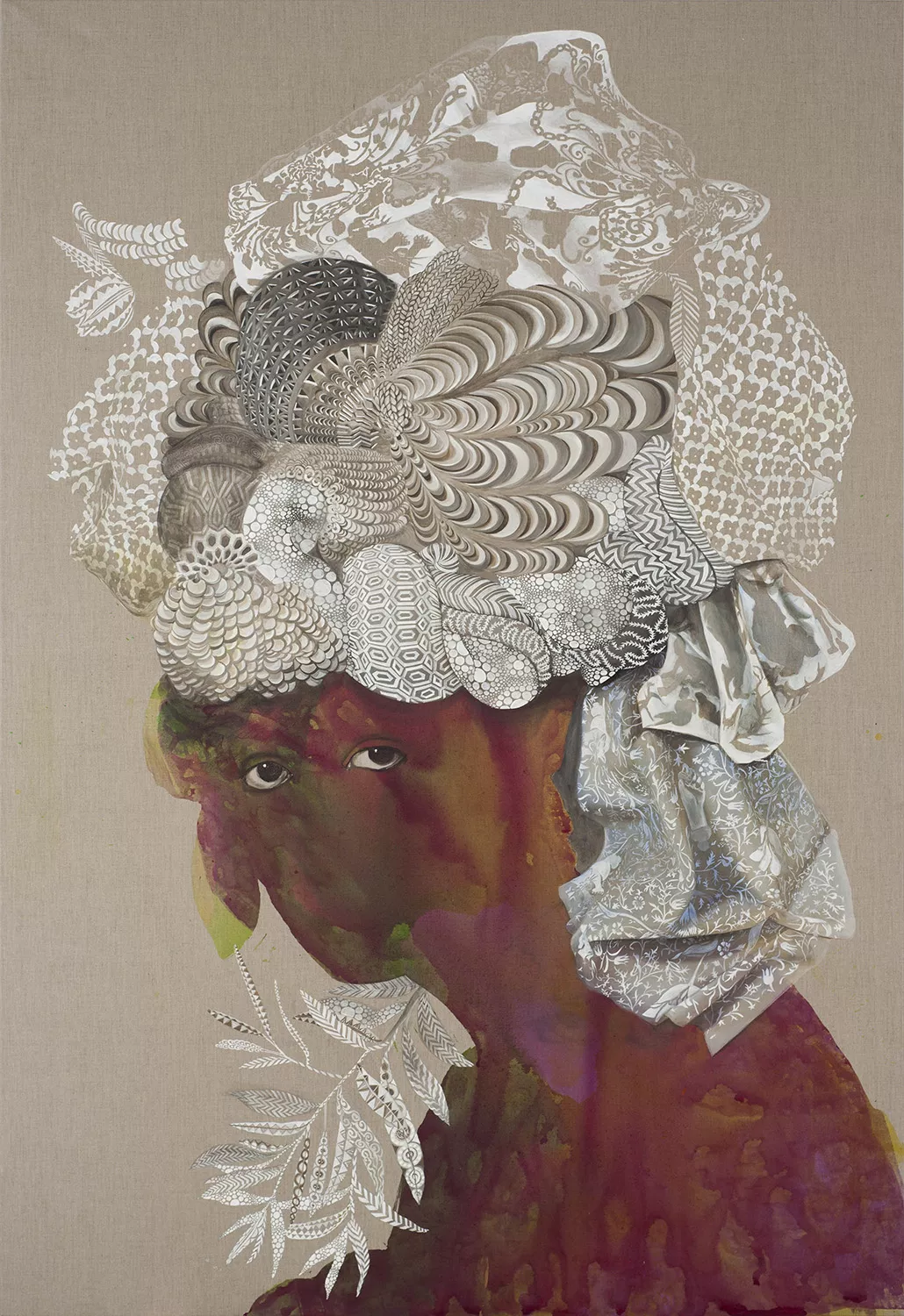 Firelei Báez. Sans-Souci, (This threshold between a dematerialized and a historicized body), 2015.

 I take the row covers off of two forty-foot rows of beans (three varieties) as the plants have become so big so fast in the ungodly heat they are pressing against the cloth. Afterwards, in the early evening, I let the chickens out of their sweltering little house to run free for a couple of hours. I will watch them to see if they bother the plants. The birds might peck at and scratch up the bean plants, but these plants are so large the birds should be indifferent to them. The experiment is a success: The plants bask in full sunlight while the birds rummage for grubs around them. I decide to leave the row covers off for now and will recover them at night to deter the deer. One’s smallness is manifested in gardening, as the gardener is a single organism set against myriads. It is wise to tend to one’s insignificance during these times. Come what may, no one will care much about those who stay at home husbanding rows of Maxibel haricots.