Dr. Seema A. Khan is Professor of Surgery in the Feinberg School of Medicine at Northwestern University, and the Bluhm Family Professor of Cancer Research. She is the Co-leader of the Women’s Cancer Research Program at the Robert H. Lurie Comprehensive Cancer Center. Her research focuses on applying biomarker knowledge to improve breast cancer risk stratification and develop preventive interventions for high risk women. Current studies include an examination of the effects of progesterone antagonists in women with breast cancer, and a study of breast cancer risk biomarkers in benign breast biopsy samples. In addition, Dr. Khan’s group is working on the development of transdermal delivery of drugs to the breast. She chairs a Phase III trial for the Eastern Cooperative Oncology Group which will investigate the role of local therapy for the primary tumor in women presenting with Stage IV breast cancer. Recently completed research includes a case/control study of hormone levels in nipple aspirate fluid.
Azra Raza, author of the forthcoming book The First Cell: And the Human Costs of Pursuing Cancer to the Last, oncologist and professor of medicine at Columbia University, and 3QD editor, decided to speak to more than 20 leading cancer investigators and ask each of them the same five questions listed below. She videotaped the interviews and over the next months we will be posting them here one at a time each Monday. Please keep in mind that Azra and the rest of us at 3QD neither endorse nor oppose any of the answers given by the researchers as part of this project. Their views are their own. One can browse all previous interviews here.
1. We were treating acute myeloid leukemia (AML) with 7+3 (7 days of the drug cytosine arabinoside and 3 days of daunomycin) in 1977. We are still doing the same in 2019. What is the best way forward to change it by 2028?
2. There are 3.5 million papers on cancer, 135,000 in 2017 alone. There is a staggering disconnect between great scientific insights and translation to improved therapy. What are we doing wrong?
3. The fact that children respond to the same treatment better than adults seems to suggest that the cancer biology is different and also that the host is different. Since most cancers increase with age, even having good therapy may not matter as the host is decrepit. Solution?
4. You have great knowledge and experience in the field. If you were given limitless resources to plan a cure for cancer, what will you do?
5. Offering patients with advanced stage non-curable cancer, palliative but toxic treatments is a service or disservice in the current therapeutic landscape?
 A degree in engineering from India, grad school at an American university, and a job at an American corporation: call it the Indian-engineer version of the American dream. Like hundreds of thousands of Indian immigrants, Ved, the 36-year old protagonist of

 Academic dishonesty is a widespread problem in colleges in many countries, and it is getting worse. One particular form of cheating has become especially common in the age of the internet: students buying custom-written essays–a.k.a. “contract cheating.” A recent study estimated that over 15% of college students had paid someone else to do their work for them;
 A while ago findingtimetowrite wrote a

 It’s fashionable to criticize wine critics for a variety of sins: they’re biased, their scores don’t mean anything, and their jargon is unintelligible according to the critics of critics. Shouldn’t we just drink what we like? Who cares what critics think? In fact, whether the object is literature, painting, film, music, or wine, criticism is important for establishing evaluative standards and maintaining a dialogue about what is worth experiencing and why. The following is an account of how wine criticism aids wine appreciation by way of providing an account of wine appreciation.

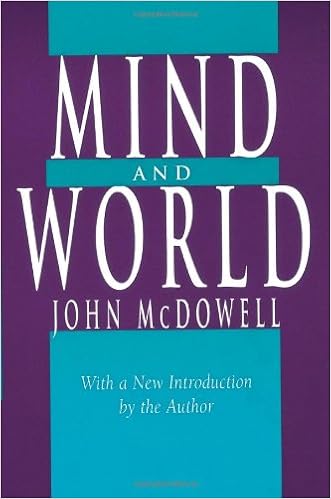 This year marks the 25th anniversary of the publication of
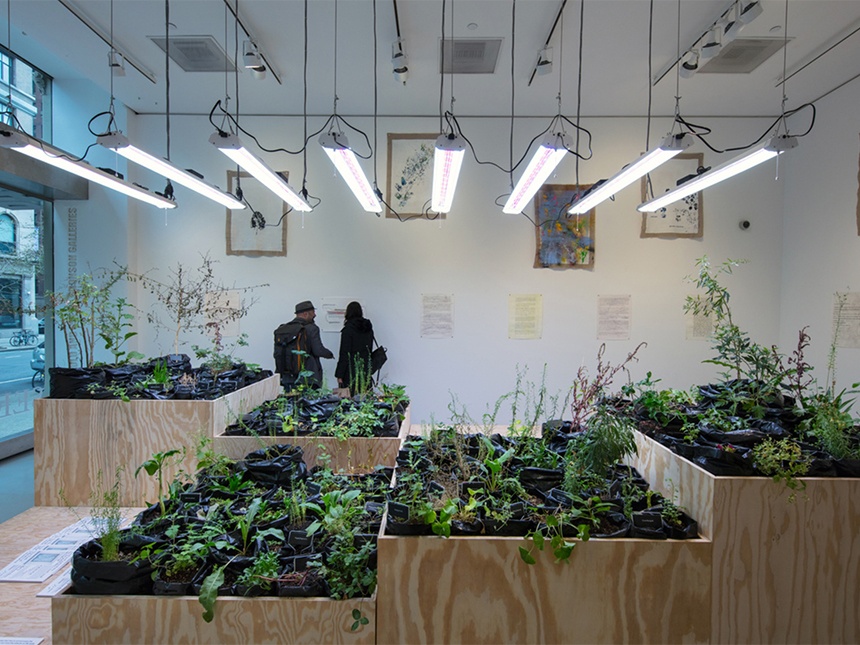
 An intransigent form of identity politics in combination with neoliberal ideology has left the modern university, if not in ruins, then lacking imagination and cultural capital. It has become a place of sequestered spaces—symbolic and real—where too many students and faculty fear discussing issues deemed to be controversial, inappropriate, or “political.” Across the social sciences/humanities, politics, religion, sex, sexual orientation, climate change, science, gender, economic inequality, poverty, reproductive rights/regulations, homelessness, race, Trump, democracy, capitalism, patriarchy, anti-Semitism, Israel, terrorism, gun violence, sexual violence, and white supremacy are just some of the topics that today make students and even some teachers uncomfortable. At best maybe these topics are addressed by creating some kind of false equivalent in an effort to feign neutrality and keep people comfortable. Discomfort in the classroom from ignorance, tension, power imbalances, conflict, disagreement, or any degree of affective and cognitive dissonance is no longer tolerated. While it used to be considered a fundamental part of the critical learning experience, discomfort of this sort now signals a flaw in pedagogy and/or the curriculum and a betrayal of trust. Learning should always feel good, be nurturing (maternalistic), and, above all, fun. If it’s not then there is hell to pay.


 It doesn’t take much. A small piece of gravel, spit out by a truck’s wheel, ricochets off the windshield, taking a tiny chip of glass with it. A microscopic divot and discreet little lines, like crow’s feet at the corner of an eye. Barely noticed for months, the accordion of heat and cold compress and expand, adding and relieving pressure. Then finally, the scratches spread out across the glass like an avant garde spider web.