by Shawn Crawford
Make it one for my baby, and one more for the road—Arlen/Mercer

On the 4th of July, the kids start acting jakey once the sun approaches the tree line. It’s maybe, kinda, sorta, starting to get dark, so shouldn’t we break out the fireworks? No. But soon you’ll relent and allow some preliminaries, like rockets that eject a little plastic soldier attached to a parachute, which are fun to watch, and the kids chase them around the golf course across the street and try to catch them before they reach the ground.
I sit outside at my uncle’s house and watch everyone, enjoying the cool breeze that has no business showing up on a July day in Kansas. My parents have decided to stay in Colorado all summer, to escape the heat that hasn’t shown up yet, so we’re next door at my uncle’s. My father and his brother have lived adjacent or across the street from each other for well over half their adult lives.
All the cousins have made the trip, including S. and her husband H., missionaries in the Philippines and home on furlough. I sit and listen to their very earnest talk about The Spirit and The Heart and Salvation and going out into The Fields. None of them would claim the title of Baptist anymore, the religion of my youth. They have all joined the ranks of Mega-Church Evangelicals, proclaiming their triumph over petty denominations for a purer form of Christianity. One that skews very white, very affluent, but includes a coffee shop in the Gathering Space of the church-cum-warehouse to demonstrate their welcoming nature and hipness.
In a time not that long ago, I would have joined right in, enjoying the discussion and the parsing of scripture, and debating the theology of even the most mundane of choices. But now it sets my nerves on edge and makes me irritable, especially with the Christian radio station blaring throughout the house and on the patio, every song reaching the same easy solution. Finally, I just tune it all out. Read more »
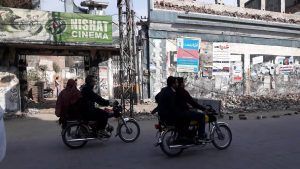 In the 1960s, in the sleepy little city of Sialkot, almost in no-man’s land between India and Pakistan and of little significance except for its large cantonment and its factories of surgical instruments and sports goods, there were two cinema houses, all within a mile of our house, No. 3 Kutchery Road. Well three to be exact, the third being an improvisation involving two tree trunks with a white sheet slung between them at the Services club and only on Saturday nights.
 Would I rather go deaf or blind? Every once in a while, I come back to this question in some version or another. Say I had to choose which sense I’d lose in my old age, which would it be? I always give myself, unequivocally, the same answer: I’d rather go blind. I’d rather my world go darker than quieter. I imagine it as a choice between seeing the world and communicating with it; in this hypothetical, communication with the world is all-encompassing, its loss more devastating than the loss of sight. It is perhaps clear from the mere fact that I pose this question that I do not live with a disability involving the senses. Individuals who are vision- or hearing-impaired would have an entirely different take on this question and on the issues I raise below, but hopefully what I write here will go beyond stating my own prejudices.
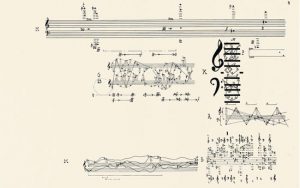 The German philosopher
  The idea of ‘good corporate citizenship’ has become popular recently among business ethicists and corporate leaders. You may have noticed its appearance on corporate websites and CEO speeches. But what does it mean and does it matter? Is it any more than a new species of public relations flimflam to set beside terms like ‘corporate social responsibility’ and the ‘triple bottom line’? Is it just a metaphor?
 Learning Objectives. Measurable Outcomes. These are among the buzziest of buzz words in current debates about education. And that discordant groaning noise you can hear around many academic departments is the sound of recalcitrant faculty, following orders from on high, unenthusiastically inserting learning objectives (henceforth LOs) and measurable outcomes (hereafter MOs) into already bloated syllabi or program assessment instruments.

 Although frequently lampooned as over-the-top, there is a history of describing wines as if they expressed personality traits or emotions, despite the fact that wine is not a psychological agent and could not literally have these characteristics—wines are described as aggressive, sensual, fierce, languorous, angry, dignified, brooding, joyful, bombastic, tense or calm, etc. Is there a foundation to these descriptions or are they just arbitrary flights of fancy?
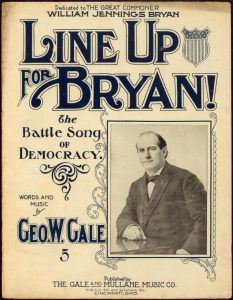 He flew so fast and so close to the sun that it took an entire lifetime to fall back to Earth.
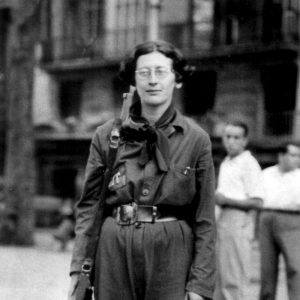 I recently read Simone Weil for the first time after having come across numerous references to her over the past year. I broke down and bought Waiting for God despite the intimidating and frankly confusing title. I was not disappointed. One of her essays in particular, “Reflections on the Right Use of School Studies in View of the Love of God,” has opened and focused my thinking on education and learning in general, whether for children or later in life for the rest of us.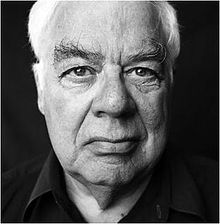

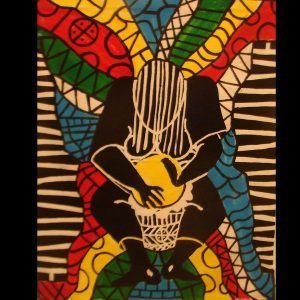
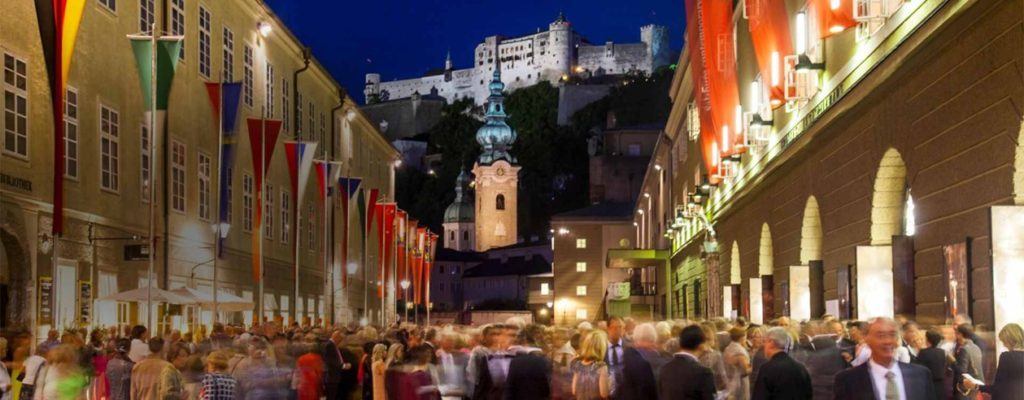
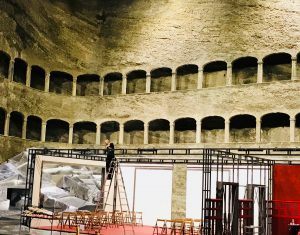 Opera as resistance? Music as re-enchantment?
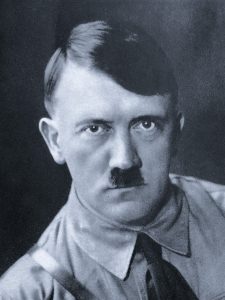 When it comes to evil, nobody beats Hitler. He committed the biggest mass murder of innocent humans in all of history.