
by Shawn Crawford
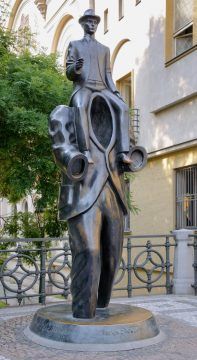
Like most Kafka stories, “A Hunger Artist” inserts you into a bewildering situation, appears to offer you some solace and meaning, and then bewilders you all over again.
The Hunger Artist is just that: a man that starves himself for a living. But unlike Gregor Samsa awaking to find himself an enormous insect, this story echoes Kafka’s actual time and place (Europe from 1883-1924). Hunger artists traveled the continent, creating a craze like flagpole sitting or MMA fighting. Generally confined, guards watched over the artist to ensure he did not eat. Crowds would gather to take stock of an artist’s slow emaciation; postcards were sold with photos of the artist at his most gaunt state.
The hero of our story resides in a cage filled with straw. Children gather, clinging to each other in terror and wonder. The Artist’s handler, the Impresario, determines that forty days of fasting produces the largest crowds and peak interest before attention begins to wane. On the final day, the Artist emerges from his cage to great acclaim, angry that he cannot pursue his craft for even longer. Simply the delirium of hunger, the Impresario assures the crowd.
As the fad begins to decline, the Artist finds himself relegated to a circus, living in a cage surrounded by the show’s menagerie. But while he laments the lack of attention, he can now fast for as long as likes. He can take his art to the ultimate extreme. Spoiler alert: the artist starves himself to death. It’s Kafka after all. Read more »
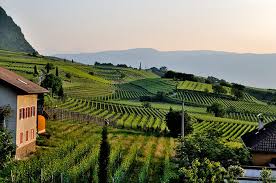 The wine world thrives on variation. Wine grapes are notoriously sensitive to differences in climate, weather and soil. If care is taken to plant grapes in the right locations and preserve those differences, each region, each vintage, and indeed each vineyard can produce differences that wine lovers crave. If the thousands of bottles on wine shop shelves all taste the same, there is no justification for the vast number of brands and their price differentials. Yet the modern wine world is built on processes that can dampen variation and increase homogeneity. If these processes were to gain power and prominence the culture of wine would be under threat. The wine world is a battleground in which forces that promote homogeneity compete with forces that encourage variation with the aesthetics of wine as the stakes. In order to understand the nature of the threat homogeneity poses to the wine world and the reasons why thus far we’ve avoided the worst consequences of that threat we need to understand these forces. I will be telling this story from the perspective of the U.S. although the themes will resonate within wine regions throughout much of the world.
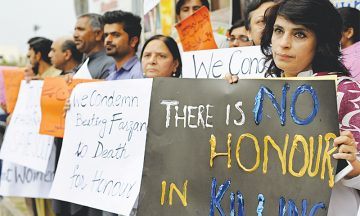 In May 2014, a young man beat his twenty-year-old sister, Farzana, to death by hitting her head with a brick. He did this in broad daylight just outside the High Court building in Lahore, the cultural, artistic and academic capital of Pakistan. He did it as local policemen and passersby looked on, lawyers in their black flowing robes went in and out of their offices and barely fifty yards away, inside the building, the bewigged and begowned Chief Justice sat with his hand on the polished gavel.


 You shouldn’t curse. People will take you less seriously. Cursing also reveals a certain laziness on your part, suggesting that you can’t be bothered to come up with more descriptive language. In the end, when you curse, you short change both yourself and your audience. Instead, take the time to use the language more fully, more carefully, and more artfully. In so doing, your message will be clearer, more forceful, and better received.


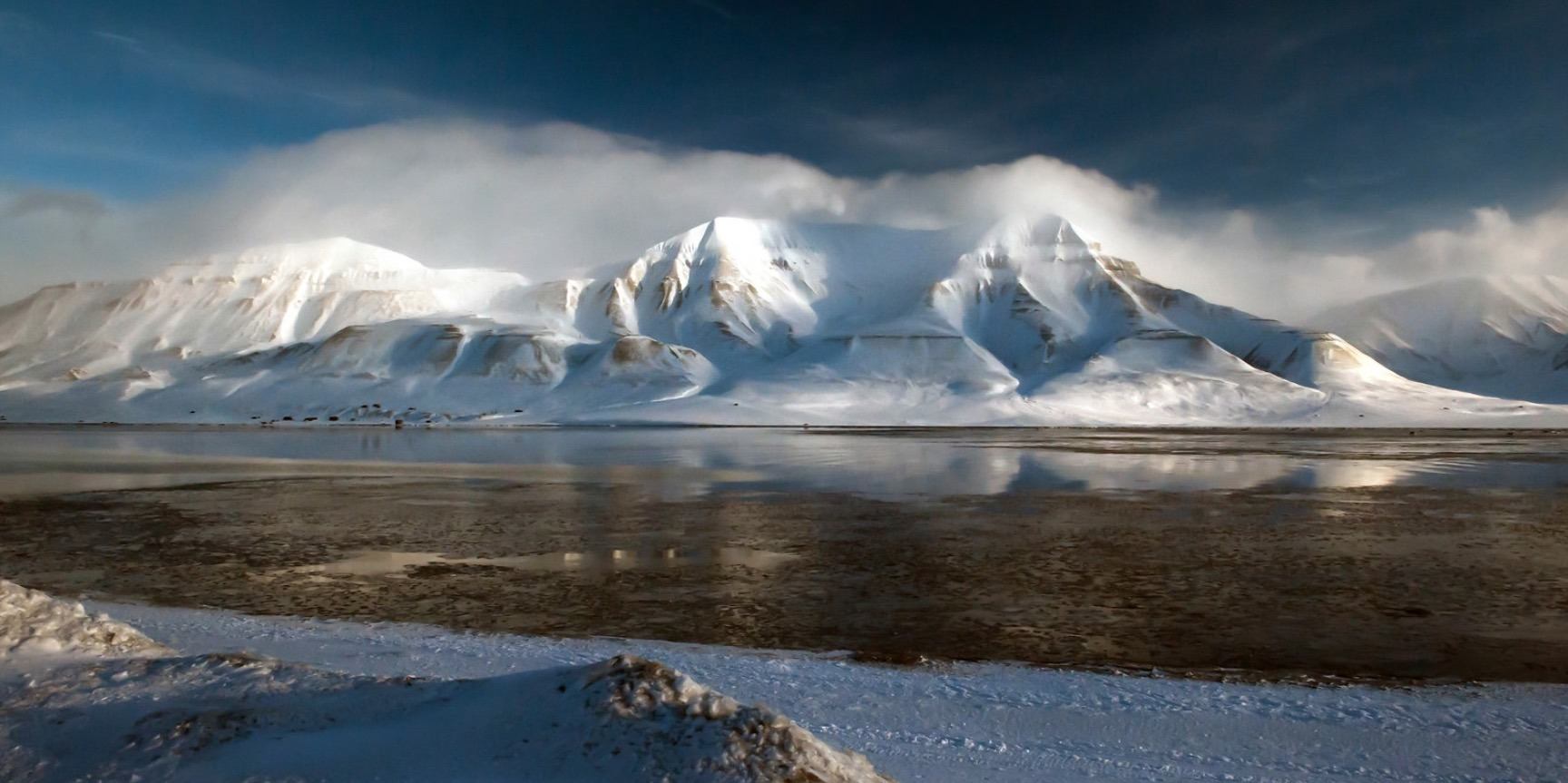 This is Longyearbyen, Svalbard, Norway, eight hundred miles from the North Pole. Our destination, across the island, is a Russian settlement called Barentsburg.
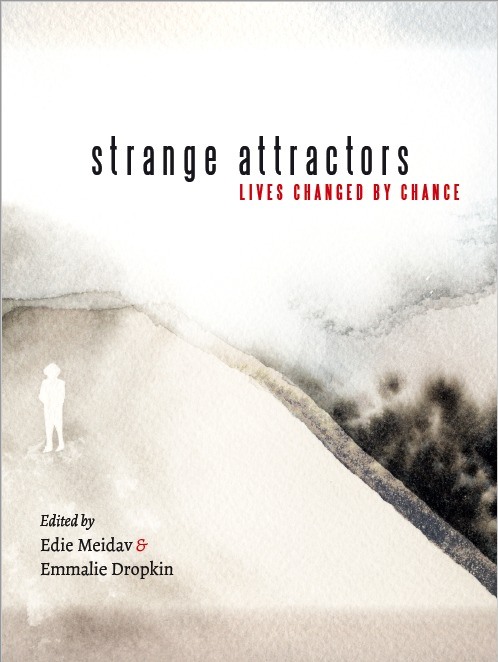 A.S.: Liesl, I love the part in your story where a pack of kids is playing “Murder in the Dark” and the young narrator’s crush, who plays the part of the killer, draws near her in the dark yard: “I didn’t try to back away, I thought maybe he was going to kiss me, but then he killed me which was so predictable.”
 Now in this damp, stiff swollen fingers, mine, once slender, of gossamer touch, which pierced skin with steel, silk, molded spheres, to be kicked by heroes, turned warriors, turned champions, turned angels in distant lands, on green fields and roaring theaters of fierce contest of fury and cheer. Yet I am not there, at the game, but I am present, in every single game. They don’t know do they, that without me, the game would not be, that without me, they, howling with joy, howling in expectant yowls and cheers awash in victorious and defeated tears, and beer, this ritualistic collective catharsis, all of this, without me, would not happen, would not be. This story. Where am I in it? What is history but unspeakable violence, erasure and invisibility, spat and polished into and put a sheen upon, to create a mirror for those who look. Yes, a mirror, after all that effort to put a spin on it, we can’t get away can we from ourselves? Won’t we all in trying to cross drown in our collective grief? It is I, bobbing in steel on these shores, not allowed in, who’s fingers bloodied by a thousand pierces, who’s eyes blinded by constant attention who brings them this. These intricate delicate, fine, exquisite fingers, this attentive keen sight, this laboring, I bring them this, the very thing they claim as their soul a distilled meaning and morphing to something sublime. I who they bar from entering. I, who has been left un-reading, unread, now thirsty, hungry, suffocating. I who makes all of this. I who am their constant dread. Left for dead. But I am here, here, off shore, there in that field, in that theater, amidst the squeals of joy. No, the game does not happen without me. And now, hidden here, bobbing, stealing away in steel, floating, lurching on waves upon waves, broken away from that bondage of needles and stretching skin for a perfect sphere for kicking, I am here. A prisoner of contained fates. The Adriatic laps outside: the smell of salt, octopus, fir, citrus and jasmine presents itself in the way of salvation in the way of pain, unforgettable almost impossible to conjure in language, in memory, how to give words to the scent of lavender and black pine and Crni bor. Or those left behind. Equally uncontained perfumed keys unlocking the mind. No, the game doesn’t happen without the likes of me. But I am suffocating now, I am contained here in a coffin of steel, upon the sea, unwanted, unwelcomed, unseen, listening to the cheering roar of a crowd ecstatic as some adored gladiator whips it into net—that sphere of skin I have sewn. The game, I cannot enter, does not happen without me.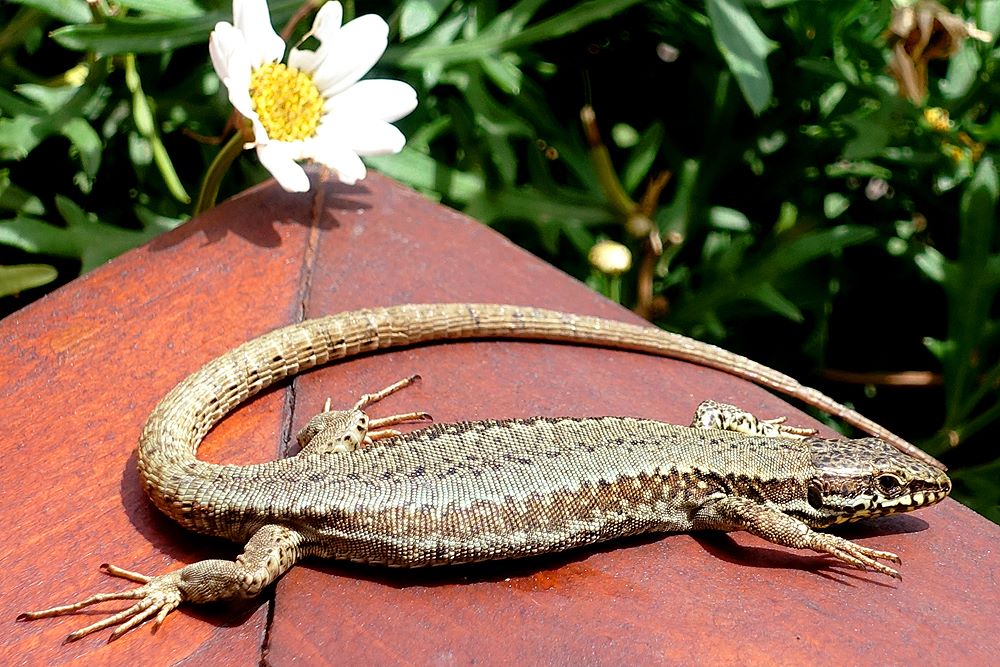
 community, which he found, and a decade later founded the Second Vermont Republic, which advocated Vermont secession from the USA to become an independent state, which it had been from 1777 to 1791. Time magazine named the Second Vermont Republic as one of the “Top 10 Aspiring Nations” in the world as recently as 2011.
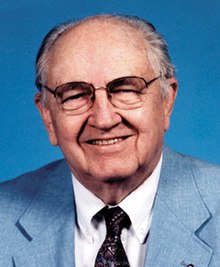
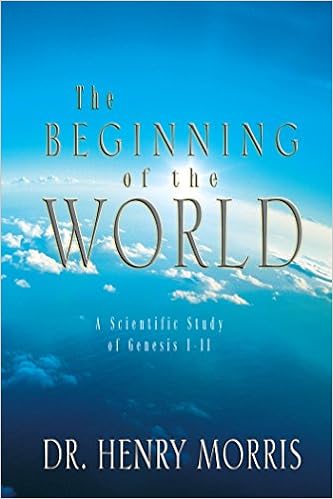 All this is spelt out in Morris’s 1977 book, The Beginning of the World, most recently reprinted in 2005 (in Morris’s lifetime, and presumably with his approval), and available from Amazon as a paperback or on Kindle.